Why Strata Financials Are the Most Overlooked Part of Condo Due Diligence
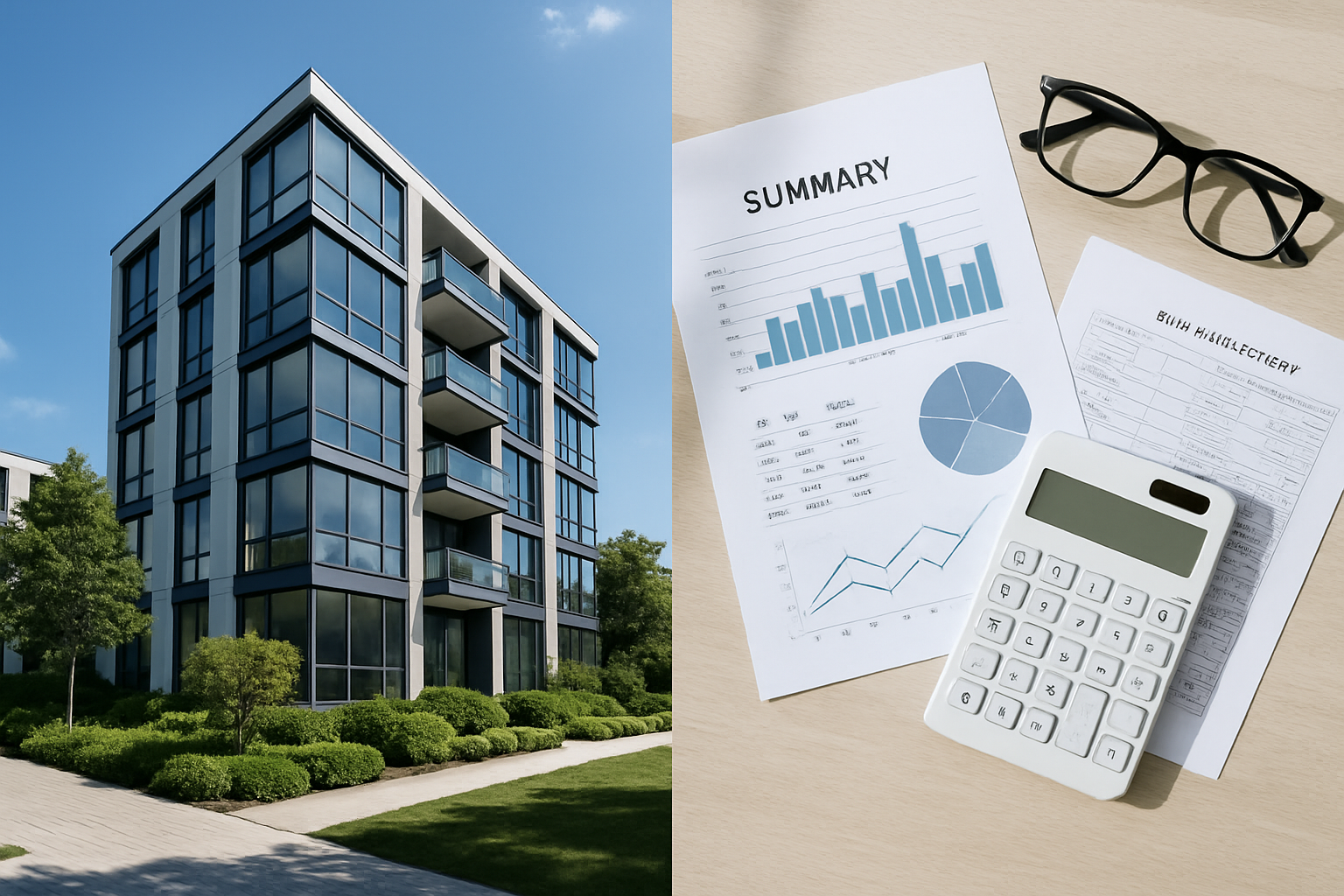
When Canadian buyers receive a strata package, most flip straight to the meeting minutes looking for drama, or to the bylaws checking for pet policies. But the financial statements — balance sheets, income statements, and reserve fund summaries — are often the most important documents in the entire package. In 2026, with condo prices still elevated across Vancouver, Toronto, and Calgary, understanding the financial health of a strata corporation before you buy is arguably more important than any other part of your due diligence.
Strata financial statements tell you whether the building is living within its means, whether it's saving adequately for future repairs, and whether current owners have been keeping up with their obligations. A building with poor finances will inevitably pass those costs on to you — through higher monthly fees, special levies, or deferred maintenance that reduces your property value over time. This guide will walk you through the key components every buyer should review.
The Balance Sheet: Assets, Liabilities, and What They Mean for You
The strata balance sheet provides a snapshot of the corporation's financial position at the end of a fiscal year. On the asset side, the most important line items are the operating fund balance and the contingency reserve fund (CRF) balance. The operating fund covers day-to-day expenses like landscaping, utilities, and minor repairs. The CRF is set aside for long-term capital expenditures — roof replacements, elevator upgrades, plumbing overhauls, and similar major projects. A healthy CRF balance relative to the building's recommended funding level (found in the depreciation report) is one of the strongest positive indicators in any strata package.
On the liability side, watch for any outstanding loans or lines of credit taken out by the strata corporation. While borrowing is sometimes necessary after an emergency repair, a strata carrying long-term debt signals that the CRF was insufficient when a crisis hit. Also look for accounts payable that seem unusually high — this can indicate the strata is slow-paying its contractors or vendors, which is a governance red flag.
Income Statement: Are Strata Fees Covering the Building's Real Costs?
The income statement — also called the statement of operations — shows the strata's revenues (primarily strata fee contributions) versus its actual operating expenses over the fiscal year. The first question to ask is whether the strata ran a surplus or a deficit for the year. A small surplus is healthy and expected. A deficit means the strata spent more than it collected and had to dip into reserves or carry a shortfall — both of which are warning signs.
Look closely at where money was spent. Unusually high spending on repairs and maintenance in recent years may indicate the building is aging and experiencing more frequent issues. Compare the budgeted amounts against actual expenditures for major line items like insurance, utilities, and maintenance. Large variances — especially when actual costs far exceeded budget — suggest the strata council may have poor financial planning or encountered unexpected emergencies. In 2026, insurance costs for BC and Ontario condos have risen significantly, so buildings that haven't adjusted their budgets accordingly may be dangerously underfunded.
The Reserve Fund Study: The Most Important Number in the Entire Package
In BC, this is called the depreciation report. In Ontario, it's the reserve fund study. Regardless of the name, this document is a professional engineering assessment of the building's major components — their current condition, expected remaining lifespan, and estimated replacement cost. The study then calculates how much money the strata should be setting aside each year to fund those future replacements without resorting to special levies.
The key metric to evaluate is the percent funded ratio — how much money is actually in the reserve fund compared to how much should be there according to the study. A ratio above 70% is generally considered healthy. Below 50% is a warning zone, and anything under 30% should trigger serious concern or aggressive negotiation. In 2026, many Canadian condo buildings built in the 1990s and early 2000s are entering expensive repair cycles — envelope replacements, mechanical upgrades, and elevator modernizations — making a fully funded reserve absolutely critical for buyers to verify before purchasing.
Using Searchstrata.com to Analyze Strata Financials in Minutes
Even for financially savvy buyers, deciphering years of strata financial statements during a five-day subject removal period is a genuine challenge. Documents are often scanned PDFs, tables lack standardization, and key figures are spread across multiple reports. Searchstrata.com was designed specifically for this problem. In 2026, the platform uses advanced AI to parse Canadian strata financial documents — pulling out reserve fund balances, year-over-year expense trends, levy histories, and funding ratios — and presenting them as clear, actionable insights.
For realtors working with multiple buyer clients simultaneously, Searchstrata becomes an essential tool for delivering faster, more thorough due diligence without adding hours of manual review time. For buyers, it provides the financial clarity needed to negotiate price reductions, request repairs, or walk away from a building that poses unacceptable financial risk. Upload your strata package, get your analysis, and buy with confidence.
Conclusion
Strata financial statements are not just accounting documents — they are a window into the long-term financial health of the community you're about to join as a co-owner. In 2026, with construction costs and insurance premiums at historic highs, buying into a financially underprepared strata corporation is a risk no buyer should take. By understanding the balance sheet, income statement, and reserve fund study, you gain the power to make truly informed decisions. Ready to see what's really inside your strata package? Try Searchstrata.com free today and get your AI-powered financial analysis in minutes.