The SearchStrata blog
Your guide to navigating strata document analysis, condo due diligence, and the Canadian real estate market. Learn how to spot red flags, understand financials, and make confident buying decisions.
These articles are general information about BC strata and home-buying, current as of each post's publication date — not legal, financial, or tax advice. Verify current rules and consult a qualified professional before acting.

How to Read the Neighbourhood Around a BC Strata: Understanding Public Data Signals
What surrounds a condo or townhouse in BC can make as much difference as the building itself. Here’s how home buyers and agents can use public data to see the real story on schools, transit, hazards, amenities, and neighbourhood change.
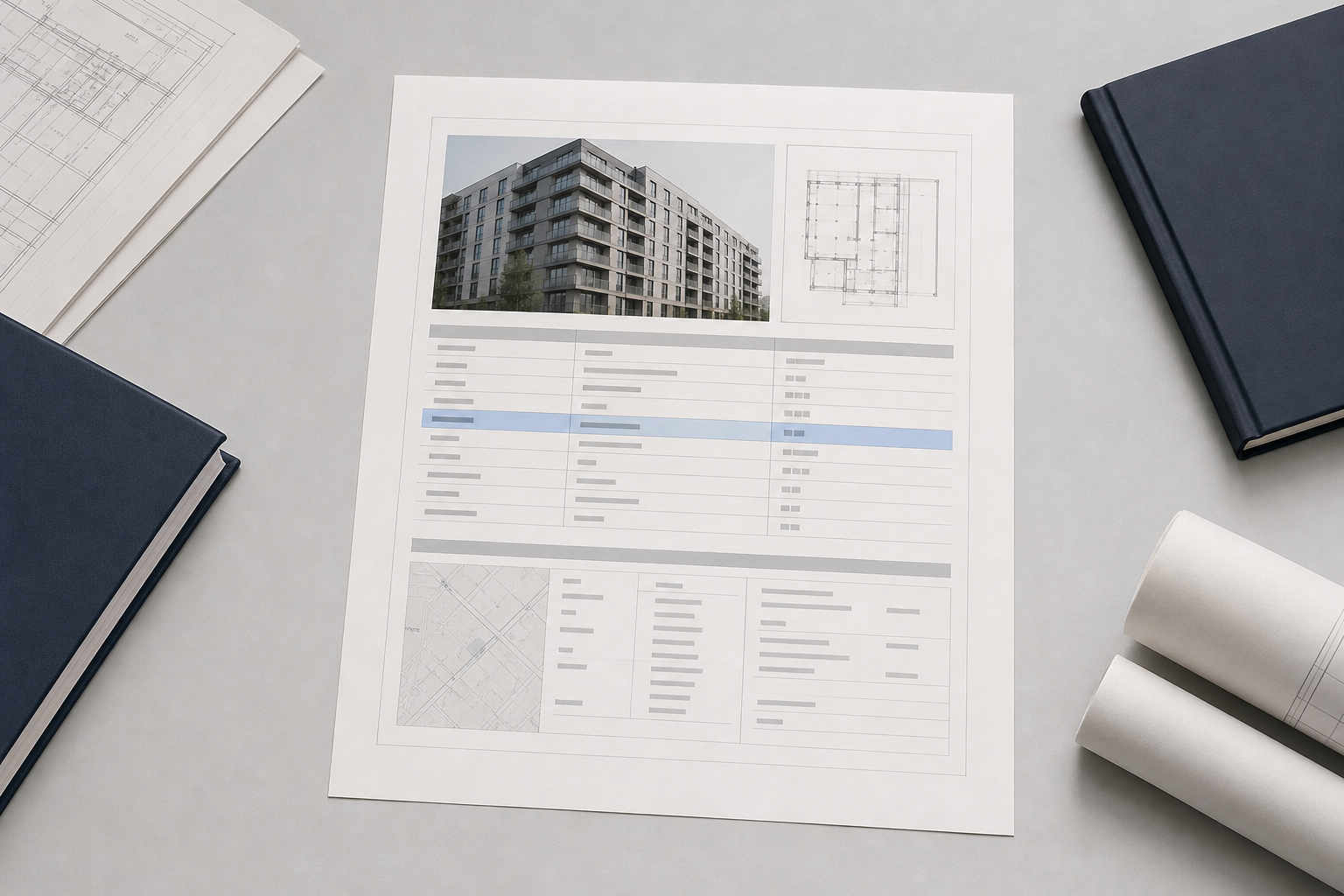
How to Read a BC Strata Building’s Structure and History from Public Records
You can learn a surprising amount about a BC strata building—from its construction era and material, to storeys and remediations—just from public records. Here's how to decode what’s available, what each source tells you, and what to look for next.
What Strata Documents Reveal About Decisions, Deferrals, and Direction — The Buyer's Deep Dive
For BC buyers racing the subject-removal clock, strata documents are the clearest window into how a building manages decisions, delays, levies, and reserve funds. Here’s what the paperwork actually reveals when it matters most.

How to Read Neighbourhood Change from Public Data in BC
BC buyers weigh more than just a building. Here’s how to read public data about neighbourhood change: transit, schools, hazards, crime, amenities, and development—without falling into common traps.

How to Identify a BC Strata Building: Construction, Era, and Remediation Clues from the Public Record
Before you read strata documents, public records can tell you a lot about a building’s construction, age, materials, and known remediation. Here’s how to read what’s available for free—before you even ask for the documents.

What Strata Documents Reveal When You're Inside the AGM Package
A practical guide for BC strata owners and council members on what annual general meeting (AGM) packages actually disclose—budgets, CRF, levies, bylaws, and what’s hidden in the minutes.

How to Read the Neighbourhood Around a BC Strata: Understanding Search Radius by Data Type
Not all neighbourhood signals map to the same distance. Learn how to interpret transit, schools, hazards, amenities, infrastructure, and development data around a BC strata building—by choosing the right search radius for each.
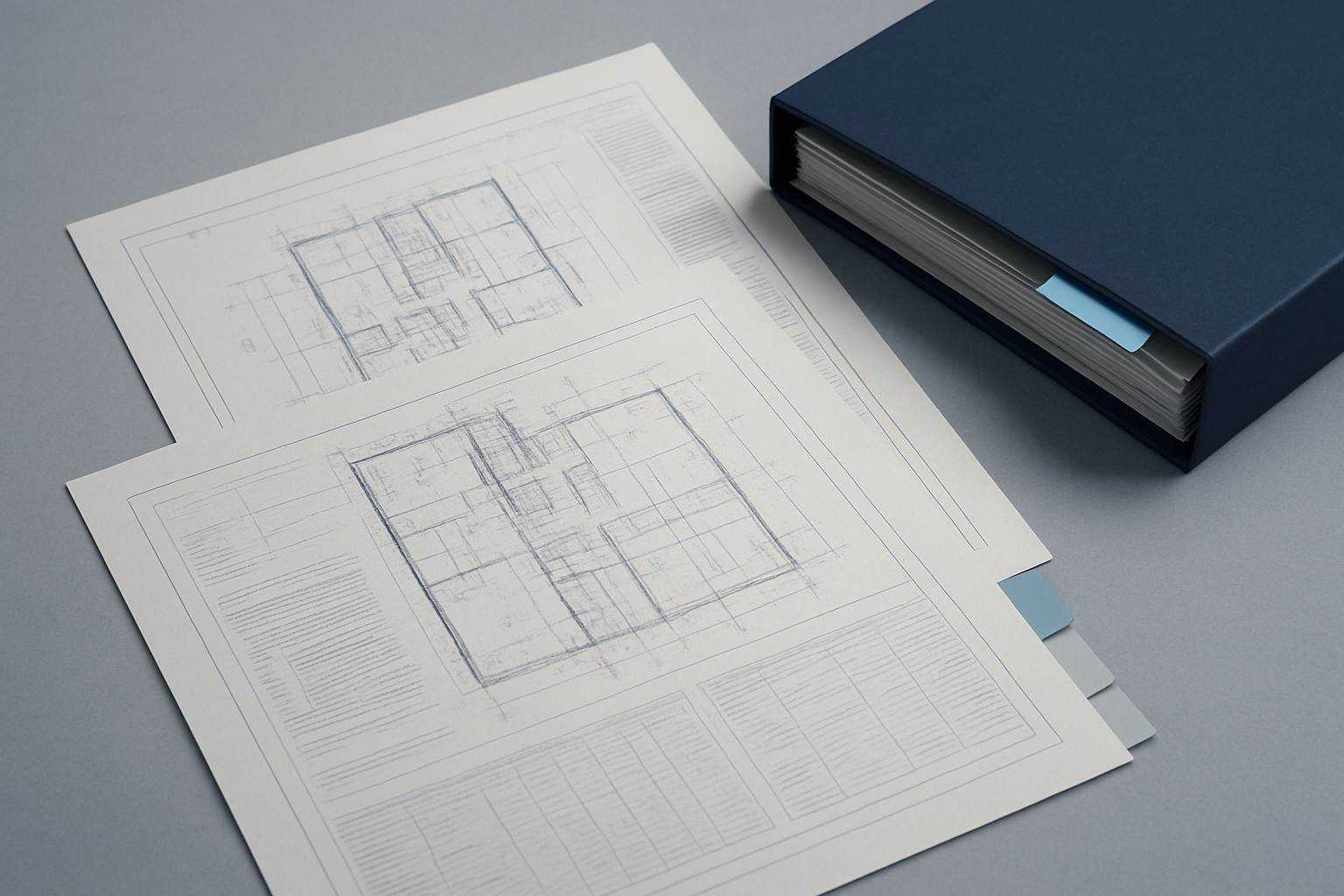
How to Read a BC Strata Building’s Public Profile: Construction, Era, and Identity
Understand how to identify what a BC strata building is made of, when it was built, how many storeys and units it has, who manages it, and what’s been remediated—using only public data, before any strata documents arrive.
How to Read a BC Strata’s Actual Paper Trail: What Minutes, Reports, and Records Show About Decisions and Delays
A practical guide for buyers inside the subject-removal window facing the stack of strata documents: what you can actually see in the minutes, CRF, depreciation report, Form B, and why these matter for real risk and timing.

How to Read Public Data About Hazards, Transit, and Amenities Around a BC Strata
Understanding the neighbourhood around a BC strata means going beyond the building itself. Learn how to use public data on hazards, transit, schools, and local amenities to inform your home-buying decision—without relying on word of mouth or guesswork.
How to Identify a BC Strata Building’s Construction, Era, and Remediation from Public Records
Learn how to identify a BC strata building’s construction material, age, size, management, and remediation history using public records—before seeing a single document. Essential for buyers and agents evaluating which buildings truly fit.
What the Key Strata Documents Reveal: Minutes, Budgets, Levies, and the Paper Trail
Inside the package: What BC strata minutes, budgets, levies, and depreciation reports reveal—and just as often, what they don’t. Written for buyers (and their Realtors) holding documents inside a subject-removal window.