Why Reading Your BC Strata Package Could Save You Thousands
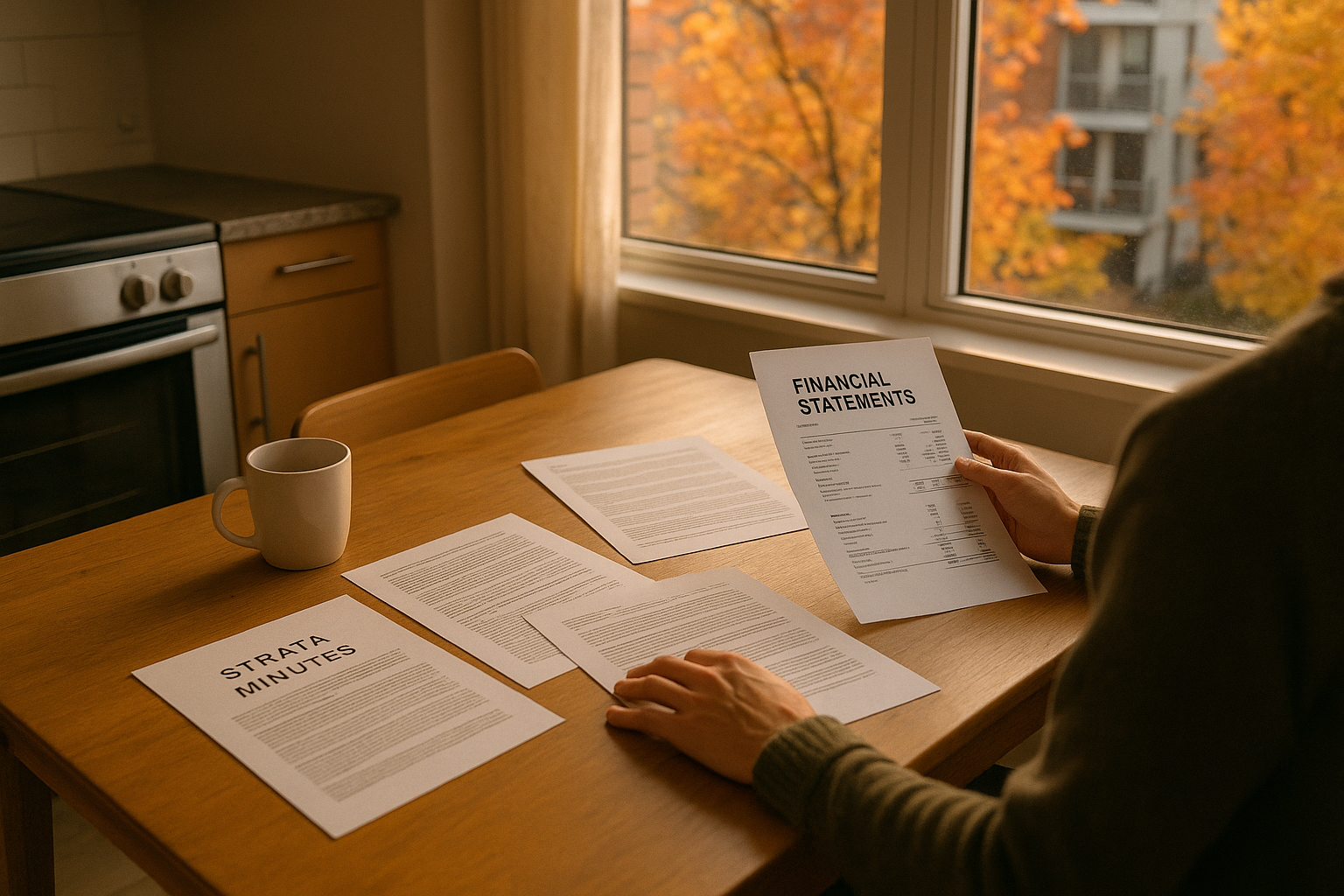
Purchasing a condominium in British Columbia is one of the most significant financial decisions most Canadians will ever make. Yet in 2026, countless buyers still sign on the dotted line without fully understanding the strata package sitting in their inbox. A strata package — which typically includes meeting minutes, depreciation reports, financial statements, bylaws, and insurance certificates — is a legal and financial snapshot of the building you're about to co-own. Ignoring it, or skimming it too quickly, can lead to costly surprises that no buyer wants after closing.
The challenge is that strata packages are dense, technical, and can run well over 200 pages. Most buyers simply don't know what to look for, and even experienced realtors can miss subtle warning signs buried in years of meeting minutes. That's exactly why understanding the key red flags — before you make an offer — is so critical in today's competitive BC condo market.
Red Flags 1–4: Financial Warning Signs You Can't Afford to Ignore
The first major red flag is an underfunded contingency reserve fund (CRF). In BC, strata corporations are required to maintain a CRF for major repairs and replacements. If the fund balance is significantly below the recommended amount in the depreciation report, you could be on the hook for a large special levy shortly after moving in. A healthy CRF should ideally cover at least 25–30% of the total recommended funding level.
The second red flag is a history of special levies. Scan through the last three to five years of meeting minutes and financial statements to see whether the strata has already issued special levies — and for how much. One small levy is not unusual, but multiple large ones suggest the building has chronic underfunding issues. Third, watch for deferred maintenance — a depreciation report that keeps pushing major repairs further into the future is a sign the strata is avoiding necessary costs at owners' expense. Fourth, rising strata fees without clear explanation deserve scrutiny. While modest annual increases are normal, sharp or unexplained jumps in monthly fees often signal underlying financial distress.
Red Flags 5–8: Governance, Legal, and Structural Concerns
Red flag number five is ongoing or unresolved litigation. Check the meeting minutes and any legal disclosure letters carefully. A strata involved in a lawsuit — whether against a contractor, a developer, or an individual owner — can face enormous legal costs that ultimately fall on all unit owners. This is one of the most financially dangerous situations a new buyer can walk into unknowingly.
Sixth, pay attention to the tone and frequency of AGM (Annual General Meeting) conflict. Heated disputes, frequent resignations from the strata council, or repeated failure to achieve quorum are signs of a poorly governed community. Seventh, review the building's insurance certificate closely. Rising deductibles, coverage gaps, or a history of large claims can make the building uninsurable at favorable rates over time — a growing concern in BC after years of water damage and climate-related claims. Eighth, watch for engineering reports that flag structural or envelope issues. A building envelope report recommending remediation is not automatically a dealbreaker, but if work has been recommended and not yet funded, that is a serious concern.
Red Flags 9–10: Bylaws and Rental Restrictions That Could Limit Your Options
The ninth red flag involves restrictive or outdated bylaws. BC strata law has evolved significantly, and some older buildings still carry bylaws that restrict rentals, prohibit pets, or place unusual limitations on renovations. If you plan to rent out your unit or bring a pet, verifying bylaws before purchase is non-negotiable. In 2026, rental restriction bylaws have been largely prohibited under BC's Strata Property Act amendments, but it's still vital to review what's on file to avoid unpleasant surprises.
The tenth red flag is age-related risk without a current depreciation report. BC law requires most strata corporations with more than four units to obtain a depreciation report every five years. If the building's report is overdue or waived repeatedly by three-quarters vote, it means the ownership community is collectively choosing not to plan for major repairs — a pattern that tends to end in expensive emergency levies. Always insist on seeing a current, valid depreciation report as part of your due diligence.
How Searchstrata.com Helps You Spot Red Flags Fast in 2026
Manually reviewing a 200-page strata package during a tight subject removal window is stressful and unreliable. That's where Searchstrata.com changes the game for BC condo buyers and realtors in 2026. By uploading your strata package directly to the platform, you receive an AI-powered analysis in minutes — not hours. Searchstrata's technology scans meeting minutes, financial statements, depreciation reports, and bylaws to surface exactly the red flags described in this article, ranked by severity and explained in plain language.
Whether you're a first-time buyer feeling overwhelmed by strata jargon or an experienced realtor helping multiple clients at once, Searchstrata gives you the insights you need to ask the right questions and negotiate with confidence. The platform is purpose-built for Canadian condominiums, meaning it understands the nuances of BC strata law, depreciation fund requirements, and the most common financial pitfalls in the local market.
Conclusion
A BC strata package is not just paperwork — it's the financial and legal blueprint of the home you're considering sharing with dozens of other owners. In 2026, buyers who skip proper strata due diligence are taking risks that can cost tens of thousands of dollars. From underfunded reserve funds to hidden litigation, the ten red flags outlined in this guide are the most critical issues to identify before you remove subjects. Don't leave your largest investment to chance. Try Searchstrata.com free today and get AI-powered strata package analysis in minutes — so you can buy with clarity and confidence.