Quick Answer
Limited common property (LCP) in a BC strata is property designated for the exclusive use of one or more owners, such as patios, balconies, or parking stalls, but is still owned by the strata corporation. Buyers should check strata documents—especially the Form B, Plan, and bylaws—to confirm which areas are LCP, who maintains them, and any rights or restrictions before purchasing.
What is Limited Common Property in a BC Strata?
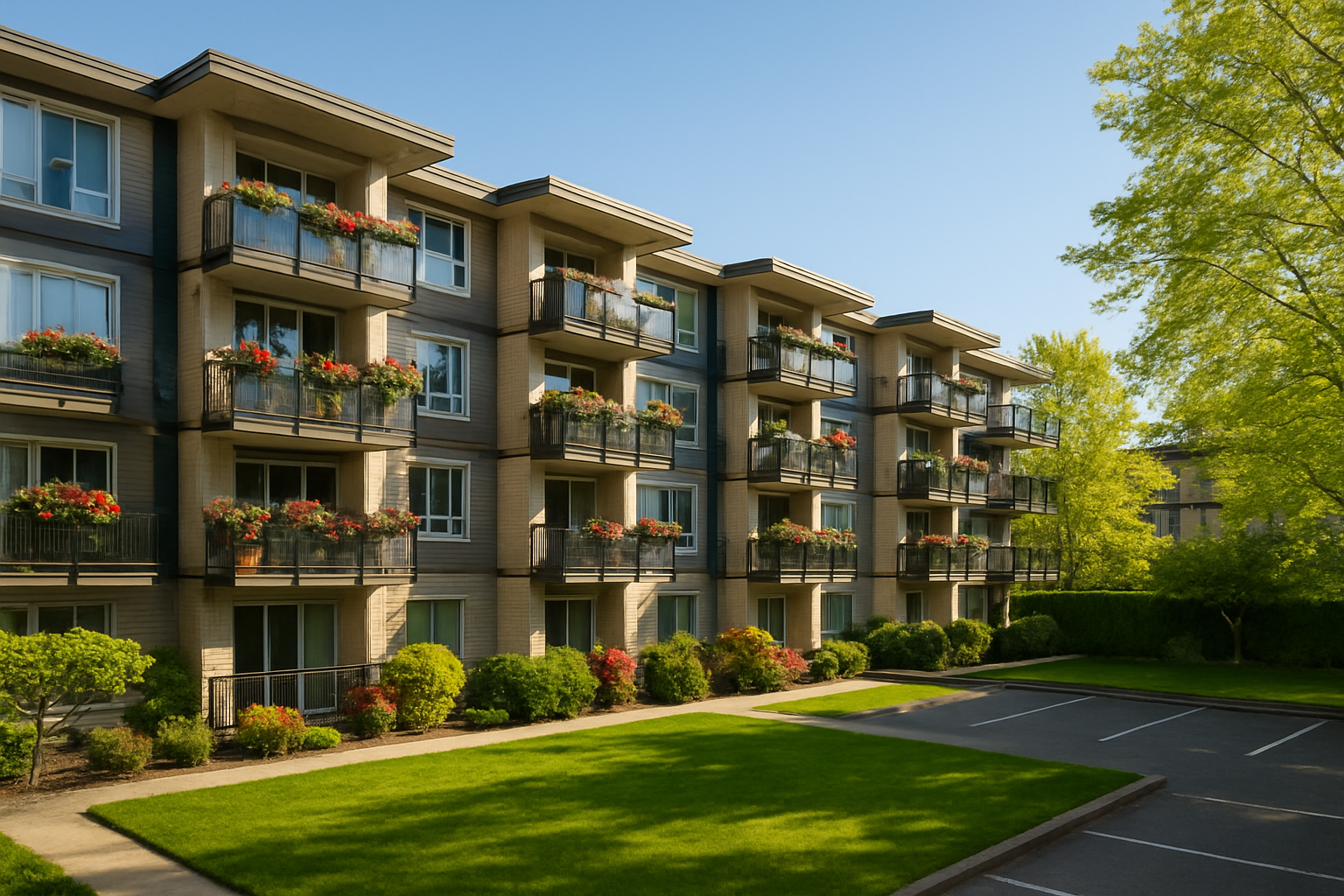
Limited common property (LCP) is a part of the common property assigned for the exclusive use of one or more strata lots. Examples often include: patios, garden plots, balconies, storage lockers, and specific parking stalls. Unlike a strata lot, LCP isn't owned by one person — all the owners own it together as tenants in common — but its use is reserved for the designated owner(s).
In Vancouver and the Lower Mainland, LCP is especially common in newer buildings where outdoor spaces or parking are assigned this way. The Strata Property Act governs how LCP is created, altered, or assigned in BC strata corporations, and changes typically require a 3/4 vote by the ownership.
How Do You Identify Limited Common Property in Strata Documents?
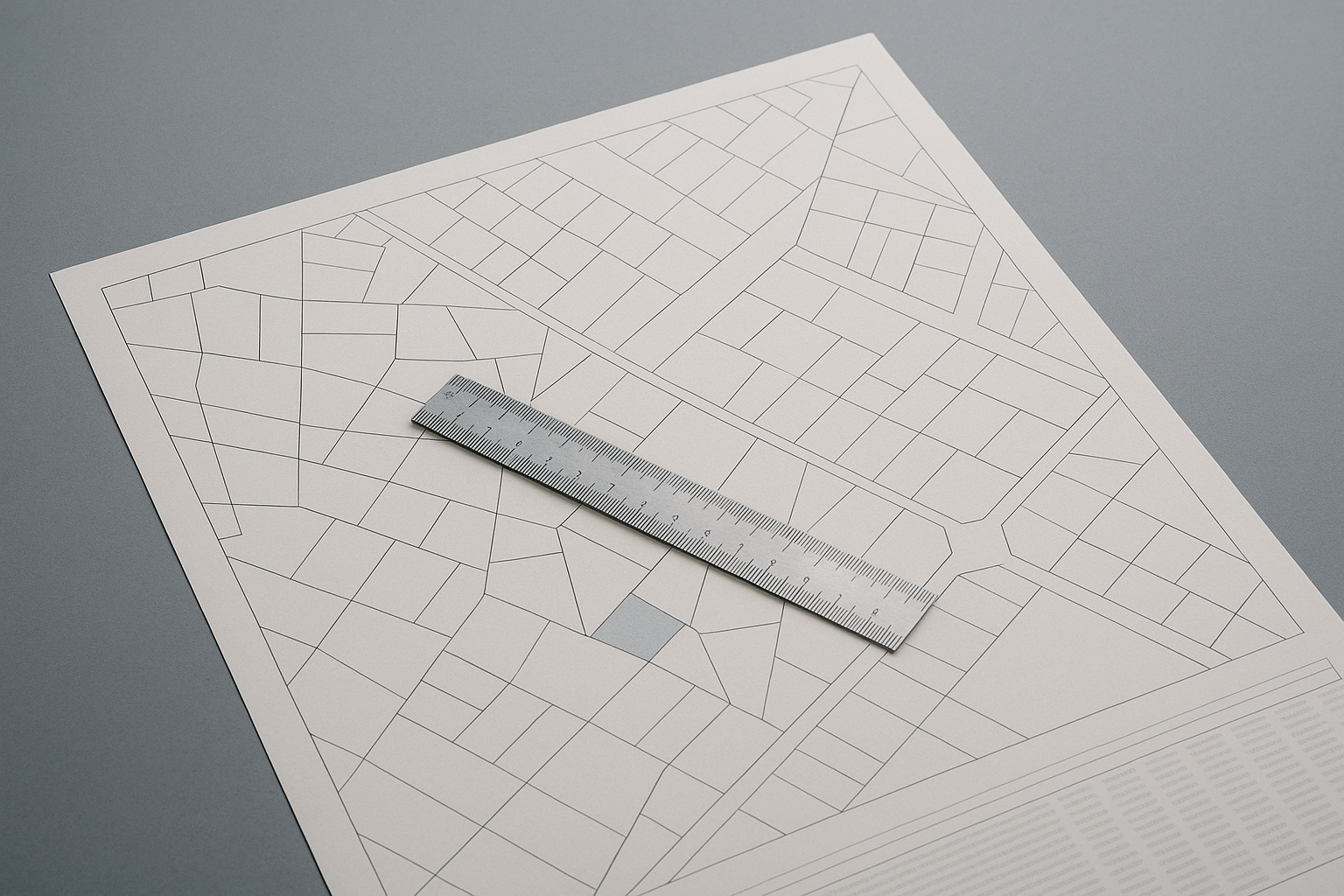
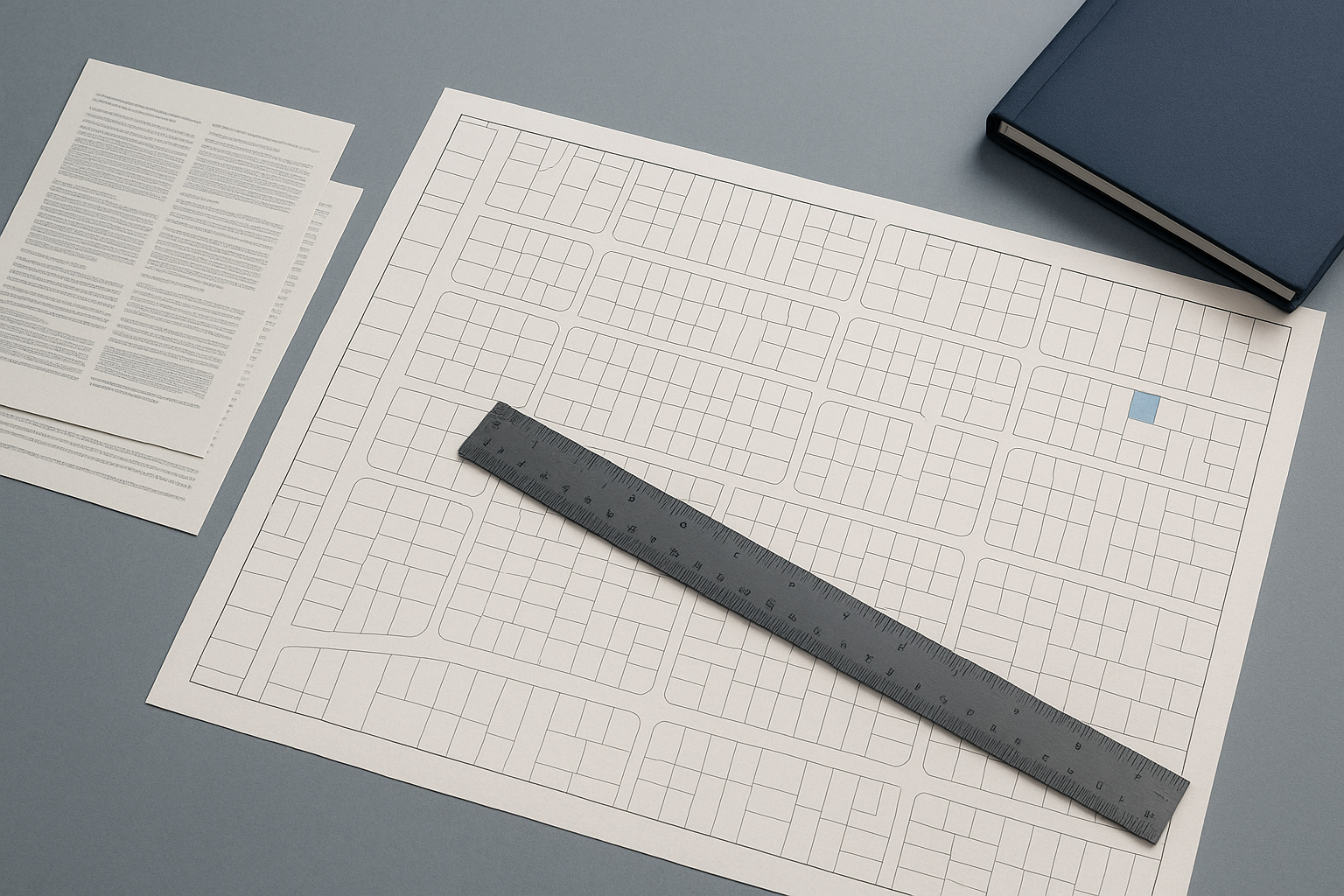
Limited common property is identified through three key sources: the registered strata plan, Form B, and strata bylaws. The strata plan will show and label LCP areas—often as shaded or marked sections tied to specific strata lots.
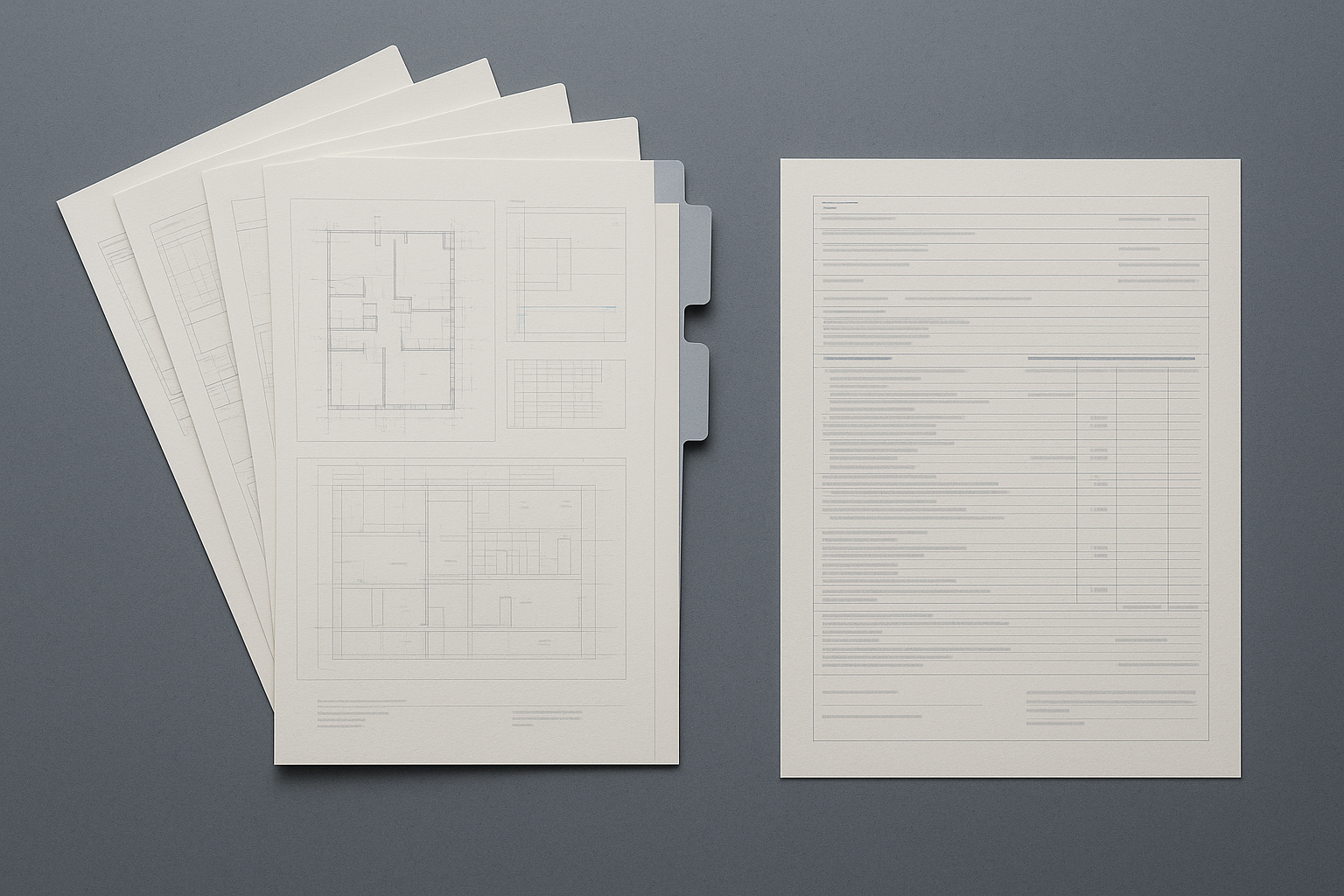
Form B—the Information Certificate required for resales—lists assigned LCP, like parking or storage, for the specific unit being sold. Strata bylaws or rules sometimes contain additional details on use or maintenance. Accurate, up-to-date strata plans and Form B certificates are essential for verifying LCP assignments in any BC condo purchase.
Why Does LCP Matter for BC Condo Buyers This Spring?
For spring buyers in BC, LCP matters because it defines crucial rights and responsibilities—parking, storage, and outdoor space often drive condo value and daily enjoyment. Before writing an offer, confirm that any balcony, patio, or stall you expect is officially designated as LCP for your unit.
Because LCP is common property owned by all the owners together as tenants in common, not by the individual, its designation can sometimes be changed by a 3/4 vote. If you don’t verify LCP status, you could lose exclusive access after purchase or be on the hook for unexpected repairs. In Burnaby and Surrey, common disputes involve confusion over patio fences, garden access, or wrongful parking claims.
Who Maintains and Pays for Limited Common Property?
Maintenance of LCP is typically the responsibility of the strata lot owner who has exclusive use, but the details depend on your strata’s bylaws and the Strata Property Act. For example, owners might be responsible for cleaning a balcony but not for major repairs to the structure.
Major LCP repairs—like replacing a leaking balcony membrane or repaving LCP parking stalls—are usually paid from the strata’s operating fund or contingency reserve fund, unless bylaws say otherwise. Always check minutes and financials for recent or upcoming LCP repair projects, particularly in older buildings in Vancouver or Victoria.
Can Limited Common Property Status Change After You Buy?
Yes, the status or allocation of limited common property can change, but this usually requires a formal 3/4 vote by the strata corporation at a general meeting. Examples include reassigning parking stalls, expanding patios, or reconfiguring shared spaces.
Owners should review recent AGM or SGM minutes for any proposed LCP changes affecting their unit. In high-demand areas like downtown Vancouver, reassignments of LCP stalls or lockers are a common topic. If a change is imminent or underway, clarify your rights and obligations with the strata manager or council before completing a purchase.
Frequently Asked Questions
What happens if a parking stall or storage locker isn’t listed on Form B?
If a parking stall or locker isn’t listed on Form B as limited common property, you don’t have guaranteed exclusive use. Always confirm assignments in writing before purchase.
Can strata councils reassign limited common property without notice?
Strata councils cannot reassign LCP on their own: undoing a designation the strata itself made takes a 3/4 vote at a general meeting, while removing one made by the owner developer or by an amendment to the strata plan takes a unanimous vote, in each case with proper notice to affected owners, as required by the Strata Property Act.
Are patios and balconies always limited common property in BC condos?
Not always; some patios and balconies may be part of the strata lot, limited common property, or common property. The strata plan and Form B will specify the designation.
Who pays for repairs to limited common property in BC?
Routine maintenance is usually paid by the owner with exclusive use, but major repairs often come from the strata’s funds unless bylaws state otherwise. Always check your documents.
Can limited common property be converted to part of a strata lot?
Converting LCP to part of a strata lot is rare and complex. It requires amending the strata plan and approvals at Land Title Office; most changes involve reassigning, not converting, LCP.
Conclusion
Limited common property can make or break your experience with a BC condo—especially when it comes to parking, patios, and storage. Always check the strata plan, Form B, and bylaws to confirm what is truly reserved for your use. If you want to avoid confusion or missed details, SearchStrata’s AI-powered analysis can help you identify and understand LCP in any strata document package before you buy.