Quick Answer
In BC's spring real estate market, buyers should determine their maximum price based on local comparables, set clear limits, and avoid emotional overbidding. Research recent sales, consult your Realtor, and consider escalation clauses cautiously to stay competitive without overspending.
How can buyers determine a fair offer price in spring's fast-moving market?
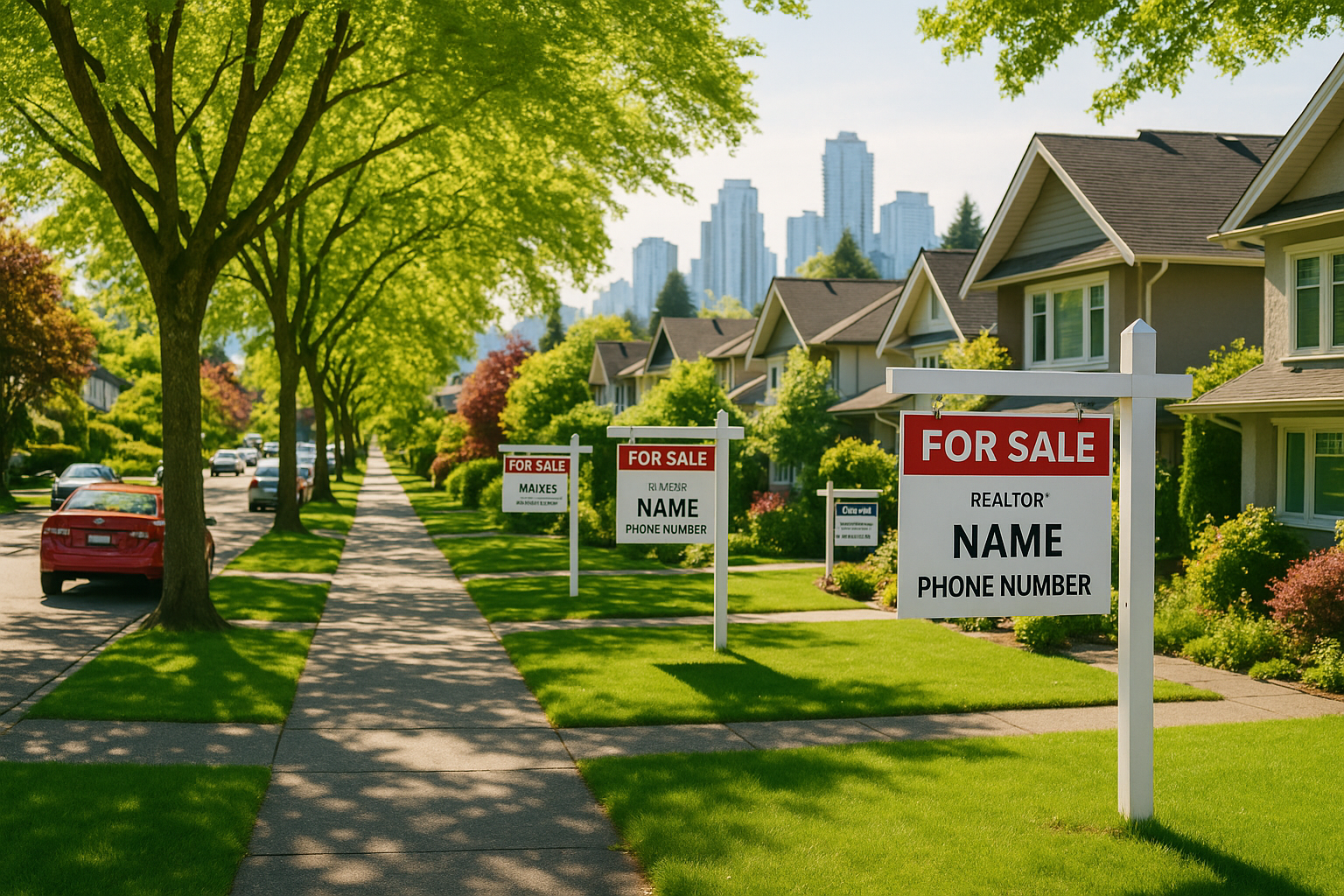
Buyers can determine a fair offer price by researching recent comparable sales in their desired neighbourhood. In areas like Vancouver or Richmond, spring often brings a surge of listings and multiple offers, so focus on 3–5 very recent sales for the most relevant data. Check that comparisons match your target property in size, age, and location. Your agent can provide these details and interpret market shifts, such as if prices are trending upward month-to-month. Remember, list price rarely reflects true market value in a bidding environment.
What role do escalation clauses and subject-free offers play?
Escalation clauses and subject-free offers can make your bid more competitive but also carry risks. An escalation clause automatically increases your bid above other offers, up to a set maximum, which can help in a multiple-offer scenario but also push you to your top price faster. Subject-free offers (removing conditions like financing or inspection) are attractive to sellers but risky for buyers, especially if you haven't fully reviewed the home’s documents or secured financing. Before taking these steps, be absolutely sure of your financial position and tolerance for risk—it’s worth reconsidering if the property has red flags or sparse information.
How do appraisals and lender requirements affect your offer?
A lender’s appraisal determines the maximum mortgage amount, and if your offer is too high, you may have to cover the gap in cash. In a hot spring market, appraisals may lag behind rapid price increases, and buyers in Surrey and Coquitlam have seen shortfalls between sale price and appraised value. Speak with your mortgage broker about appraisal risk, especially if you bid significantly above list price. Ensure you have extra funds available, or set a maximum offer that accounts for potential appraisal discrepancies.
What mistakes should buyers avoid when making an offer?
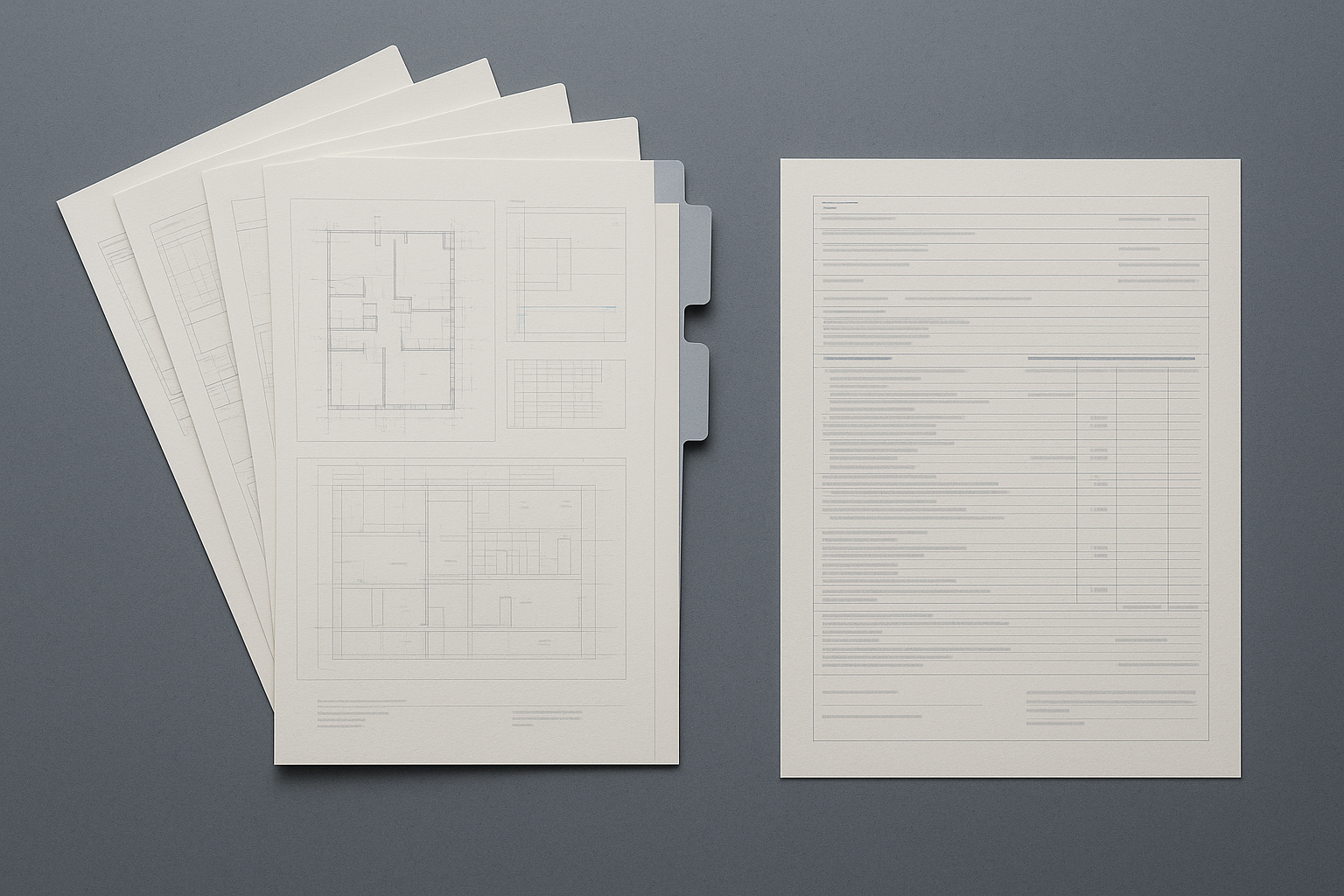
Buyers should avoid common pitfalls like letting emotions push them past their financial comfort zone or skipping due diligence on property condition and documents. Don’t feel pressure to waive all conditions unless you’ve already reviewed strata packages or inspection reports. Skipping essential steps can lead to unexpected costs or legal trouble later. If time is tight, consider using services like SearchStrata to quickly analyze strata documents before you commit, especially in competitive markets like Burnaby and Victoria.
How can buyers protect themselves from overpaying in a bidding war?
Setting a clear maximum price and sticking to it is the best protection against overpaying in a bidding war. Talk openly with your Realtor about your true ceiling, factoring in all closing costs and your tolerance for future market shifts. Ask your agent to walk through similar sales and failed listings to establish what’s realistic. If you lose a few bidding wars, take time to revisit your criteria and budget rather than stretching too far. Sometimes, stepping back for a week lets you spot new listings at better value—and avoids buyer’s remorse.
Frequently Asked Questions
How do I find comparable sales fast in a busy BC market?
Ask your Realtor for a report of comparable sales within the last 30–60 days in your target neighbourhood. This gives you a realistic view of what similar homes are selling for in the current market.
Is it ever safe to go subject-free in BC?
Going subject-free is always a risk, but it is more common in spring bidding wars. Only consider it if you have already completed inspections, have lender pre-approval, and have reviewed all available documents.
What happens if the appraisal comes in lower than my accepted offer?
If your lender’s appraisal is lower than your offer price, you must make up the difference in cash or risk losing your deposit and the home. Always discuss this risk with your mortgage professional.
Can I negotiate after a bidding war is won?
Once your offer is accepted, negotiating further is uncommon unless an issue is uncovered in post-acceptance inspections or documentation. Most sellers expect the agreed price to hold.
How do I avoid buyer’s remorse after a hot spring purchase?
Stay grounded by setting non-negotiable limits for price and property features, and don’t skip due diligence. This approach ensures your new home fits both your needs and your budget.
Conclusion
The spring market in BC is fast-paced and can be emotionally charged, but a clear-eyed approach to pricing can save you from costly mistakes. Use recent comparables, consult your Realtor, and don’t let pressure push you beyond your financial boundaries. If you’re purchasing a strata property or condo, make sure to review all documentation before going subject-free. Services like SearchStrata can help you quickly and thoroughly analyze strata packages, so you can make confident decisions even in a tight timeline.