Quick Answer
A special levy in a BC strata is an extra charge collected from owners to pay for a specific project or expense not covered by the regular budget, like a new roof or major repairs. A special levy divided among owners the usual way — by unit entitlement — needs a 3/4 vote at a general meeting, but if it is split up some other way that's fair for that particular levy, it takes a unanimous vote. Reviewing strata documents in the spring market is essential to spot pending or potential levies before buying.
What is a special levy in a BC strata?
A special levy is an additional one-time fee assessed to cover costs that go beyond the annual operating budget, such as emergency repairs or large-scale upgrades. These can include projects like elevator replacements, exterior envelope repairs, or unexpected plumbing failures. Special levies are common in older buildings but can occur in newer ones too. The process, set by the Strata Property Act, requires transparency and owner approval before any levy is imposed.
How are special levies approved and calculated?
Special levies must be approved at a properly convened general meeting of the strata corporation — by a 3/4 vote where each strata lot's share is calculated the usual way under the Act, or by a unanimous vote where the shares are divided in some other way that is fair for that particular levy. Once passed, each owner’s share is calculated based on the unit entitlement—usually the relative size of each unit. For example, if $400,000 is needed for a new roof in a Vancouver building and you own 3% unit entitlement, you’d pay $12,000. The levy’s purpose, the total amount, and the payment timing must be spelled out in the meeting notice and minutes.
What should buyers look for regarding special levies during the spring market?
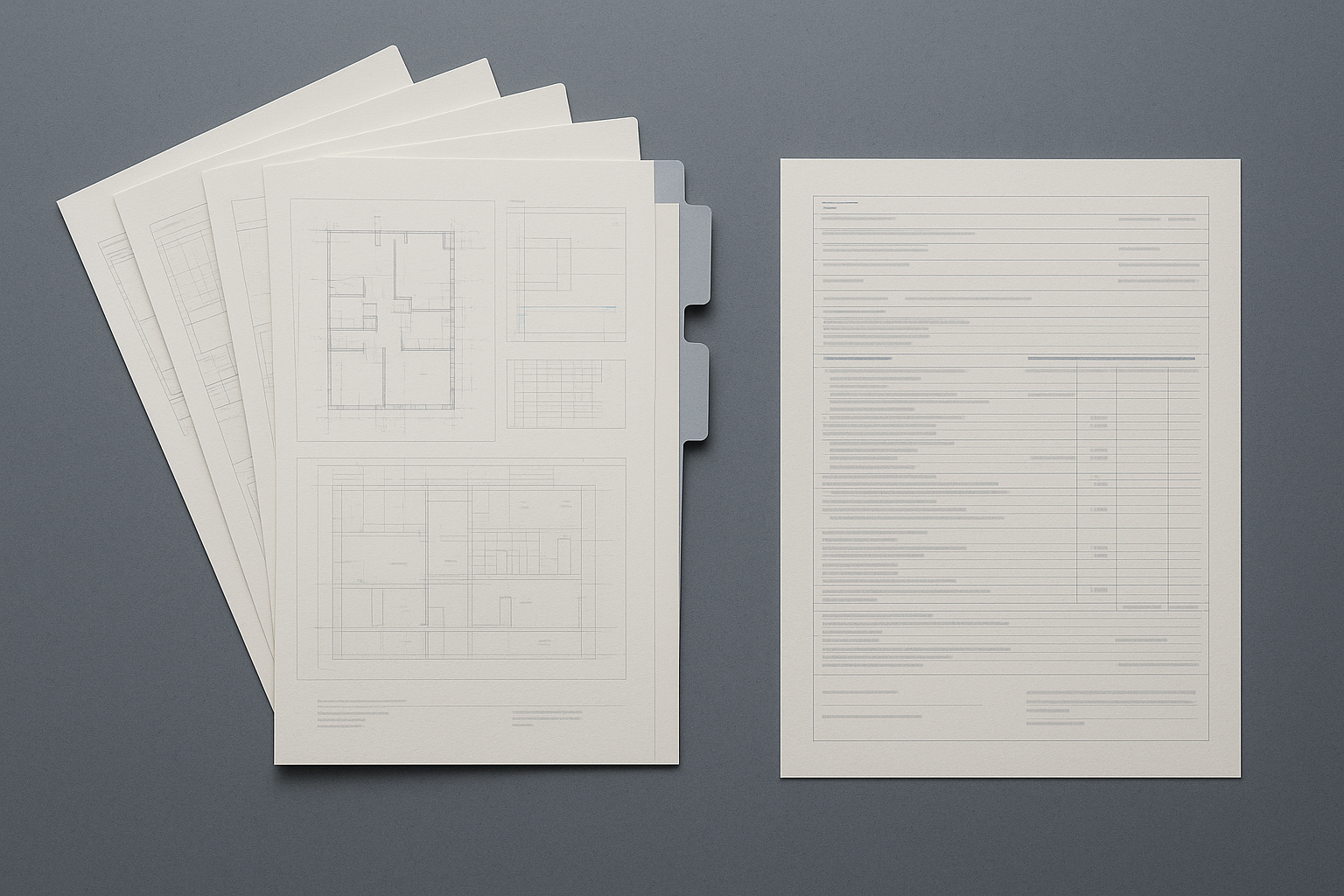
Buyers should carefully review strata documents for signs of upcoming or recently approved special levies, especially during the busy spring season. Key documents include AGM and SGM minutes, Form B, council meeting minutes, and the depreciation report. Watch for phrases like "levy under discussion," "major project pending," or "special assessment required." In Vancouver, competitive spring conditions mean these details can make or break a deal. Also, spring AGMs often reveal new projects or levy proposals.
What risks do special levies pose for buyers and owners?
Special levies can mean large, unexpected expenses for both buyers and existing owners, sometimes leading to financial strain or mortgage complications. A pending levy after subject removal could result in thousands in additional out-of-pocket costs. Buyers risk inheriting responsibility for a levy approved after their purchase agreement but before closing. Owners should also be aware that major levies can affect the building’s resale value and marketability during peak spring activity.
How do depreciation reports and contingency reserve funds relate to special levies?
Depreciation reports help strata corporations anticipate major future expenses, ideally reducing the need for surprise special levies. The contingency reserve fund (CRF) acts as a financial buffer, but if it’s underfunded, a special levy may still be needed. A healthy CRF and an up-to-date depreciation report in Burnaby or Surrey suggest the strata is less likely to require frequent levies, while gaps signal added risk. Always check these documents for clues about upcoming projects and funding shortfalls.
Frequently Asked Questions
How do I find out if a special levy is coming in my strata?
You can find information about pending or proposed special levies in strata meeting minutes (AGM/SGM), council meeting records, and the Form B. Watch for notes about major projects or funding issues.
Who pays a special levy if a unit is sold during the levy period?
Responsibility depends on the terms of the purchase contract and the timing of approval. Sometimes the seller pays if the levy was approved before closing; sometimes the buyer inherits it if approved afterward. Always clarify before subject removal.
Can a strata corporation waive a special levy after it’s been approved?
Once a special levy is approved by 3/4 vote, it can only be changed or cancelled by another resolution at a general meeting. The funds must be used for the stated purpose or returned to owners.
Are special levies tax-deductible for strata owners in BC?
Special levies for maintenance or repairs on a principal residence are generally not tax-deductible. Always consult a tax professional for your specific situation.
What happens if an owner can’t pay a special levy?
If an owner cannot pay a special levy, the strata corporation may charge interest, and in severe cases, can register a lien on the property. This can affect refinancing and the ability to sell the unit.
Conclusion
Special levies are a fact of life in BC strata ownership, especially during the busy spring market when building projects and AGMs ramp up. Scrutinizing all minutes, Form B, and financial records is essential for both buyers and owners. Understanding how levies work—and spotting red flags early—can help you avoid costly surprises and make more informed decisions. When reviewing a complicated strata package, consider using SearchStrata to save time and ensure nothing important is missed.