Quick Answer
Depreciation reports help BC strata corporations understand the long-term costs of maintaining and renewing common property. Council members and property managers must ensure a current report is in place, use its recommendations to guide reserve fund planning, and verify compliance with the latest Strata Property Act requirements—particularly timing and deferral rules, which can change. Effective reserve planning protects both the physical asset and council’s reputation for good governance.
What is a Depreciation Report and Why Is It Required?
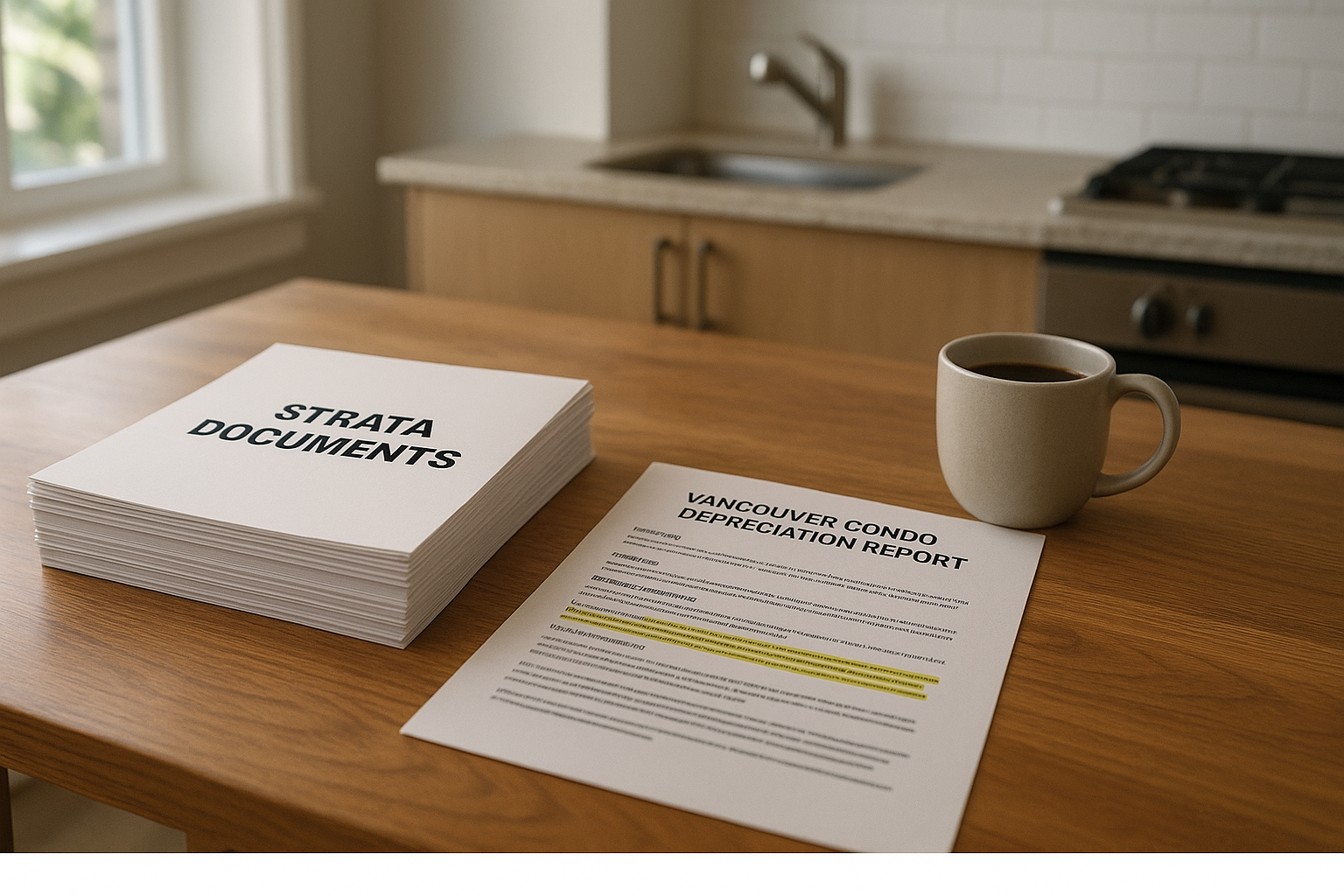
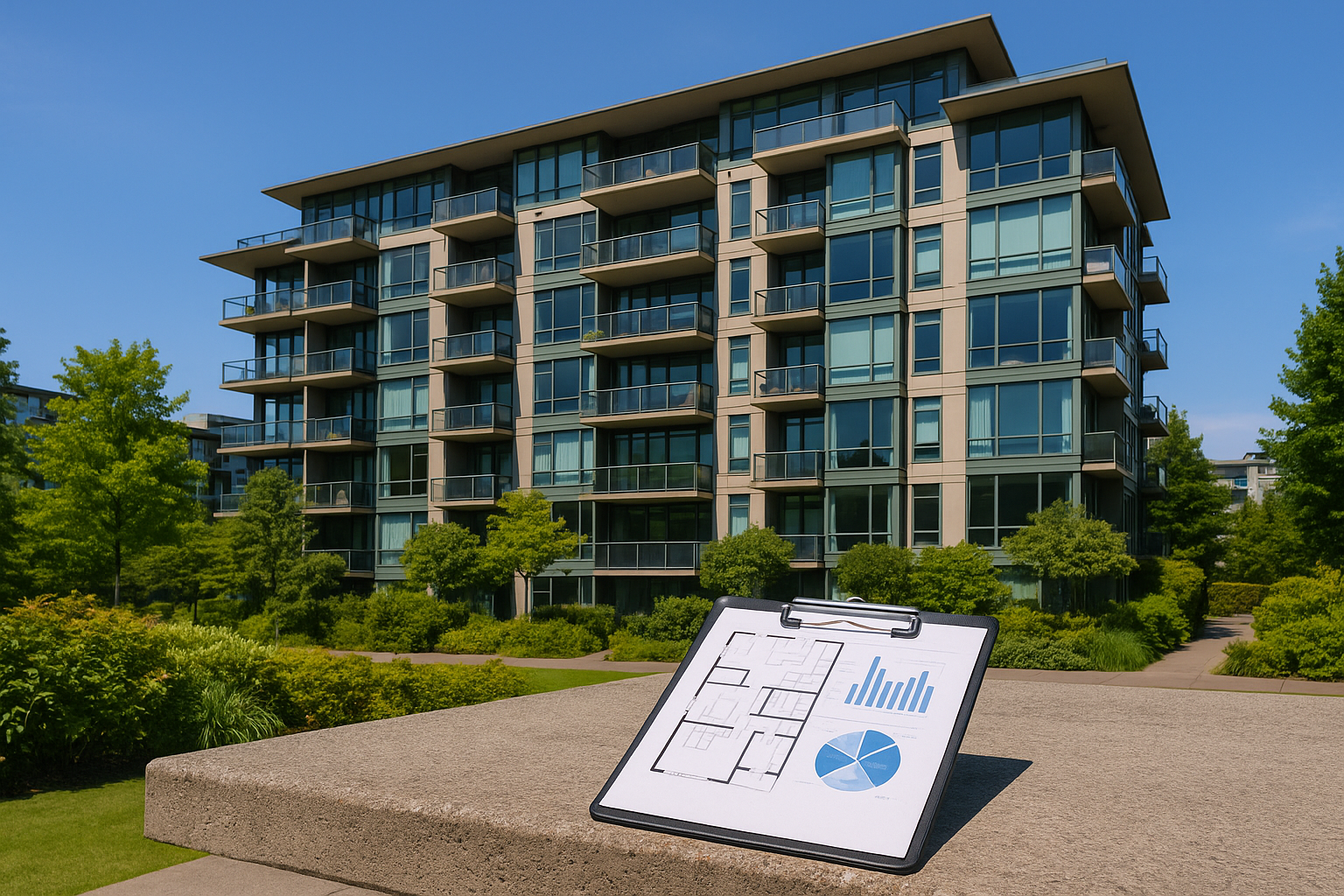
A depreciation report assesses the current state of a strata’s common property and projects the timing and cost of future repairs and replacements. It is required for most strata corporations in BC to support long-term financial planning and transparency.
The report typically covers major items such as roofs, elevators, piping, cladding, and parkades. By outlining when key components will reach end-of-life and estimating future costs, it gives both councils and owners a roadmap for reserve funding needs. The Strata Property Act requires these reports for most strata corporations, but deadlines and exemption rules can and do change—always check the latest government regulations or consult a professional for your specific situation.
Having a reliable depreciation report demonstrates prudent management to owners, buyers, and regulators, and is increasingly expected in Vancouver, Surrey, and other busy BC markets.
How Does the Depreciation Report Drive Reserve Fund Planning?
A current depreciation report should be the starting point for council’s reserve fund strategy. It details projected expenses over 30 years, helping councils set annual contribution targets for the contingency reserve fund (CRF).
Using the report’s schedule, councils can budget for large, infrequent expenses like roof replacement or elevator refurbishment, avoiding funding shortfalls and last-minute special levies. Councils are not legally bound to follow every recommendation, but deviating without sound rationale can leave your planning open to criticism or challenge.
Property managers should ensure the depreciation report is referenced when proposing budgets or discussing CRF health with the council. Regularly updating the report and adjusting the funding plan as conditions change fosters defensible, transparent stewardship of owners’ investments.
What Makes a Depreciation Report Defensible?
A defensible depreciation report is current, thorough, and prepared by a qualified professional. Council should verify the consultant’s credentials and whether their approach covers all required common assets.
Defensible reports include detailed inventories, realistic cost and lifespan estimates, and supporting photos or notes. Councils should document why any recommendations are accepted or set aside, especially if major repairs are deferred.
Establishing a clear file of council minutes and correspondence relating to depreciation planning is critical for future councils, owners, and buyers, and supports compliance with the Strata Property Act and Section 35 records provisions.
What Are the Council’s Ongoing Responsibilities for Depreciation and Reserve Fund Planning?
Council’s responsibilities include commissioning timely depreciation reports, reviewing and discussing recommendations, and planning CRF contributions accordingly. Councils must verify they are meeting current legal obligations concerning report frequency and disclosure.
Between updates, council should monitor the physical condition of common property and adjust planning if issues arise earlier than expected. Any material changes—such as capital projects, bylaw amendments, or insurance increases—should be reviewed in the context of the most recent depreciation report.
Council should update owners at annual general meetings about the CRF’s health and any anticipated large expenditures, and document these discussions for transparency. For best practices in preserving decision history and transitions, see Orderly Minutes, Orderly Strata: Council Strategies for Reliable Meeting Records.
How Can Council and Management Work Together for Reliable Long-Term Planning?
Effective reserve planning is a joint effort between council and property management. Property managers can help source qualified consultants, assemble documentation, and coordinate owner communications.
Council should expect property management to flag upcoming report renewal deadlines and keep depreciation planning as a standing agenda item. Both parties should routinely review the report’s recommendations and CRF balance to maintain alignment.
Using tools like SearchStrata to analyze historical repair decisions, funding levels, and document changes can save time, ensure nothing falls through the cracks, and help new council members get up to speed quickly.
Frequently Asked Questions
Are all BC strata corporations required to have a depreciation report?
Most BC strata corporations are required to maintain a current depreciation report, but there are some exceptions and the rules may change. Always verify current requirements with the BC government or a qualified strata lawyer.
How often must a depreciation report be updated in BC?
The mandatory update frequency for depreciation reports can change and may depend on regulations or strata-specific circumstances. Councils should check the latest requirements and set reminders for renewal deadlines.
Can a strata corporation defer or waive the depreciation report requirement?
Some strata corporations have had options to defer or waive the requirement in the past, but these rules are subject to change. Councils should confirm with the latest government directives or seek legal advice before assuming exemption or deferral is possible.
What happens if we ignore the depreciation report recommendations?
Ignoring recommendations without documented rationale can expose the council to owner challenges or claims of mismanagement. Councils should always record their decisions and reasoning in minutes.
How can we improve our contingency reserve fund planning?
Start with your most recent depreciation report, regularly review actual repair costs, and update funding plans as needed. Professional advice and modern tools like SearchStrata can help improve accuracy and documentation.
Conclusion
Depreciation reports and thoughtful reserve planning are at the heart of responsible strata governance in BC. Council and property managers who stay current with legal requirements, commission robust reports, and document planning decisions protect both the property and their own reputations. Tools like SearchStrata can make it easier to analyze decades of strata history, ensuring that your council’s stewardship stands up to scrutiny and supports your community for years to come.