Quick Answer
A strata engineer report in BC is a technical assessment of a building’s major systems—like the envelope, structure, and plumbing—prepared by a certified professional. For buyers, reading these reports carefully during the spring market is essential: they can reveal hidden problems, upcoming repairs, and cost risks not always listed in council minutes or financial statements.
What is a strata engineer report, and why does it matter?
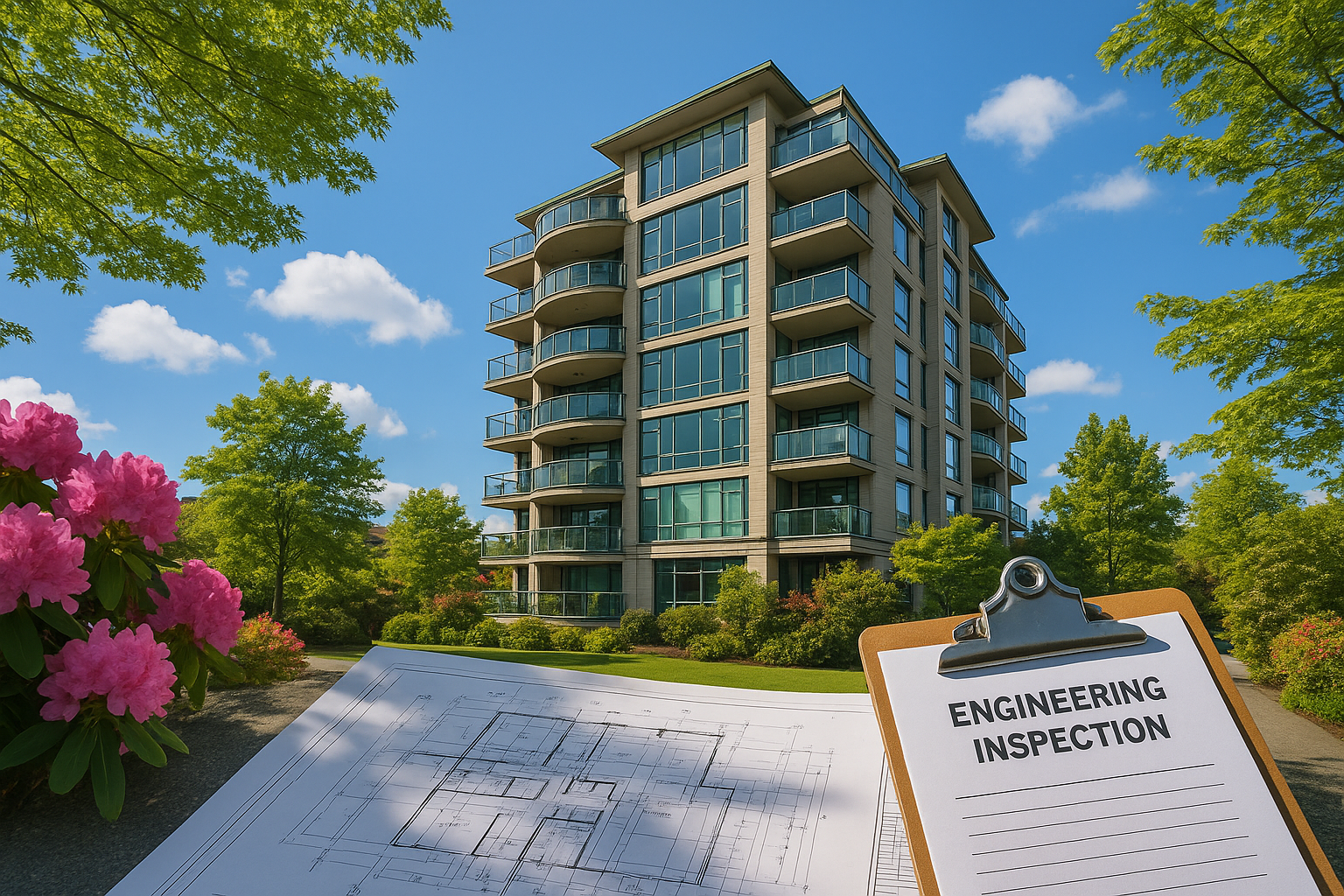
A strata engineer report is a detailed technical evaluation of a building, usually commissioned when there are suspected issues or as part of regular maintenance planning. In BC, these reports are often ordered for envelope assessments, structural concerns, or water ingress problems. Unlike the basic Form B or regular minutes, engineer reports highlight physical risks and repair timelines. For buyers, they can indicate upcoming special levies or major disruptions.
How can buyers find and access engineer reports during the spring rush?
Engineer reports are part of the strata’s Section 35 records, but only an owner, tenant or someone they authorize in writing can request them, so a buyer has to go through the seller — they aren’t among the documents attached to a Form B. In Vancouver and Burnaby, most realtors will include all current technical reports in the document package. Always confirm that you’ve received recent engineering assessments, especially if the building is over 10 years old or has a history of envelope or structural issues. If anything seems missing, ask your realtor or the strata manager directly.
What should you look for in a strata engineer report?
Key things to look for in an engineer report include identified deficiencies (e.g., water ingress, membrane failures), estimated timelines for repairs, and rough cost projections. Pay special attention to:
- Envelope issues, especially in older Vancouver buildings
- Plumbing or HVAC system lifespan projections
- Safety concerns flagged by the engineer
- Recommended next steps (monitor, repair, or full replacement)
For example, a report noting balcony membrane failures within 3-5 years usually means a major levy is on the horizon.
How do engineer reports connect to strata levies and owner costs?
Engineer reports often trigger special levies or larger contingency reserve planning. When engineers recommend urgent repairs, strata councils are obligated to act—either scheduling the work or proposing levies at the next AGM or SGM. For buyers in Surrey or Victoria, check if the report’s recommendations already resulted in an approved levy, or if a vote is pending. This context can mean thousands in upcoming owner contributions.
What risks or red flags should buyers watch for?
The biggest red flags include recurring water ingress, structural concerns marked 'urgent,' and recommendations for immediate repairs with no action yet taken. Reports recommending more investigation can also signal hidden or escalating costs. If a building has multiple unresolved engineer reports, or if work has been delayed, budget for possible disruption and extra assessments. In BC’s busy spring market, overlooking these warning signs can lead to expensive surprises.
Frequently Asked Questions
What is included in a typical strata engineer report in BC?
A typical engineer report includes an overview of the inspection, identified deficiencies, repair recommendations, and estimated timelines and costs. It focuses on major systems such as the building envelope, structure, and mechanical components.
Are engineer reports different from depreciation reports?
Yes, engineer reports focus on specific building issues or investigations, while depreciation reports provide a long-term funding plan for all common property components. Sometimes, engineer findings are incorporated into depreciation reports, but they serve distinct purposes.
Do I have to pay extra to access engineer reports as a buyer?
If you request a full strata document package or a Form B for a BC condo, engineer reports are usually included. However, if not, you may need to pay the strata for additional records under Section 35 of the Strata Property Act.
Should buyers get their own independent engineering review?
In most cases, reviewing existing engineer reports is sufficient, but for major concerns—or if the reports are old—some buyers hire their own engineer for a second opinion, especially on costly or safety-related issues.
How recent should an engineer report be to rely on its findings?
Reports less than two years old are ideal, especially in a fast-changing market. For older reports, confirm what work has been completed since, and look for any new or follow-up assessments.
Conclusion
Strata engineer reports can reveal risks and repair costs that aren’t obvious in other documents. During BC’s spring market, reading these technical assessments closely helps buyers avoid costly surprises and make better decisions. SearchStrata makes it faster and easier to identify key risks and understand what these reports mean for your purchase.