Quick Answer
Low strata meeting attendance—especially at annual general meetings (AGMs)—can indicate problems with governance, engagement, and communication in a BC condo. Buyers should review meeting minutes for attendance figures and quorum notes to gauge how active and involved the community is, as this impacts decision-making, maintenance, and potential conflicts.
What does strata meeting attendance reveal about a building?
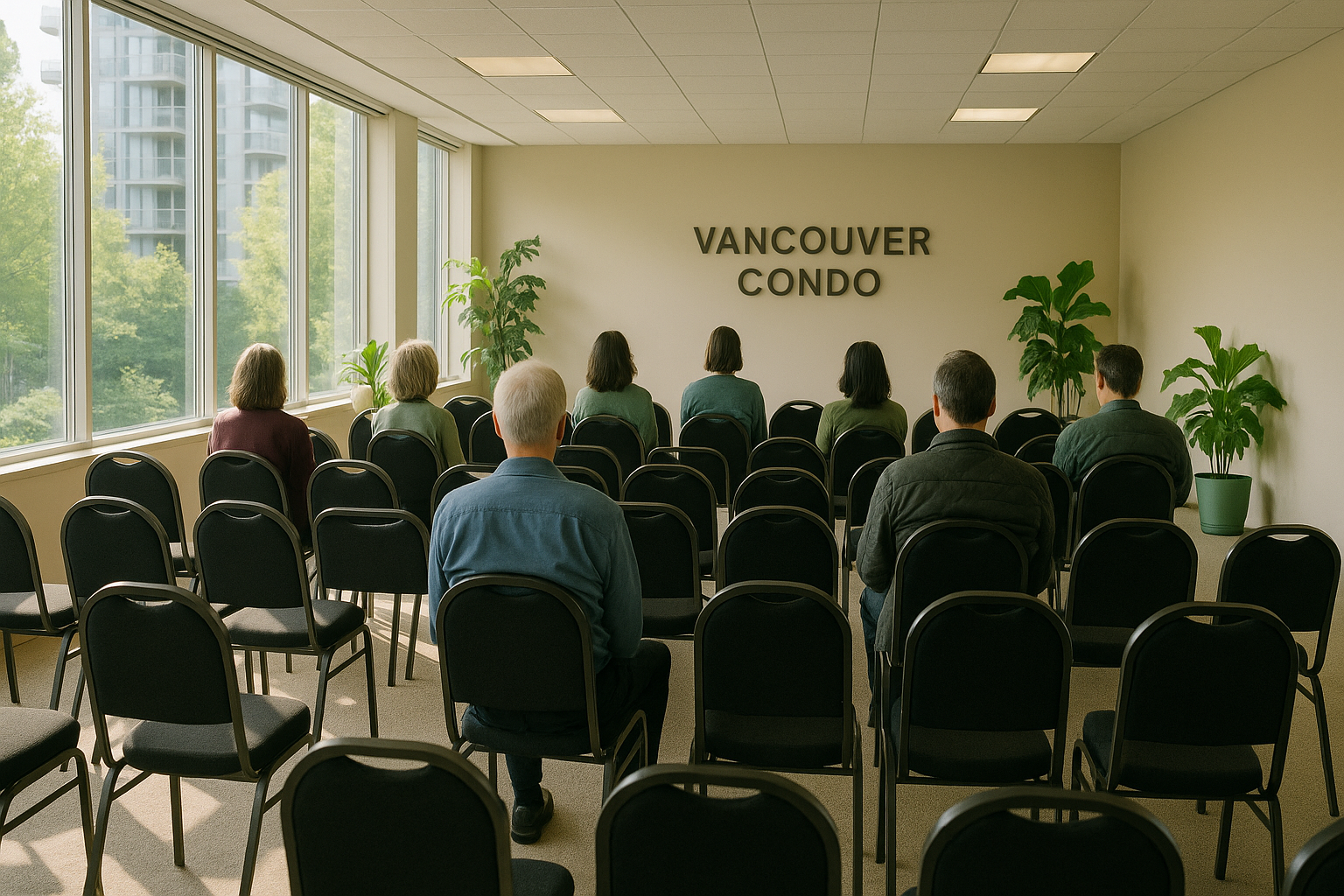
Strata meeting attendance shows how involved owners are in their building’s decision-making. Low turnout may signal apathy, distrust, or barriers to participation. This can mean fewer voices shaping important decisions, like special levies or bylaw changes, and could point to future challenges in funding repairs or maintaining the property.
How do you find attendance information in strata documents?
Attendance is usually listed at the start of AGM and SGM minutes, along with the number of units represented. In BC, minutes must record whether quorum was met, often with a breakdown (e.g., 26 of 68 units present in a Vancouver East building). If attendance numbers are missing, that’s a red flag—ask for more details from the seller or agent.
What risks do buyers face if attendance is always low?
Consistently low meeting attendance can delay decisions or leave control to a small group. Key risks include:
- Difficulty passing levies or budgets
- Poor oversight of council actions
- Limited input on maintenance or bylaws
- Higher chance of disputes or legal challenges
In some Lower Mainland buildings, repeated lack of quorum means AGMs get rescheduled, creating uncertainty about finances or governance.
Can low attendance be a temporary spring issue?
Yes, spring is AGM season, but busy schedules or poorly communicated meetings can cause temporary attendance dips. However, if minutes show a pattern of low turnout over multiple years, that’s more concerning. Look for explanations: Was there an election? Disagreement over levies? Or just general disengagement?
What can buyers, agents, and strata councils do about low turnout?
Buyers and their agents should ask the seller or property manager about reasons for low attendance. Councils can boost participation by:
- Sending multiple meeting reminders
- Offering proxy voting options
- Holding meetings at convenient times/locations
- Explaining agenda items clearly in notice packages
Some Vancouver and Burnaby buildings now use hybrid (in-person + virtual) AGMs so more owners can attend.
Frequently Asked Questions
How does meeting attendance affect strata decisions?
Low attendance concentrates power in a few hands, making it harder to reflect the wishes of the wider ownership and potentially stalling important repairs or bylaw updates.
What is the minimum quorum for a BC strata AGM?
The Strata Property Act usually sets quorum at 1/3 of eligible voters present in person or by proxy, unless bylaws state otherwise. Without quorum, meetings may be adjourned and rescheduled.
Can a buyer request past AGM attendance records?
Yes, buyers (or their agents) can request recent AGM and SGM minutes, which should document attendance and whether quorum was reached. This is part of standard due diligence.
Is proxy voting common in BC strata meetings?
Proxy voting is common, especially for owners who live elsewhere or are busy. Proxies count toward quorum and can help ensure meetings proceed as planned.
Conclusion
Consistent low attendance at strata meetings is a warning sign for buyers—it hints at possible governance, communication, or community issues that can affect your investment. Before buying, review AGM and SGM minutes closely for attendance patterns and ask questions if numbers seem low or meetings were repeatedly adjourned. SearchStrata can help you quickly identify these patterns in complex strata document packages, saving you time and giving you peace of mind before you buy.