Quick Answer
Closing on a BC home around a long weekend can add unexpected challenges, such as delayed bank transfers and unavailable legal professionals. Buyers and agents should carefully check calendar dates—especially before holidays like BC Day—to avoid last-minute complications and ensure an efficient move-in. Always verify timelines with your lender, lawyer/notary, and Realtor before committing to a completion date.
Why Do Closing Dates Matter So Much in BC?
Your closing (completion) date dictates when legal ownership transfers and funds are exchanged. It’s not just a formality—mistiming can impact your mortgage funding, insurance, and even when you get your keys.
Missing a key date could mean extra costs, storage hassles, or a disrupted move. In busy markets like Vancouver or Victoria, timing is critical because professionals book up quickly. Many buyers assume any weekday will do, but local holidays and bank hours matter more than you might expect.
What Happens if Your Closing Lands Near a Holiday?
Closing a sale right before or after a statutory holiday—like BC Day—can lead to bank or legal office closures. This often means funds can’t transfer, documents can’t be registered, and keys can’t be released until the next business day.
BC’s Land Title Office and many notaries or lawyers are closed on statutory holidays and weekends. If your completion is set for a Friday before a long weekend, any mishap may delay closing until Tuesday, potentially costing you extra in interest or temporary accommodation. Always choose a date when all parties and services are fully operational.
How Do Completion, Possession, and Adjustment Dates Interact?
In BC, the completion date is when payment and title transfer occur; the possession date is typically when you get the keys, and the adjustment date relates to splitting costs like property taxes. These are often, but not always, consecutive and should be confirmed in your contract.
Buyers often mistake these as interchangeable, but lawyers/notaries require time to process paperwork after completion before you can move in. Especially around a holiday, allow at least a day between completion and possession to avoid moving-day stress. Many seasoned agents in Burnaby or Surrey recommend buffer days when long weekends or busy periods approach.
Tips for Choosing and Confirming Your Closing Dates
To avoid headaches, always double-check event calendars for statutory holidays and their impact on banks, lawyers, and service providers. Ask your Realtor and notary for blackout dates well in advance.
Here are key tips:
- Avoid completion on or right before a holiday or weekend.
- Build in at least one day between completion and possession.
- Confirm your lender’s funding cut-off dates.
- Have a contingency plan if delays arise.
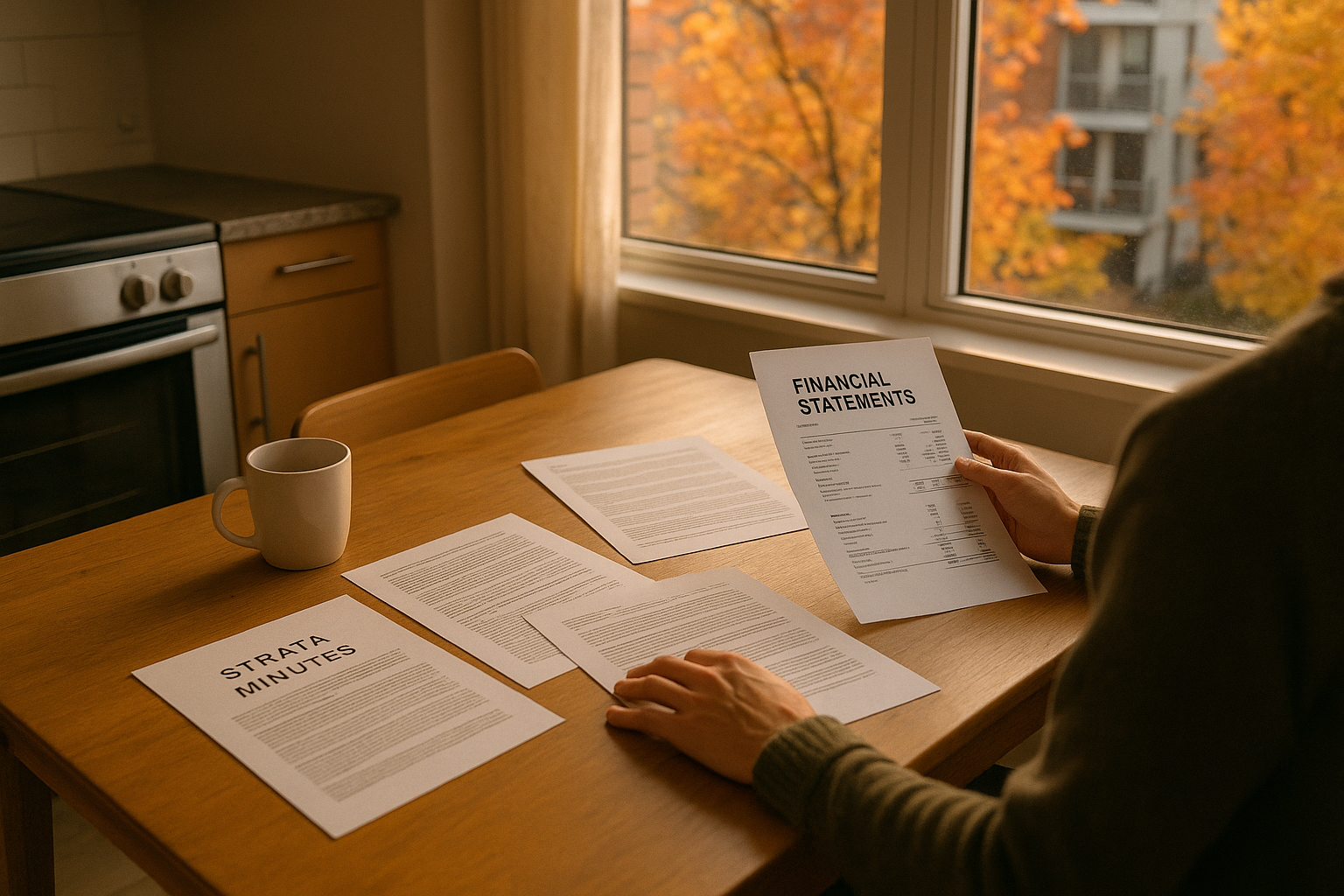
Early planning is crucial for buyers under school, work, or rental deadlines. If you’re buying a strata home, this is also when you’ll want to review your strata document package with SearchStrata to avoid last-minute surprises.
What If Something Goes Wrong on Closing Day?
Even with the best planning, delays can happen due to missed wire transfers, incomplete paperwork, or late title registration. Statutory holidays can turn minor issues into multi-day problems.
If your completion date slips, you could face extra interest, late fees, or have to arrange interim accommodation. Make sure your contract addresses what happens if completion is delayed beyond your control, and consult a BC real estate lawyer or notary for specific guidance. As always, verify requirements and deadlines with your professionals for your exact transaction.
Frequently Asked Questions
What is the difference between completion and possession dates in BC?
The completion date is when the property legally transfers to the buyer, while the possession date is when the buyer is allowed to move in; these dates are often, but not always, consecutive.
Can I close on a BC property during a statutory holiday?
Most legal, banking, and land title offices are closed during statutory holidays in BC, so closing typically cannot be finalized on those dates.
What happens if my completion date is delayed?
A delayed completion can result in interest charges, extra costs, or postponed possession; always consult your contract and professional advisors for remedies and options.
Should I avoid closing near long weekends or holidays?
Yes, it’s wise to choose closing dates that do not fall on or immediately before long weekends or holidays to avoid banking and legal delays.
How do I check for blackout dates for closing in BC?
Ask your Realtor, lawyer, or notary for a list of statutory holidays and office closures, and always confirm before locking in a completion date.
Conclusion
Getting your closing date right in BC—especially near long weekends like BC Day—can help you avoid costly delays and moving headaches. Always check holiday calendars, confirm timelines with your lender and legal team, and build in buffer days where possible. Planning ahead and reviewing all documents, particularly for strata purchases, can help you move in smoothly and with confidence. When it’s time to review your strata documents, consider using SearchStrata for a fast, clear analysis so you can focus on the big picture.