Quick Answer
In a BC home purchase, the deposit is typically due within 24 hours of offer acceptance, held in trust by the buyer’s Realtor’s brokerage or lawyer/notary, and is generally refundable if you back out during a legal subject period or the Home Buyer Rescission Period. After subjects are removed, the deposit is usually non-refundable, though rare exceptions may apply.
When is a deposit required in a BC home purchase?
A deposit is usually required within 24 hours of an accepted offer in BC, though some contracts specify 2-3 business days. Buyers and agents should check the contract for the exact deadline, as failure to pay on time can void the deal or let the seller walk away.
In fast-moving markets like Vancouver or Surrey, sellers may prefer a deposit 'upon acceptance' to show seriousness. For presale or new builds, timelines may differ; always confirm with your agent.
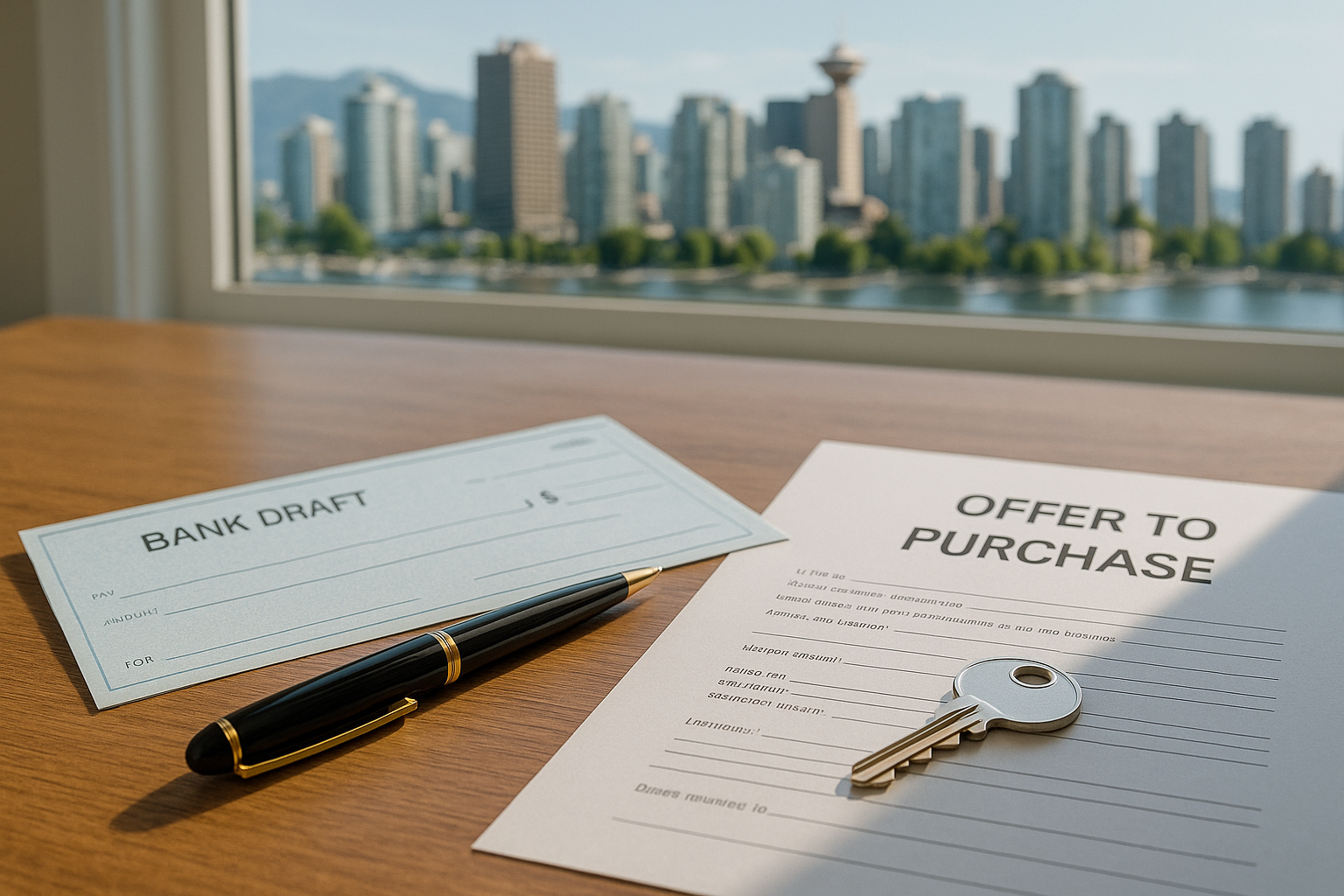
The deposit is typically provided as a bank draft or certified cheque, not personal funds. Wire transfers are sometimes allowed, but processing times can create complications. Plan banking logistics early, especially if you bank online or are out of province.
Be prepared: if you’re house-hunting with the intention to write offers, know your liquidity and have access to the deposit amount to avoid last-minute stress.
How much is a typical deposit, and why does it matter?
A typical deposit in BC is 5% of the purchase price, but this can range from $10,000 to over $100,000 depending on location and market pressure. The amount signals to the seller that you are a committed and qualified buyer.
In competitive situations, a larger deposit can strengthen your offer, especially in sought-after areas like Burnaby or Victoria. However, more is not always better; only commit what you’re comfortable risking should you breach the contract.
Remember, the deposit forms part of your total down payment. For example, if you’re buying a $900,000 condo with a 20% down payment and place a $45,000 deposit, only $135,000 more is due on completion, not $180,000.
If you’re uncertain how much is expected for your target area, discuss with your Realtor and review recent deals in neighbourhoods like Richmond or Coquitlam.
Who holds the deposit, and how is it protected?
The deposit is almost always held in trust by the buyer’s Realtor’s brokerage or, in some cases, a lawyer or notary—a legal requirement under BC real estate rules. This means the funds are segregated and not accessible to the seller until closing.
Brokerages must follow the Real Estate Services Act, which mandates separate trust accounts and strict record-keeping. If the deal collapses, the money can’t be released without a mutual release signed by both parties.
Only rarely is a deposit given directly to a seller (called a ‘stakeholder deposit’), and most agents strongly advise against this due to risk. Always confirm trust account details in the Contract of Purchase and Sale.
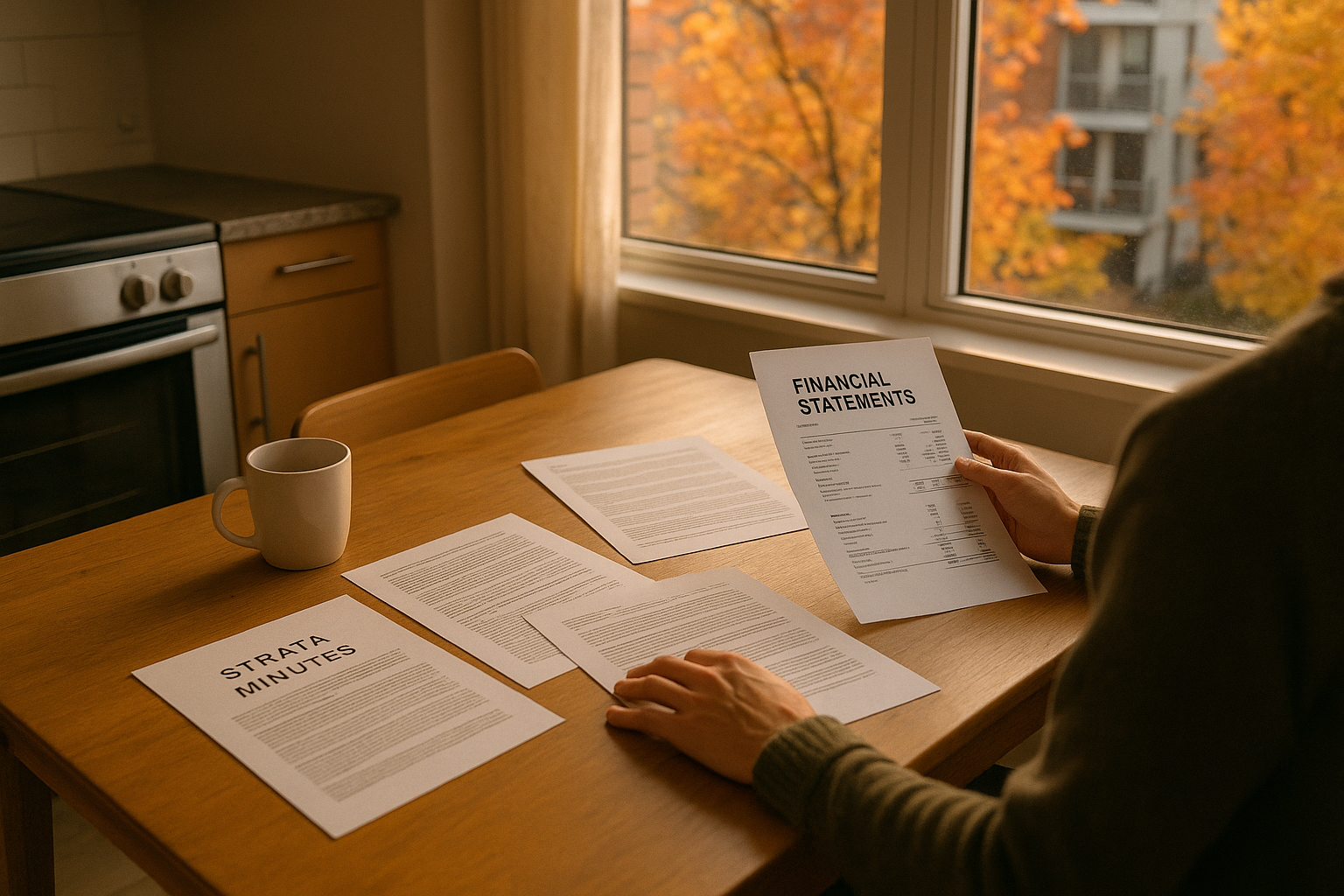
For condos and townhomes, after your offer is accepted you’ll need to review documents—using a service like SearchStrata can ensure you have all the facts before going “firm” and risking your deposit.
When is the deposit refundable—and when is it not?
If you have an accepted offer subject to financing, inspection, or other conditions, the deposit is refundable if you back out for a valid reason within the subject period. The Home Buyer Rescission Period also gives you a short window (typically 3 business days) to cancel in most transactions, and your deposit is returned (minus any small rescission fee).
Once subjects are removed (making your offer “firm”), the deposit is at risk. If you default after this point, the seller can usually claim the deposit as liquidated damages. However, if the seller defaults, you usually get your deposit back.
Disputes do occur—for example, if one party claims the other breached the contract—so the brokerage may require both sides to sign a release before returning the funds. Legal advice can help in complex scenarios.
For more on the cooling-off period and contract timelines, see Home Buyer Rescission Period (Cooling-Off Period) in BC: What to Know for Spring 2026.
What are best practices for managing your deposit?
Ensure your deposit funds are accessible in advance and confirm with your bank if a large draft or wire is needed—especially for quick turnarounds in active markets. Delays in providing the deposit can jeopardize your deal.
Always verify deposit instructions and trust account details before handing over money. Scams targeting buyers do occur, typically via spoofed emails. Confirm details verbally with your Realtor or the brokerage office.
Keep written records of your deposit delivery (receipts, copies of the draft, etc.). When in doubt, ask questions—your agent or notary can clarify how the funds will be handled and what to expect at each step.
If your purchase involves a condo or townhouse in New Westminster, reviewing the strata documents thoroughly before subject removal is crucial. Document review is a critical point where platforms like SearchStrata can save time and catch issues before your deposit becomes non-refundable.
Frequently Asked Questions
Is my BC home buyer deposit always refundable if I back out?
A deposit is usually refundable if you withdraw for a valid reason during the subject period or cooling-off period, but becomes non-refundable once subjects are removed.
Where is my deposit kept during the transaction?
The deposit is held in trust by the buyer's Realtor's brokerage or a lawyer/notary and cannot be accessed by the seller until completion or mutual release.
What happens if I can't provide the deposit on time?
Failing to provide a deposit by the contract deadline can allow the seller to cancel the deal or pursue other remedies, so timely payment is essential.
Can the seller keep my deposit if the deal doesn't close?
If you default after subject removal, the seller may claim your deposit, but disputes sometimes require mutual agreement or court involvement to release funds.
Is the deposit included in my down payment for the mortgage?
Yes, the deposit is part of your total down payment; it's credited toward your required down payment on closing.
Conclusion
A solid understanding of deposit timing, security, and refundability gives you more confidence in BC's fast-moving real estate market. Prepare your funds in advance, know the exact contract terms, and protect your interests by working closely with your agent. If you're buying a condo or townhome, make sure to review all strata documents thoroughly before subject removal—using a tool like SearchStrata can help you analyze your strata package and avoid costly surprises.