Quick Answer
A home inspection in BC gives buyers crucial insight into a property's condition before subject removal. Prioritize roof, foundation, plumbing, electrical, moisture issues, and strata records (if applicable). Use inspection findings to renegotiate, walk away, or plan repairs—always consult qualified professionals, and verify current industry standards and rules.
Why is a home inspection so important for BC buyers?
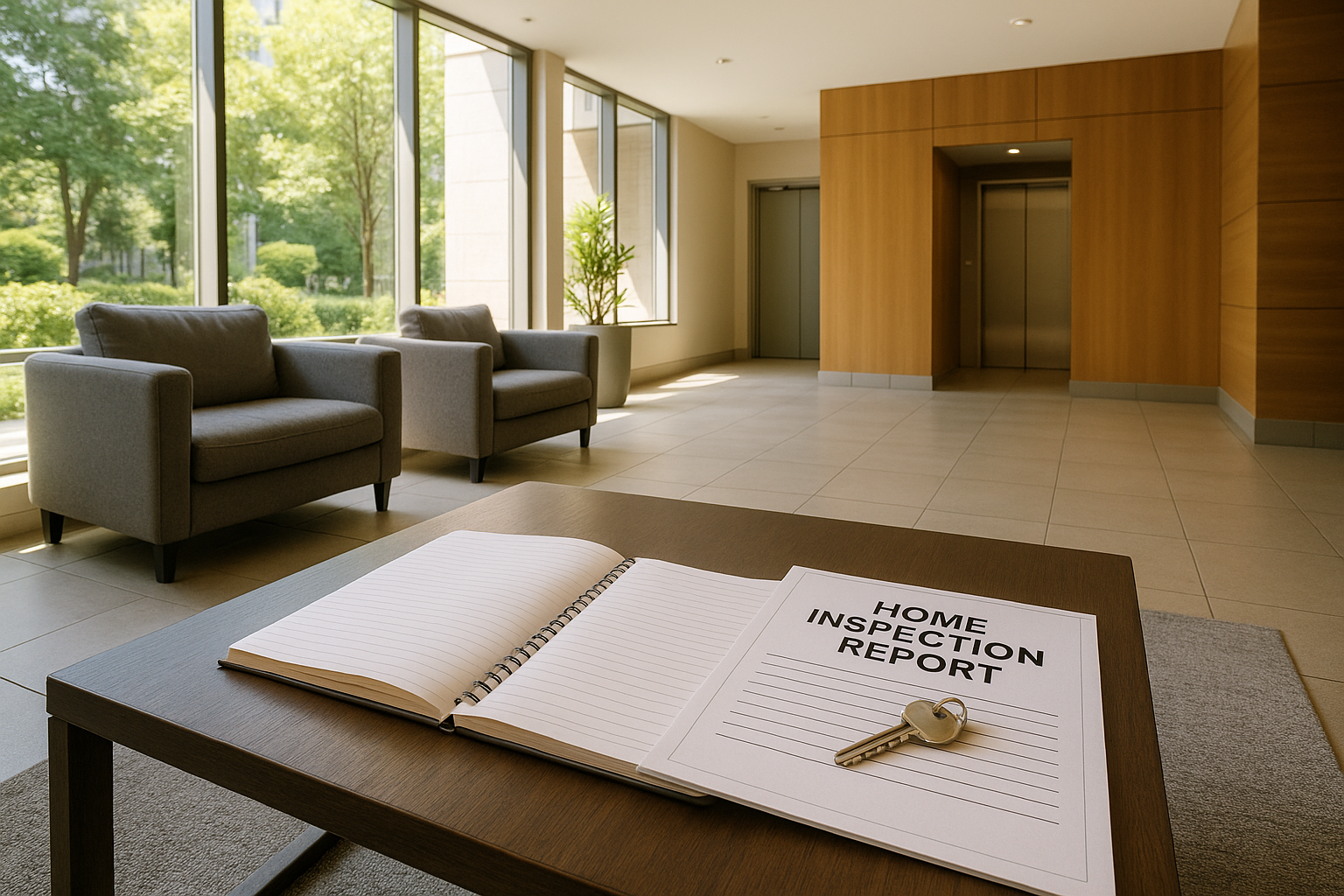
A home inspection protects buyers by revealing hidden defects or future expenses. In BC's competitive markets, skipping or rushing this step leaves you exposed to costly surprises. Inspections can uncover major issues—such as outdated wiring, drainage problems, or building envelope failures—that are common in Vancouver, Victoria, or Burnaby homes and condos.
What does a BC home inspector actually check?
A BC home inspector reviews visible components of a property, including roof, structure, plumbing, electrical, heating, and insulation. They assess for moisture, foundation cracks, window and door function, and safety hazards. Inspectors typically don't open walls or test for hazardous materials, so buyers should confirm what is covered in the inspection contract and consider specialized testing if needed.
How should buyers use inspection findings in negotiations?
Inspection results can be used to renegotiate price, request repairs, or adjust contract terms before removing subjects. If significant issues like roof leaks or faulty wiring are found, buyers sometimes negotiate credits or fixes from the seller. In cases where defects are severe or the seller won't cooperate, buyers may choose to walk away during the subject period to avoid future risk.
What makes condo inspections different from freehold homes in BC?
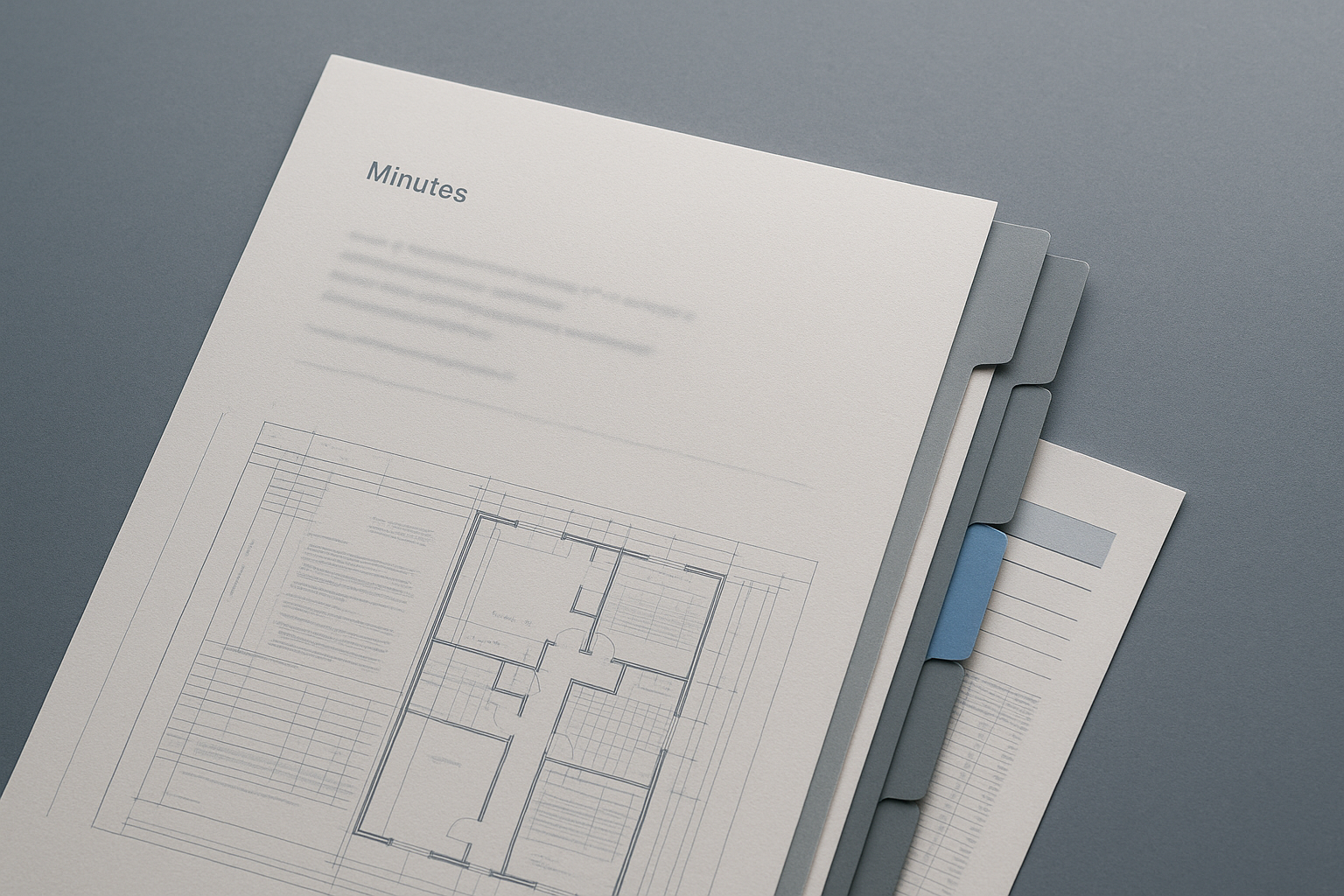
A condo inspection focuses on the unit's interior and visible systems, but the building exterior and common areas are managed by the strata. Buyers should supplement a physical inspection with careful review of recent strata minutes and depreciation reports to check for major building issues. Using a service like SearchStrata can help you analyze strata documents alongside your inspection for a more complete picture.
When does a home inspection happen in the BC buying process?
A home inspection is typically arranged after an offer is accepted and before subject removal. Buyers usually have several business days to complete their due diligence, which may be tight during busy periods or around holidays like Canada Day. Planning ahead and coordinating with your Realtor and inspector ensures you don’t miss critical issues or deadlines.
Frequently Asked Questions
Can I attend the home inspection in BC?
Yes, buyers are generally encouraged to attend their home inspection in BC. This allows you to ask questions, see issues firsthand, and learn about ongoing maintenance.
Are home inspections mandatory in BC real estate?
Home inspections are not required by law in BC, but they are strongly recommended for buyers to assess potential risks and costly repairs before committing to a purchase.
What if my BC inspection finds asbestos or mold?
If asbestos or mold is suspected, get advice from a qualified specialist. These issues can be serious, require professional remediation, and may impact your decision to proceed.
Do I need an inspection for a new build in BC?
While new homes may have warranty coverage, many buyers still choose to inspect for incomplete work or construction defects. Always confirm the builder's warranty details.
How much does a typical BC home inspection cost?
Inspection costs vary by property size and location but usually range from several hundred to over a thousand dollars. Confirm pricing and scope in advance with your inspector.
Conclusion
A thorough home inspection is one of your best safeguards as a BC buyer, helping you spot risks, budget for repairs, or negotiate with confidence. In condos, combine inspection insights with a careful review of strata minutes and building reports—tools like SearchStrata can save you time and uncertainty here. Always verify what’s included in your inspection, know your deadlines, and use your findings to make informed, confident decisions.