Quick Answer
Before writing an offer on a BC strata property, carefully review all available strata documents—such as meeting minutes, financials, the Form B, depreciation reports, and bylaws—to spot dealbreakers like upcoming special levies, low contingency funds, litigation, insurance issues, or bylaw restrictions that conflict with your needs. Identifying red flags early lets you avoid costly surprises and decide with confidence whether to proceed, negotiate, or keep searching.
Why Review Strata Documents Before Making an Offer?
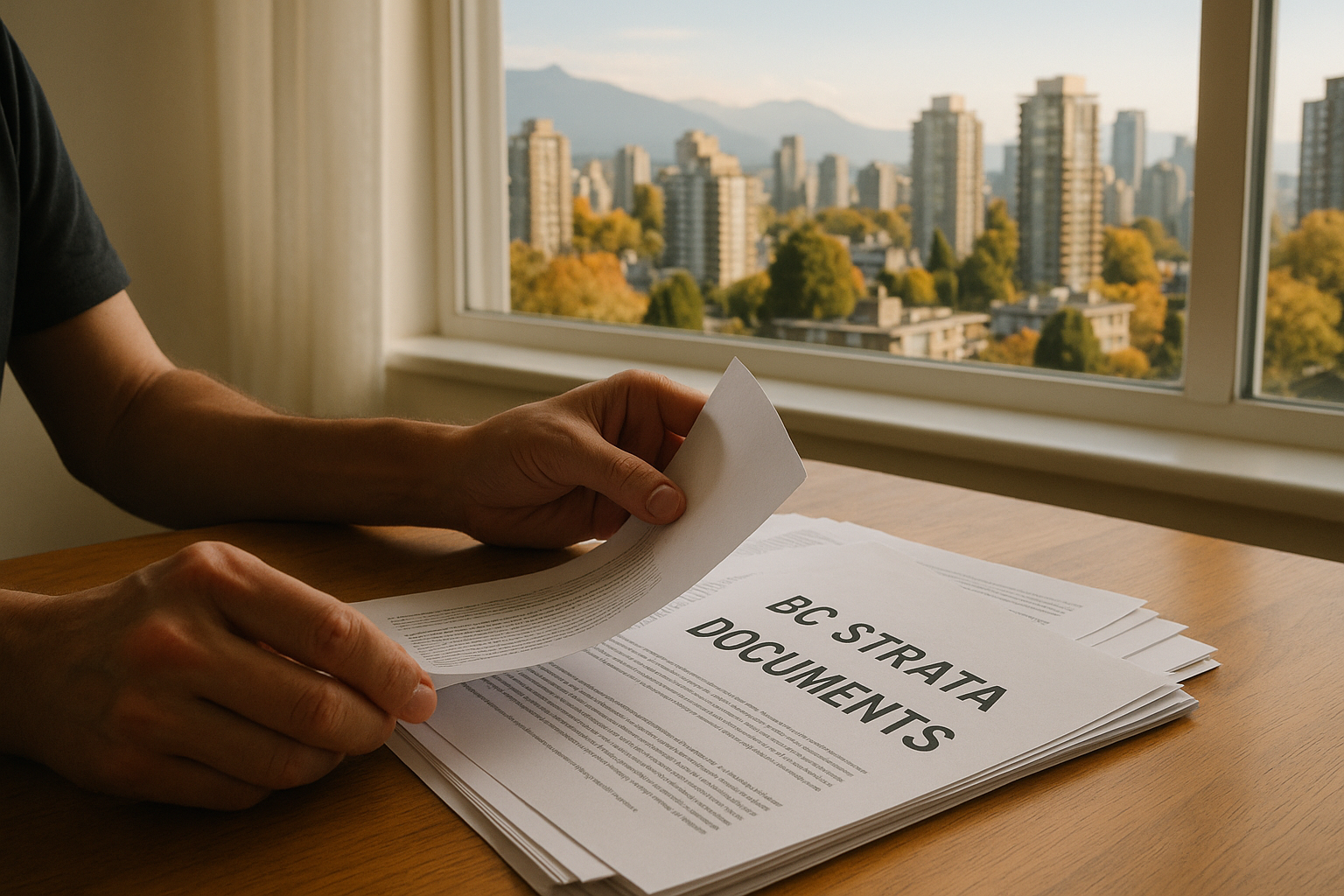
Reviewing strata documents before making an offer gives you a clear picture of the building’s financial health, risk profile, and rules—long before you’re committed. Many buyers wait until their offer is accepted, but by then, emotions (and sometimes pressure from competing offers) can cloud judgment. Instead, a pre-offer review helps you:
- Spot major issues early—especially upcoming levies or lawsuits.
- Avoid wasting time on properties that don’t fit your needs or risk tolerance.
- Strengthen your offer by showing you’re informed and serious.
In markets like Vancouver, where inventory can be tight, this due diligence is a critical edge for buyers who want fewer regrets.
Which Strata Documents Reveal the Biggest Dealbreakers?
The key documents to review before any BC condo purchase are:
- Form B Information Certificate (current snapshot of financials, bylaw amendments not yet filed in the land title office, insurance coverage, and parking/storage allocation)
- Recent AGM/SGM and council meeting minutes (at least 2 years, more if possible)
- Financial statements and operating budgets (to gauge cash flow and spending discipline)
- Depreciation report (required for most strata corporations—check the latest rules)
- Current bylaws and rules (especially pet, rental, and age restrictions)
Minutes and depreciation reports often hide the biggest red flags—like deferred maintenance or talk of looming special levies—while the Form B points to current financial liabilities. Always verify you have the most recent documents, especially for properties in Burnaby or Richmond, where building ages and standards vary.
What Red Flags Should a Buyer Look For?
Common dealbreakers in strata documents include:
- Special levies: Recently approved or discussed upcoming assessments for repairs—these can mean large out-of-pocket costs soon after purchase.
- Low contingency reserve fund (CRF): Insufficient savings for future repairs signals higher risk of surprise levies.
- Unresolved lawsuits or significant insurance claims: Ongoing litigation or insurance issues can affect property values and resale.
- Restrictions in bylaws: Limits on pets, rentals, or renovations may not align with your needs.
- Deferred maintenance or major building repairs: Notes in minutes about repeat issues (e.g., water ingress, elevator breakdowns, leaks) indicate risk.
For a deeper guide on reviewing these specifics, see How to Vet Strata Bylaws, Restrictions, and Reserve Fund Health Before You Offer in BC.
How to Interpret Financials and the Depreciation Report
Start by checking if the contingency reserve fund balance is healthy relative to expected repairs in the depreciation report—but remember, what’s "healthy" depends on the building’s age and size. A low reserve and a report calling for major work soon are a red flag.
Financial statements should show consistent contributions to reserves and an operating budget that’s not running a deficit. The depreciation report (which most BC stratas must update regularly—always verify your building’s current requirement) outlines upcoming repair costs and timelines. If the building is putting off essential work or the funding plan is vague, be wary.
In Surrey and Victoria, older buildings in particular can hide large, looming costs beneath the surface of their documents.
Can You Rely on Subject Removal to Catch Problems Later?
The subject-removal window is useful, but not a safety net for issues you could have spotted pre-offer. Most BC buyers add a "subject to strata document review" condition, but this period is short and stressful—especially if you’re already emotionally invested.
Uncovering major issues at this stage can mean losing your deposit, scrambling for financing, or renegotiating. That’s why experienced agents recommend flagging dealbreakers early, before you write. Tools like SearchStrata can help you analyze packages for hidden risks fast—so you enter the offer game with eyes wide open.
Frequently Asked Questions
What is the Form B and why does it matter for BC buyers?
The Form B Information Certificate summarizes key strata information like financials, any bylaw amendments not yet filed in the land title office, and parking or storage allocations, with the rules, current budget and most recent depreciation report attached. It’s essential for buyers because it discloses liabilities, insurance coverage, and restrictions that can impact your ownership.
Can I trust strata minutes to reveal all upcoming repairs?
Strata minutes are the best source for clues about upcoming repairs, but not all issues are always discussed transparently. Look for repeated mentions of problems, engineering reports, or discussions about quotes and repairs to spot patterns.
What happens if I find problems after my offer is accepted?
If you included a subject to strata document review, you may be able to walk away or renegotiate. Without this, you could be obligated to complete the purchase, even if there are unexpected costs or restrictions—so pre-offer review helps avoid this risk.
How current do my strata documents need to be?
You should ask for the most recent versions of all documents—especially the last two years of minutes and the latest Form B. Requirements can change, so confirm with your agent or lawyer what is considered current for your transaction.
What if I’m not sure how to interpret strata financials or the depreciation report?
If you’re unsure, consider consulting your Realtor, a BC strata lawyer, or using a service like SearchStrata for analysis. These professionals can help clarify risks and provide context for what’s typical in your market.
Conclusion
Carefully reading BC strata documents before you write an offer helps you avoid costly surprises, protects your deposit, and gives you the confidence to pursue the right property. Look for signals in the Form B, minutes, financials, depreciation report, and bylaws that would be difficult or impossible to address after you’re committed. With the right approach—and the help of tools like SearchStrata—you can move forward with clarity and peace of mind.