Quick Answer
Strata minutes and AGM packages offer the best window into how a building is actually run: decisions made, risks discussed, budgets set, and levies considered or deferred. While Form B provides a snapshot of financial and legal disclosures, the minutes and AGM materials reveal context and emerging issues that formal certificates won’t capture. Reading these documents the way a council member would—looking for patterns, gaps, and what’s left unsaid—can surface warning signs or provide real confidence in how the building is managed.
Why Minutes Matter: The Building’s Working Memory
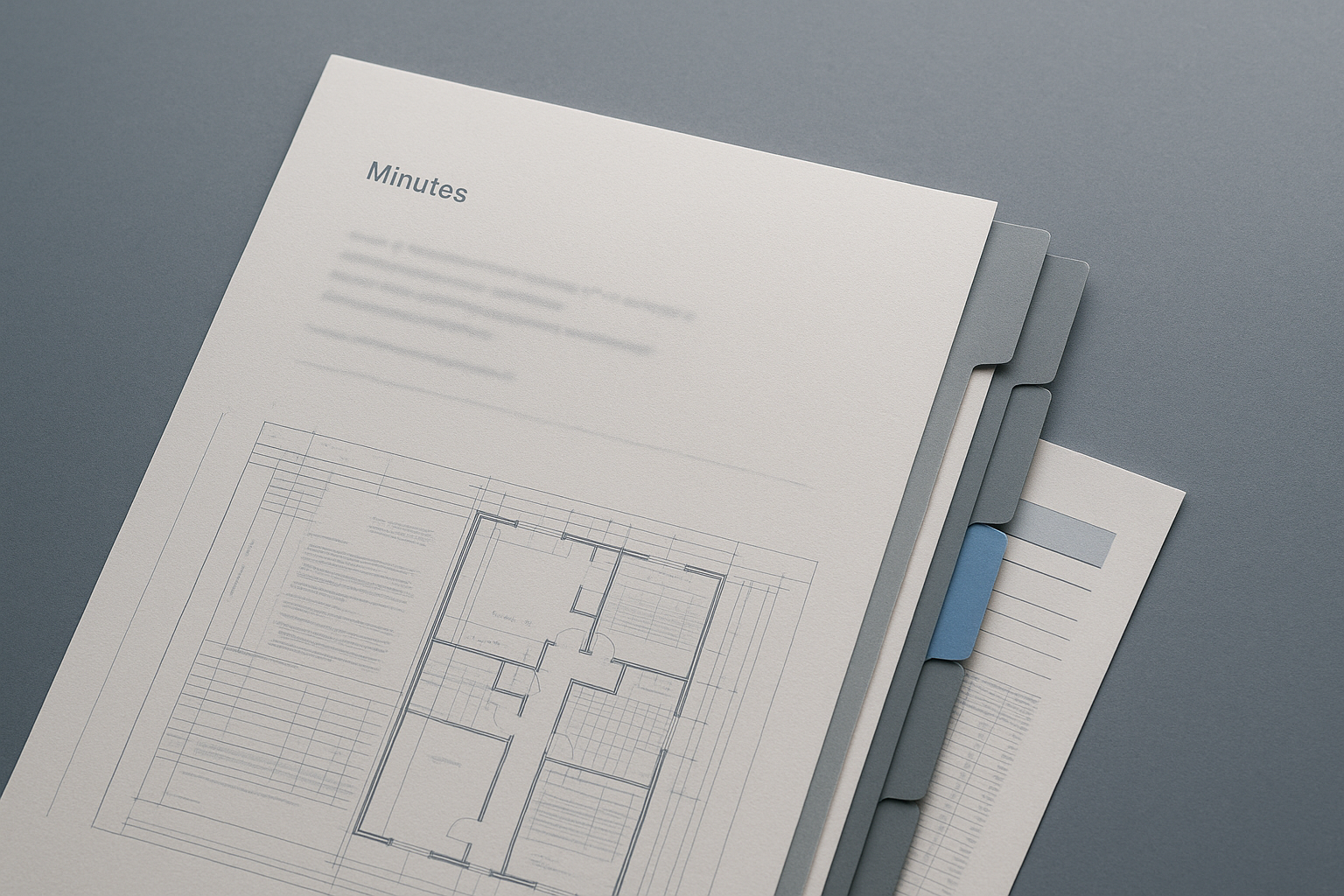
Minutes are the official record of what strata council and owners discussed and decided. They capture recurring repair issues, engineering reports, legal updates, and controversies that might not (yet) appear on Form B or in the depreciation report. For buyers and owners alike, minutes from both council meetings and AGMs reveal:
- Recurring repairs (e.g., repeated elevator shutdowns in a Burnaby high-rise)
- Emerging project plans (like a future exterior repaint)
- Potential special levies, even if not formally voted on
- How council addresses owner complaints and enforcement
If you spot the same leak or dispute surfacing over several months, it’s a signal to ask deeper questions or consult a professional.
The AGM Package: More Than Just an Agenda
The AGM package is the annual snapshot of the strata’s priorities and financial health. It usually includes the proposed budget, past meeting minutes, and any resolutions requiring a 3/4 or unanimous vote. Reading it closely reveals:
- Planned increases in strata fees and their drivers
- Proposed special levies, with the amount, purpose, allocation, and due date clearly stated (as required by the Strata Property Act)
- Bylaw amendments up for vote, and whether they’ve been filed in the Land Title Office (as required for them to take effect) or are just passed
Owners and buyers should review these documents to see not just what’s planned, but how council communicates and consults with the ownership.
Reading Between the Lines: What’s Not Explicitly Stated
Minutes and AGM documents sometimes say as much by omission as by what’s written. If the depreciation report recommends work but there’s no mention in the minutes or AGM agenda, it may signal a deferral or a funding challenge. Lack of detail on insurance claims, unresolved legal disputes, or a vague reference to “discussion deferred” are flags worth following up. Patterns of short, generic minutes may suggest a council that records the bare minimum, which can hinder transparency for owners—and for buyers during subject removal.
Tracking Levies, Reserve Fund Health, and Major Projects
Special levies and contingency reserve fund (CRF) balances are key signals of future financial demands. Minutes and AGM packages reveal whether:
- Levies have been proposed or discussed but not yet voted on
- CRF spending is planned, and if 3/4-vote approval is on the agenda
- Large projects (e.g., roof replacement in Surrey) are being planned, deferred, or repeatedly tabled
Comparing the minutes, budget, and depreciation report can reveal gaps between what’s recommended and what’s budgeted. This is where document analysis tools like SearchStrata can help owners and buyers see the full trajectory.
Litigation, Insurance, and Bylaws: Where to Look for Hidden Risks
Minutes and AGM packages will usually note if the strata is involved in litigation, considering bylaw changes, or has made an insurance claim—though the level of detail varies. Form B must disclose known claims and bylaw amendments that are passed but not yet filed, but only minutes will capture the debate and context.
For example, a reference to "legal counsel retained" or "insurance deductible discussed" in the minutes is a prompt to dig deeper, especially if it keeps recurring. Bylaw changes only take effect when filed in the Land Title Office, and unfiled amendments are unenforceable; Form B must disclose amendments that have been passed but not yet filed, so note if an amendment is pending. These documents help owners and buyers anticipate issues that may not yet show up in official disclosures.
Frequently Asked Questions
What should I look for first in strata minutes?
Start by scanning for repeated topics such as ongoing repairs, pending projects, or legal matters. Patterns over several meetings can indicate unresolved issues or looming costs.
How many years of minutes should a buyer review?
Most buyers review at least two years of strata council and general meeting minutes. More may be helpful for larger or older strata corporations, but confirm with your real estate professional.
Does Form B show everything I need to know about a strata?
Form B discloses key financial and legal facts as of its date, but it doesn’t capture all emerging risks or recurring issues. Reading minutes and AGM documents reveals important context.
What if the AGM package omits a major project discussed elsewhere?
If there’s a disparity between the depreciation report or prior minutes and the AGM documents, follow up with the seller, strata manager, or council for clarification before removing subjects.
Can I get strata documents directly as a buyer?
A prospective buyer does not have a direct right to strata records; they must request them through the seller or with the seller’s written authorization, ideally before subject removal.
Conclusion
Strata minutes and AGM packages are where a building’s reality surfaces—projects looming, disputes brewing, and the direction set for the next year. Reading them carefully, and comparing with financials and the depreciation report, helps owners and buyers understand what’s actually happening and what might be just around the corner. If you’re reviewing a thick document set under a deadline, tools like SearchStrata can help extract key risks and patterns quickly, so you can make a more confident decision.