Quick Answer
A BC strata building’s structure, era, unit count, management, and remediation history can be pieced together from public records before the strata documents arrive. By cross-checking land title, BC Assessment, strata plan filings, and municipal open data, buyers and realtors can identify the building’s materials, year built, how many homes are inside, who manages it, and what major work has already been done—all without needing an account or special access.
Where Do You Find a Building’s Structure and Age?
A strata building’s structure (wood-frame, concrete, or hybrid) and age are often listed in municipal open data, BC Assessment, and MLS listings. Land title records and the original strata plan also show the legal creation date, which isn’t always when construction finished. For example, a Vancouver condo completed in 1997 might have its strata plan filed a few months before or after occupancy. Cross-checking several sources gives the truest picture of when the building was actually built and what materials were used.
How Does Construction Era Affect What to Watch For?
The building’s era hints at envelope risks, construction techniques, and what to expect in the public record. Wood-frame condos built between the late 1980s and early 2000s in Metro Vancouver are known for leaky condo risks, while most post-2000 buildings have rainscreen assemblies. High-rise towers from the 1970s and 1980s are usually concrete and may face elevator or piping renewal. Checking the era, not just the year, in sources like BC Assessment and municipal data can flag what remediation or upgrades might be relevant.
How to Tell How Many Storeys and Units a Strata Has
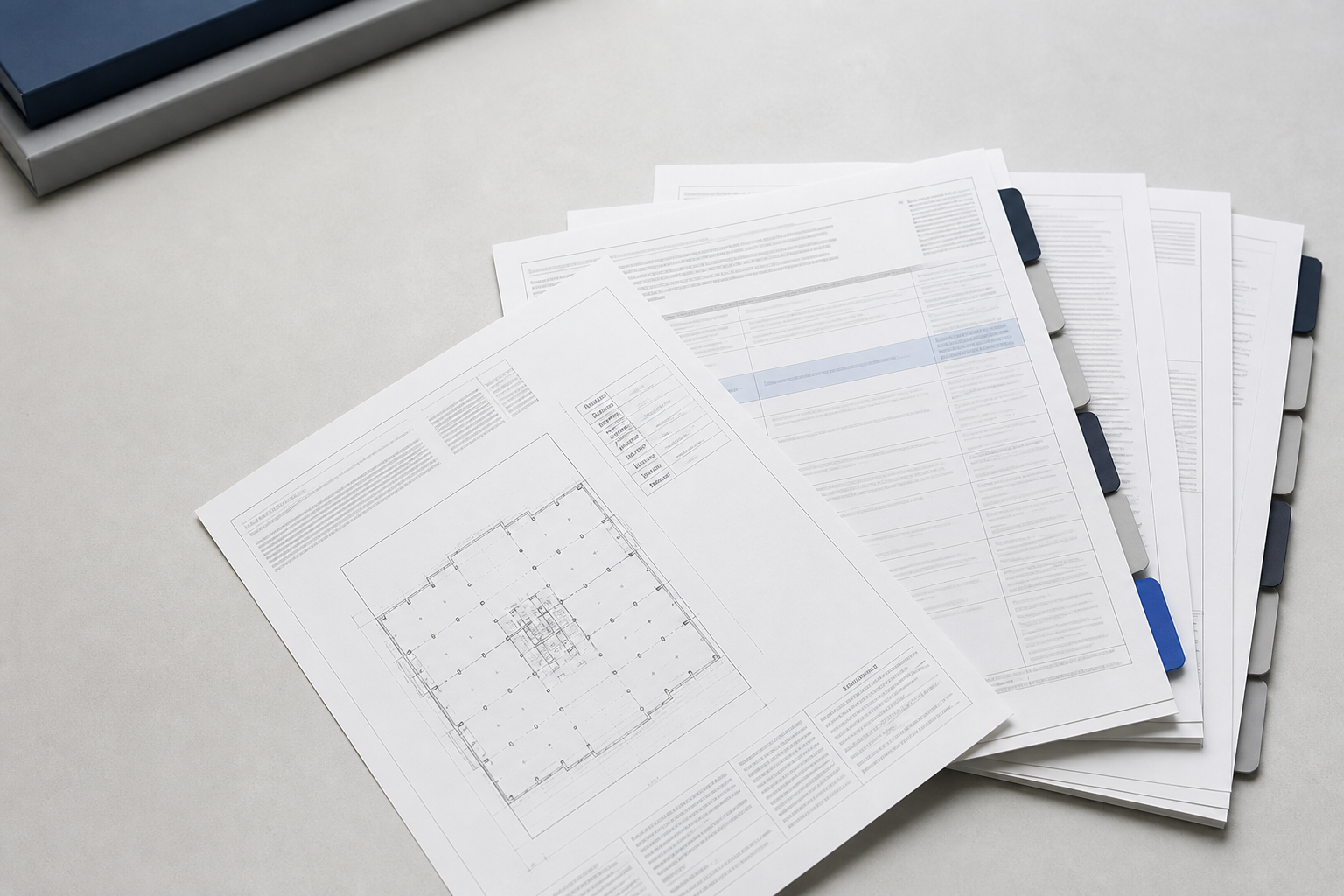
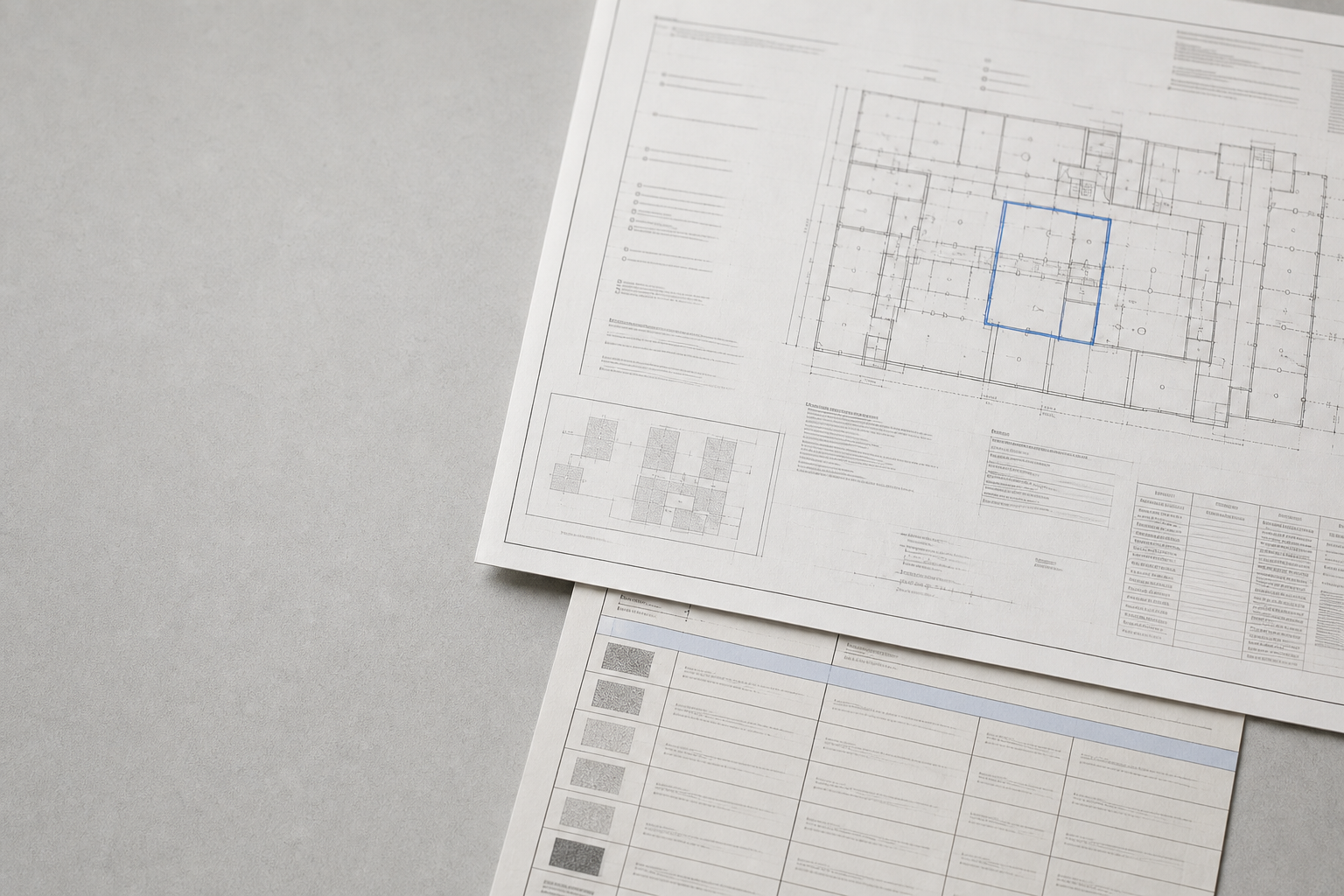
Public sources like BC Assessment and municipal open data often list the number of storeys and units for each building. In Burnaby, for instance, city open data sets out the building’s storey count and sometimes breaks down the mix of unit types. The original strata plan, available on file with the Land Title and Survey Authority, is the legal authority for unit and common property counts but can require a fee or order. Comparing these sources helps you spot discrepancies and see how dense or tall a building really is.
How Are Strata Buildings Identified in Land Title and Assessment Records?
Every BC strata building is assigned a unique strata plan number (such as LMS1234 or EPS1234), shown on title and in municipal records. Land title records use this plan number to define the legal boundary of the strata corporation, while BC Assessment references it for property tax and valuation. These numbers help you match MLS listings, open data entries, and the official plan, ensuring you’re looking at the right property before moving to strata documents. For more on cross-referencing identity, see How to Read a BC Strata Building’s Public Profile: Construction, Era, and Identity.
How to Find Out Who Manages the Building and What Has Been Remediated
Management company names and major remediation projects are sometimes visible in city open data, but more reliably found in news releases or public meeting minutes posted to municipal websites. Major projects—like leaky envelope remediation or elevator replacements—may show up in civic permits or BC Assessment notes (such as ‘remediated’ or ‘updated’). Searching the strata plan number alongside keywords like “remediation” or “management” can surface press articles or city notices about the building. Final details and ongoing maintenance are found in the strata documents themselves, but much of the headline work can be spotted before then by using public records and digital search tools.
Frequently Asked Questions
How do I find out what my strata building is made of?
You can check BC Assessment, municipal open data, and sometimes MLS listings to see if a building is described as wood-frame, concrete, or hybrid. The strata plan and public records can help confirm materials.
What years are considered 'leaky condo' era in BC?
Buildings constructed during the late 1980s to early 2000s, particularly wood-frame condos, are often described as being from the 'leaky condo era' in BC. However, this is an industry term rather than a legal definition, and you should verify the construction date and any known risks for a specific building from public records and qualified professionals.
How can I tell how many units or floors a building has without documents?
Public sources like BC Assessment and municipal open data typically report storey and unit counts. The original strata plan is the legal source but may require a search or order.
Who manages a BC strata building?
The management company is sometimes listed in municipal records, the building's website, or in meeting minutes posted publicly. Strata documents offer the latest details.
How do I know if a building has been remediated?
Major remediation might be mentioned in BC Assessment notes, city permit databases, or news articles tied to the building’s strata plan number. Strata minutes and engineering reports provide confirmation.
Conclusion
Understanding a BC strata building’s construction, era, size, and management is possible from public sources, before you see any strata minutes or financials. Cross-referencing land title, BC Assessment, municipal databases, and news search tools provides a robust profile of what you're considering buying. When you’re ready to look deeper, including reading all the minutes and engineering reports, SearchStrata offers a fast, free way to look up any BC strata building and see what the public record reveals.