Quick Answer
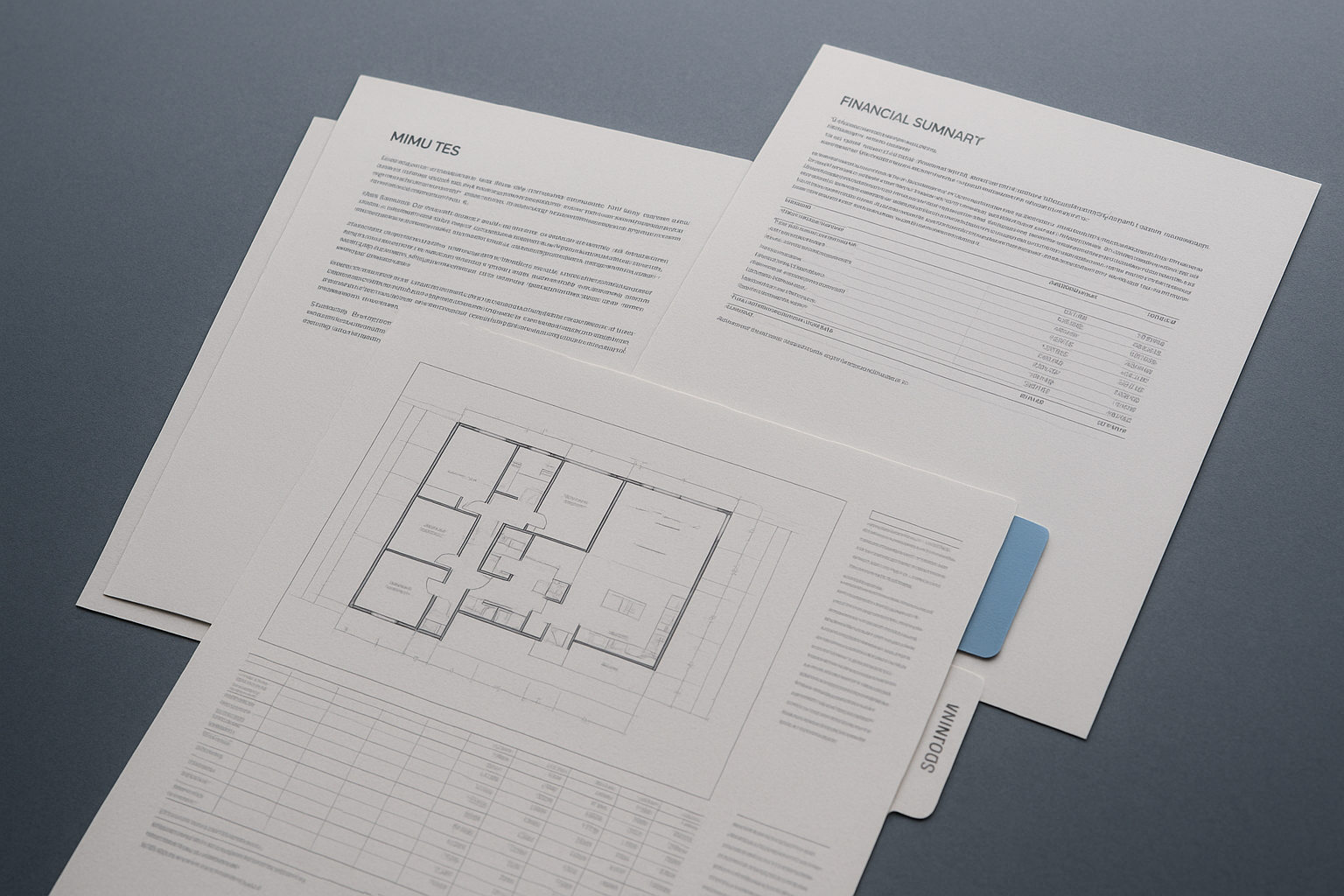
BC strata documents—minutes, financials, Form B, depreciation reports, and bylaw sets—reveal what the council has decided, what is being postponed, the financial position, current and looming special levies, legal issues, and more. For buyers inside the subject removal window, these records show the actual risks, patterns, and priorities of the strata corporation—often more clearly than any MLS listing or open-house chat. Careful review of these documents is crucial before finalizing your purchase.
Who This Is For: Buyers Facing the Subject-Removal Clock
This guide is written for BC home buyers who are holding a package of strata documents with a tight deadline during their subject-removal window. Whether you’re looking at a townhome in Burnaby or a condo in Richmond, the paperwork you’re reading is your best source of truth about the building’s health and direction. Realtors and buyers alike rely on these documents to spot financial pressures, deferred work, or disputes before lifting subjects.
Why Strata Minutes Are the Pulse of Decision and Delay
Strata council and general meeting minutes are where most crucial decisions, deferrals, and concerns are recorded in real-time. Minutes reveal not just what the council has resolved, but what issues keep resurfacing—like recurring leaks, engineering studies, or owner disputes. Patterns in the minutes, such as regular mention of envelope consulting or repeated discussions of a big-ticket repair, can signal future levies or disruptive work.
Financial Statements, Budgets, and the Contingency Reserve Fund Trajectory
A strata’s financial statements and annual budgets show how money is collected and spent, and how well the contingency reserve fund (CRF) is being managed. Look for trends in CRF balances: a dwindling CRF paired with known major repairs often points to special levies ahead. The budget reveals whether strata fees have been steadily increasing, holding flat, or if expenses are outpacing income—each with different implications for future assessments.
Form B: Your Official Snapshot and Its Limits
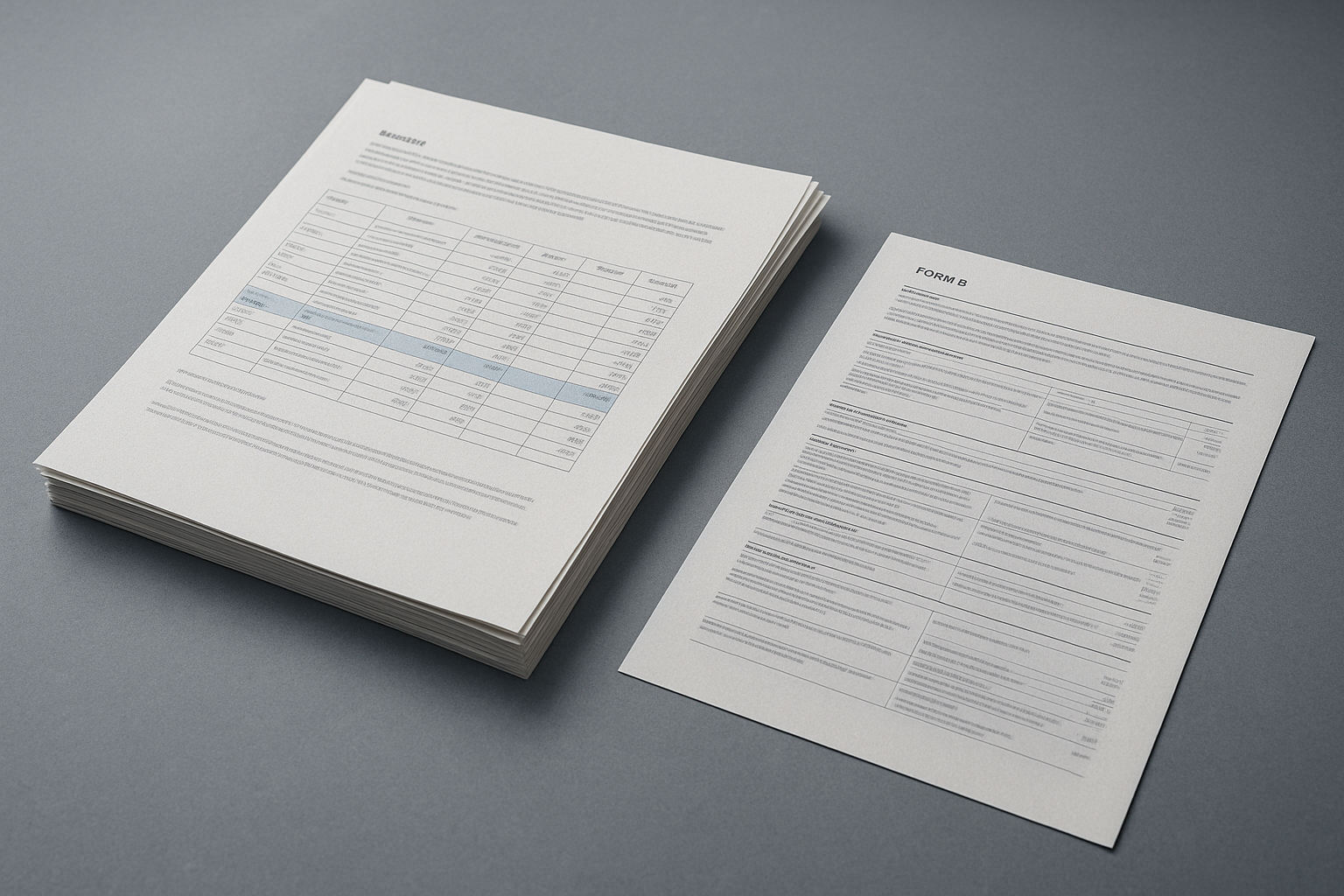
The Form B Information Certificate gives a formal summary of the strata lot’s monthly fees, any money owed, upcoming special levies, CRF balance, parking and storage rights, and more as of a specific date. It’s required at closing, but signals only what is officially known and disclosed at that moment. Form B also attaches vital documents: the current rules, budget, the most recent depreciation report, and any rental disclosures. Always read beyond Form B—minutes and correspondence fill in what Form B can’t capture.
Depreciation Reports and the Engineer’s Schedule
A depreciation report, required every five years for most strata corporations with five or more strata lots, projects future repair and replacement needs for common property. Strata corporations of four or fewer lots are exempt from this requirement. The five-year cycle is the current rule, and the previous option for owners to defer the report by annual 3/4 vote has been eliminated. The report is prepared by a qualified person and includes funding models to help plan CRF contributions and anticipate special levies. The report also outlines recommended timelines—if the next roof replacement is flagged for two years out but minutes reveal the council is still collecting quotes, that’s a sign of possible deferral. Confirm the depreciation report is current, and verify timelines with the strata manager or through the latest report.
How to Read for Litigation, Insurance, and Deferral Signals
Strata records must include notice of ongoing litigation, insurance claims, and decisions about major spending. Watch for references in minutes or Form B to lawsuits, insurance renewals, or high deductibles—these can affect both risk and costs for future owners. Deferred repair decisions, council notes about engineering opinions not yet acted on, or unresolved claims are red flags for upcoming financial surprises. Consider using SearchStrata to analyze these patterns quickly and compare buildings.
Frequently Asked Questions
What BC strata documents are most important for buyers?
The most important BC strata documents include council and general meeting minutes, financial statements, the Form B Information Certificate (with attachments), the depreciation report, bylaws and rules, and records of any current or pending litigation.
How far back should I review strata minutes and financials?
Buyers typically review at least two years of minutes and financial statements, but more history can give deeper insight into recurring issues or deferred projects. Always confirm with your real estate agent how much is provided in your document package.
Can a buyer request strata documents directly from the strata corporation?
Buyers do not have a direct statutory right to request strata records; the right belongs to the owner (seller) or someone they authorize. Most buyers receive documents through the seller or their agent.
What does the depreciation report tell me about upcoming levies?
A depreciation report offers projections for major repairs and replacement timing, which signal when levies might be needed. However, it’s a planning tool, not a binding promise, so verify details with the strata manager and compare to recent minutes.
Does Form B guarantee there are no upcoming special levies?
Form B discloses special levies that have been approved as of its date, but does not capture discussions or future proposals. Review recent minutes for signs of pending levies or major work still under discussion.
Conclusion
BC strata documents are the best indicator of a building’s financial health, council priorities, and the real risks or opportunities facing new owners. If you’re under the clock during subject removal, a close reading of minutes, financial statements, Form B, and the depreciation report is essential. To save time and spot hidden patterns, you can analyze your strata package quickly with SearchStrata before your window closes.