Quick Answer
Before starting any renovation in your BC strata unit, you need to check your building's bylaws, seek written strata approval, and confirm which changes require permission or additional insurance. Renovations that affect common property—such as flooring, plumbing, or walls—almost always require strata council approval, and failing to follow the strata’s process can have serious consequences. Review your strata’s rules and get approval in writing before any work begins.
Why Strata Renovations Aren’t Like Freehold Upgrades
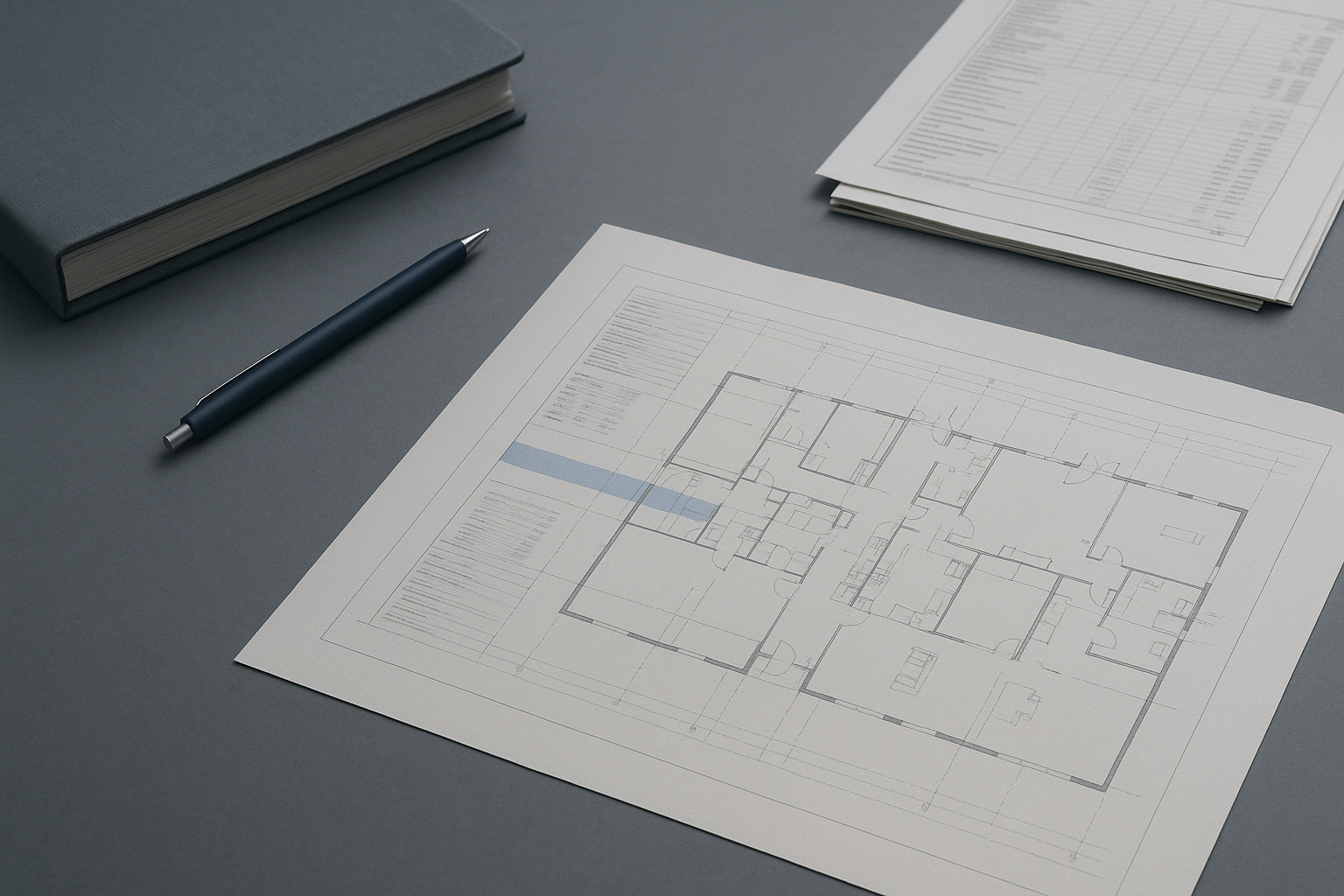
Renovating in a strata is different from owning a detached home because you share responsibility for common property, and your neighbours are impacted by noise, dust, and possible building damage. Most BC strata corporations have strict rules around alterations to ensure the building’s safety and to maintain harmony among residents. Even if you own your unit outright, you can’t simply start tearing up floors or moving walls. Common property boundaries, soundproofing, and plumbing stacks all affect what’s permitted. If you’re unsure where your unit’s property line ends and common property begins, refer to your building’s strata plan—or ask council or the strata manager for clarity.
Which Renovations Usually Require Strata Approval?
In BC, renovations that affect common property, building systems, or could disturb other residents almost always require advance strata approval. This includes changes like hardwood flooring, kitchen and bathroom overhauls, removing walls, windows, or balcony enclosures. Projects limited to paint, replacing appliances, or minor cosmetic upgrades may not—if your bylaws allow it—require approval, but it’s crucial to check your own strata’s rules. Some buildings in Vancouver and Burnaby have stricter rules than others. Approval will often come in the form of a written permission letter from the strata council or property manager, and may require owners to agree to terms such as noise limits or specific work hours.
How to Read Your Strata’s Bylaws and Policies on Renovations
Your strata’s bylaws set out exactly which renovations need formal approval, what documentation to provide, and any rules about noise and construction hours. Start by reading the alterations section of your most recent bylaws package (this is typically provided at purchase, or you can request a copy). Some strata corporations also have separate renovation policies, forms, or guidelines that must be followed. Look for rules about:
- Types of flooring allowed (hardwood vs. carpet)
- Permitted work hours and notice to neighbours
- Contractor insurance and licensing requirements
- Fees or damage deposits for renovations
Renovation rules can change, so always verify you have the latest version—especially if you last read the bylaws some time ago. For more on how bylaws shape your everyday rights and restrictions, see How to Understand and Influence Your Strata’s Rules and Bylaws as an Owner.
Strata Insurance, Liability, and Owner Risks During Renovations
Owners are often surprised to learn that insurance coverage during renovations isn’t always straightforward. Strata insurance usually covers the common property and common assets plus the buildings shown on the strata plan — including your strata lot and the fixtures the owner developer originally installed in it — but when work is being done inside your unit, the owner (and sometimes your contractor) is expected to have additional insurance in place. Your strata corporation may require proof of liability and construction insurance before granting approval. If your renovation causes damage to common property or other units—think water leaks or electrical issues—you could be responsible for the strata’s deductible and additional repairs. Always confirm with both your own insurance provider and the strata’s manager what’s required before work begins.
Renovation Deposits, Fees, and the Approval Process
Most BC strata corporations require a refundable deposit or non-refundable fee before any substantial renovation can proceed. This protects the building from damage and helps manage any issues that arise. The approval process usually involves:
- Submitting a written request outlining the proposed work, with plans and contractor information.
- Providing contractor licenses, insurance, and timing details.
- Waiting for written approval and (in some cases) attending a council meeting if more information is needed.
- Paying a deposit, which is returned if there’s no damage after the job is complete.
All correspondence and approvals should be kept in writing. For more in-depth guidance on accessing building documents or the records you might need during this process, see Understanding Section 35 Records: A BC Strata Owner’s Guide to Accessing Building Information.
Frequently Asked Questions
Do I need strata approval to install hardwood flooring in my condo?
In most BC strata corporations, installing hard flooring requires written approval because it can impact sound transmission. Always check your current bylaws and request permission before proceeding.
Who is responsible if my renovation causes damage to another unit or common property?
The unit owner is generally responsible for damages resulting from renovations, including paying for repairs and may also be liable for the strata’s deductible. Confirm coverage with your insurance provider and review your strata’s insurance policies.
Can my strata council deny my renovation request?
Yes, strata councils can deny renovation requests if the work is not permitted under the bylaws, could compromise safety, or might negatively affect other owners. Councils must act reasonably, but owners should be prepared to address concerns or adjust plans.
How much deposit can a strata charge for a renovation?
Strata corporations can require a security deposit for renovations, but the amount varies by building and is usually set in the bylaws or policies. Owners should verify the current fee or deposit in their strata’s documentation.
What happens if I renovate without strata approval?
Unauthorized renovations can result in fines, demands to restore the unit to its original state, or liability for any damages. Always seek written permission from your strata before making changes.
Conclusion
Renovating your BC strata unit can add comfort and value, but it’s essential to follow your strata’s process, from checking bylaws to securing insurance and formal approval. Mistakes or shortcuts can lead to costly disputes and even reversal of your upgrades. If you need help reviewing your strata’s renovation policies, or want a fast way to understand what’s in your building’s documents, consider using SearchStrata to analyze your strata package and avoid surprises.