Quick Answer
Strata bylaws and rules determine what you can—and can’t—do in your BC strata, covering pets, noise, rentals, renovations, and more. Owners should read both the registered bylaws and any posted rules, understand how they are enforced, and know the process to challenge or amend them. Always verify the current version with your strata or a legal professional as laws and interpretations can change.
What’s the Difference Between Strata Bylaws and Rules?
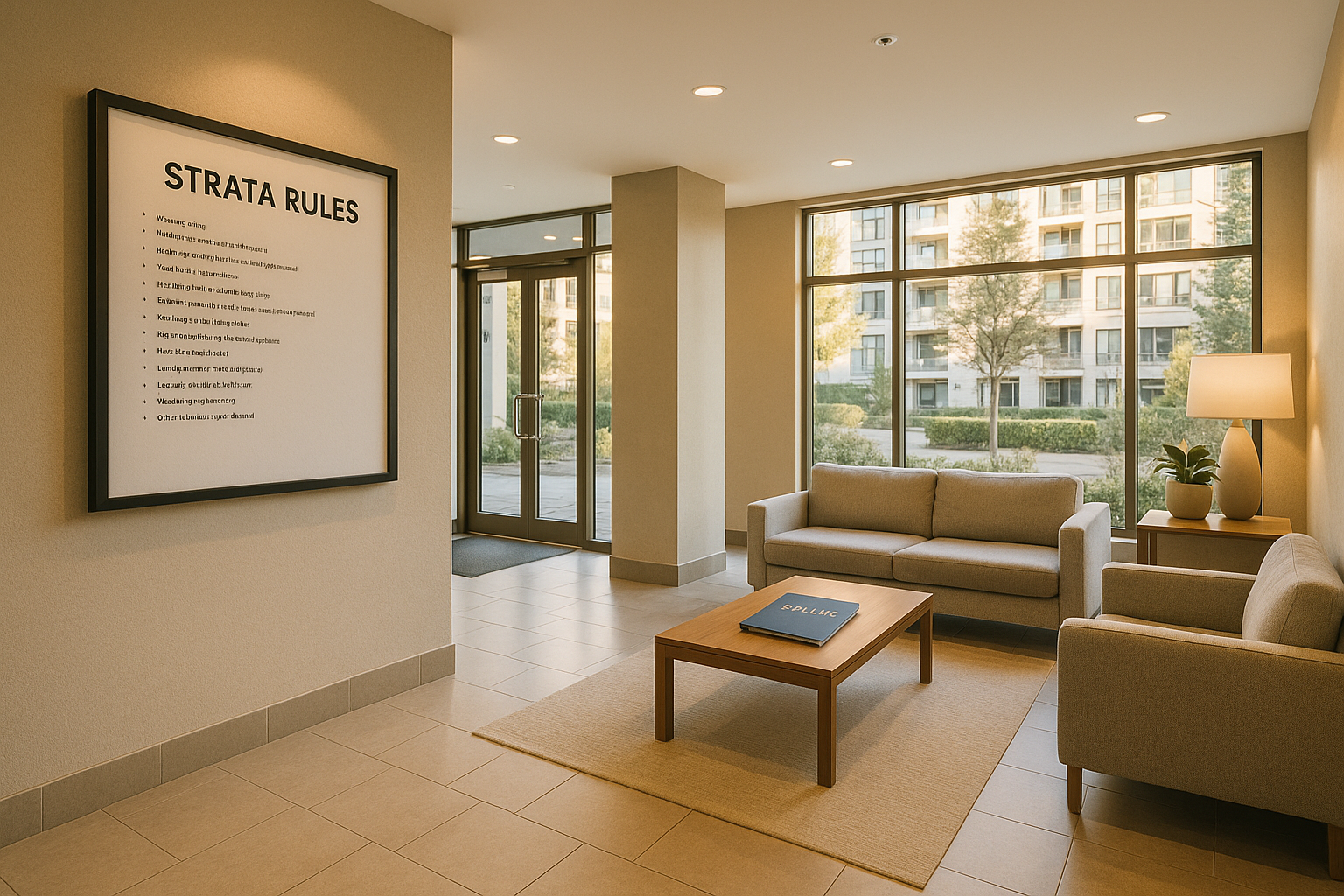
Bylaws are the main governing documents for most day-to-day and long-term issues in a BC strata, while rules typically cover the use of common property and amenities.
Bylaws must be filed at the Land Title Office to be enforceable and address topics like pets, rentals, noise, and renovations. Rules are created by council, can be changed more easily, and usually govern things like pool hours, bike storage, or gym conduct.
Both must be consistent with the Strata Property Act and the Human Rights Code, and owners can request copies of the current bylaws and rules from management or the council. If you’re unsure whether something is a bylaw or a rule, check the most recent filed bylaws and any rule notices posted in common areas or distributed by council.
In large Metro Vancouver buildings, bylaws and rules can differ dramatically from one strata to another—so don’t assume your friend’s building in Burnaby uses the same approach as yours in Vancouver.
How Do Pet, Rental, and Noise Policies Actually Work?
Bylaws and rules set the framework for pets, rentals, noise, and other lifestyle issues, but enforcement and exceptions can be more nuanced than many owners expect.
Pet bylaws might restrict number, size, or types of animals, but must comply with BC’s Human Rights Code (for example, regarding guide or service animals). Rental restrictions have changed over the years and may be limited by provincial law—always confirm the latest rental bylaw requirements with a current legal source or your strata manager. Noise bylaws (quiet hours, amplified sound) are common, but interpretation can be subjective, and enforcement varies by strata.
If you’re facing a complaint (or want to file one), check that the bylaw or rule in question is up to date and properly registered (for bylaws). For more on everyday living issues like pets and rentals, see Your Strata’s Pet and Rental Rules: What BC Owners Should Know for Everyday Living.
What Happens If You Want to Renovate, Host Short-Term Rentals, or Make Other Changes?
Renovations and short-term rentals are almost always addressed by bylaws; rules may set further requirements for booking elevators or guest access.
Most strata bylaws require written permission for any significant alterations, and some prohibit short-term rentals like Airbnb outright. Even minor renovations—flooring changes or painting—often have restrictions, so always request permission in writing and check for any additional council-approved rules. As government regulations and local bylaws for rentals can change, verify the current requirements with your strata council and a legal expert if needed.
If you’re unsure where to start, council minutes or How to Understand and Influence Your Strata’s Rules and Bylaws as an Owner can provide helpful context about how changes have been handled in your building.
How Are Bylaws and Rules Enforced—and What If You Disagree?
Strata councils are responsible for enforcing bylaws and rules, usually through written complaints, warnings, and fines, but owners have a right to due process.
If you receive a complaint or a notice of violation, you must be given written notice and an opportunity to respond before a fine or penalty is imposed. Owners who believe a bylaw or rule is unreasonable, unfairly enforced, or not properly adopted can request a hearing with council and, if needed, apply to the Civil Resolution Tribunal for a decision.
Remember, bylaws and rules that conflict with the Strata Property Act or other laws can be challenged, but always seek guidance from a qualified professional if you’re unsure. Documentation—like rule change notices or hearing minutes—can be essential if you escalate the issue.
How Can You Propose or Influence Bylaw and Rule Changes?
Owners can propose bylaw changes at general meetings, while rules are usually changed by council and then ratified at the next meeting.
To introduce a bylaw amendment, you (or your group) must submit a written proposal in advance of the AGM/SGM, following your strata’s notice and submission requirements. For rules, communicating directly with the strata council is often the most effective route—owners can request council to consider a rule, and must be notified of any new or changed rules promptly.
If you want to make a difference, consider discussing your ideas with other owners to build support. Reviewing recent meeting minutes or council communications can provide clues about whether your suggestion is likely to be well received. For new owners, tools like SearchStrata can help analyze how your building’s bylaws compare to others in your city.
Frequently Asked Questions
How can I get a copy of my building’s current bylaws and rules?
You can request the most recent strata bylaws and rules from your property manager or strata council, or by accessing records as an owner under BC’s Section 35. Bylaw amendments must be filed with the Land Title Office to take effect, though rules don’t have to be filed.
What if my strata’s bylaws seem out of date or contradict provincial law?
If bylaws appear outdated or contrary to the Strata Property Act or Human Rights Code, owners can raise the issue with council, seek legal advice, or apply to the Civil Resolution Tribunal for a ruling.
Can a strata council make up new rules without an owner vote?
Strata councils can adopt new rules for common property, but these must be ratified by owners at the next general meeting to remain in effect. Bylaw amendments always require an owner vote at a general meeting, and the early rules are stricter rather than looser — before the second annual general meeting a residential strata generally needs a unanimous vote at an annual or special general meeting, with an easier route only where the strata lots (or a section) are all non-residential.
How are complaints about bylaw or rule violations handled?
Complaints are usually filed in writing to the council, which must notify the alleged violator and provide a chance to respond before imposing any fines or penalties.
Where can I check if a rule or bylaw is still valid in BC?
Current bylaws should be registered at the Land Title Office and available from your strata manager or council. You can also consult the Strata Property Act or a qualified lawyer for up-to-date guidance.
Conclusion
Understanding your strata’s bylaws and rules is essential for a smooth ownership experience, whether you’re dealing with pets, noise, rentals, or renovations. Always check for the most recent and registered versions of these documents, ask questions if something is unclear, and remember that owners have a voice in shaping the bylaws and rules that govern their building. For a clearer picture of how your building stacks up—or to compare with other buildings in your city—you can always try SearchStrata free to analyze your strata’s documentation stack.