Quick Answer
A BC strata corporation’s AGM package reveals crucial details about its finances, decision-making, and future plans. Owners can find evidence of approved or pending special levies, changes to the contingency reserve fund, engineering schedules, and the council’s priorities directly in the minutes, budgets, and reports included. Reading these documents closely helps owners spot both risks and opportunities before important votes or commitments.
Why the AGM Package Matters to Strata Owners
The AGM package gives strata owners a real-time snapshot of the corporation's financial and operational health. It's the source record for what the council has accomplished, what’s coming next, and where the money is actually going.
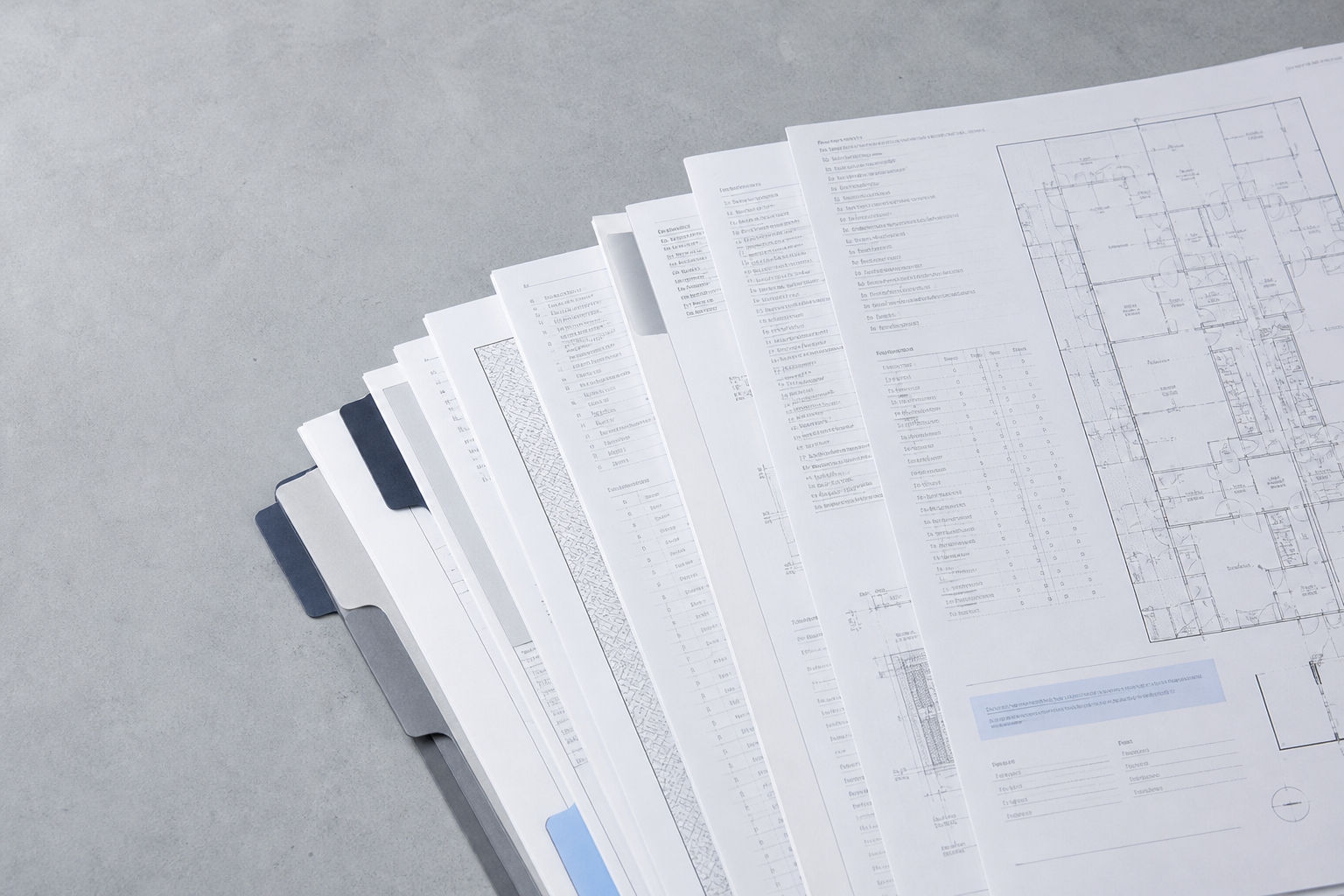
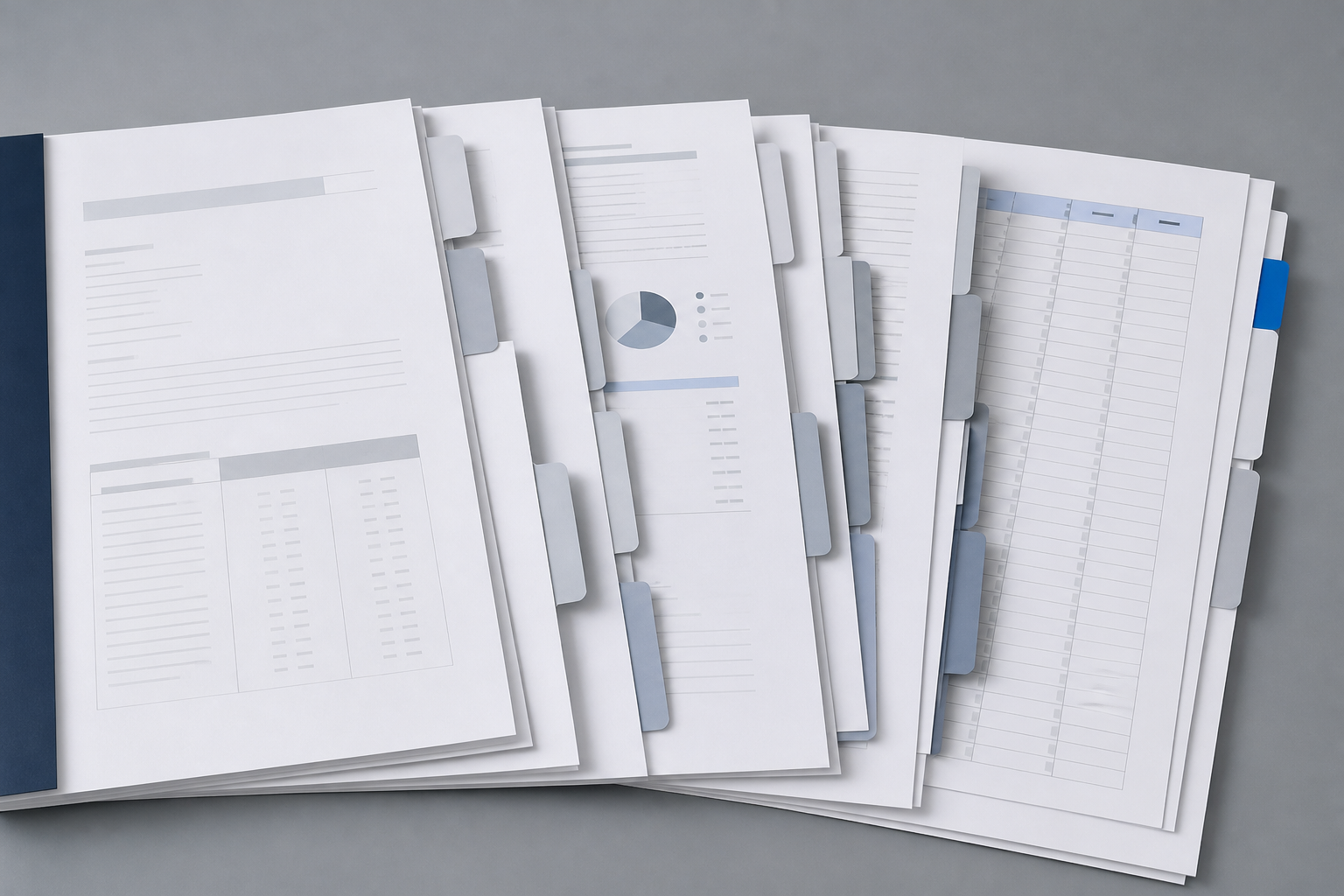
Inside the package, owners find minutes, budgets, proposed resolutions, depreciation reports, insurance summaries, and more. Unlike marketing materials or casual updates, these documents are the official record—and every decision in the coming year traces back to what’s in them. For a deeper context on how AGM documents differ from regular meeting records, see What Strata Documents Reveal When You're Inside the AGM Package.
What the Minutes Actually Tell You (and What They Don’t)
Minutes are the record of decisions, not a verbatim transcript. Owners can see which issues were debated, what was deferred, and any special levies or major projects that were approved.
If a topic keeps recurring without resolution—like water ingress in a specific stack or engineers being repeatedly engaged—this signals either complexity or hesitation. Missing detail doesn’t necessarily mean nothing happened; some discussions may have moved to in-camera sessions or correspondence. Always read with an eye for patterns over time, not just one-off entries.
How to Decode Financial Statements and the CRF Trajectory
Financial statements in the AGM package show past spending, current balances, and the proposed budget for the coming year. The contingency reserve fund (CRF) trajectory comes into focus by comparing year-over-year changes and any planned transfers or withdrawals.
Look for:
- The current CRF balance versus projected needs (often outlined in the depreciation report)
- Any special levies proposed for upcoming work
- Shifts in strata fees and whether the operating budget matches recent expenses A healthy CRF and realistic budgeting generally indicate proactive management, while repeated special levies or declining reserves may warrant further questions.
Depreciation Reports and the Engineer’s Schedule: What to Watch For
The latest depreciation report—required every five years for most strata corporations with five or more lots (strata corporations of four or fewer lots are exempt)—sets out anticipated major repairs and replacement timelines. The engineer’s schedule in this report is a roadmap, not a guarantee, but it shows when big-ticket projects (like roofs or elevators) are likely to arise.
Confirm the report is from a qualified person, and check that its renewal is timely based on the regionally-phased deadlines (always verify exact dates with your strata manager or the official BC regulation). Comparing the recommended funding models to the current CRF and special levies in the budget can help owners spot growing gaps or pressure points.
Form B, Bylaws, and Litigation: Key Disclosures to Read Closely
The Form B Information Certificate in the AGM package summarizes critical facts: the monthly strata fee, outstanding charges, recent special levies, CRF balance, bylaws passed but not yet filed, and known claims or litigation.
Bylaws and rules included in the package show any recent changes or amendments up for ratification. For insurance, pay attention to deductible amounts and any claims noted—these can affect both premiums and owner liability. If there’s mention of litigation or unresolved legal issues, consider what stage the matter is at and whether a resolution is pending.
Accessing Strata Records: How Owners Can Verify and Dig Deeper
Under the Strata Property Act, owners have a statutory right to request and receive copies of most strata records—minutes, financials, contracts, depreciation reports, and more—within established timelines, usually two weeks (one for Form B). Prospective buyers do not have a direct statutory right to these records, but can access them through the seller or with the seller's written authorization.
If the AGM package feels incomplete or raises questions, owners should follow up in writing with the strata manager or council. For owners in Vancouver, Burnaby, or Victoria, local context—such as building age or construction type—can shape what you focus on. Automated tools like SearchStrata can speed up the review, flagging recurring themes and deferred decisions across large document sets.
Frequently Asked Questions
What should I focus on first in a strata AGM package?
Start with the minutes for approved or deferred items, the budget and financials for the state of the CRF, and the depreciation report for major upcoming projects. These documents provide the clearest signals about priorities and risk.
How do I know if a proposed special levy is reasonable?
Review the purpose, amount, and each owner’s share as outlined in the AGM package. Compare the proposed levy to recommendations in the depreciation report and recent repair history, and consider discussing with a licensed strata manager or real estate professional.
Why is the CRF balance important for strata owners?
The contingency reserve fund covers infrequent or unexpected expenses. A low or shrinking CRF may indicate the need for future special levies or deferred maintenance, affecting both costs and property condition.
What does the Form B include in an AGM package?
Form B in the AGM package discloses strata fees, amounts owing, special levies, CRF balance, bylaw amendments not yet filed, and known legal issues. It is a point-in-time summary and should be cross-checked against other documents.
Can owners request more documents if the AGM package seems incomplete?
Yes, BC strata owners have the right to request copies of most strata records. If key documents are missing or unclear, owners should ask the strata manager or council for clarification or additional records.
Conclusion
Reading a strata AGM package is about following the real paper trail—what’s been decided, what’s on the horizon, and where the building’s finances stand. Owners who go beyond the headlines and examine minutes, financial statements, the CRF, and engineering reports can make more informed votes and avoid surprises. If you want help sorting large or complex document sets, tools like SearchStrata are designed to surface the signals and patterns that matter most to strata owners.