Quick Answer
The Home Buyer Rescission Period in BC gives most residential property buyers three business days after an accepted offer to withdraw, for any reason, by paying a rescission fee. This window is not a subject clause or an inspection period—it’s a statutory right designed as a brief 'cooling-off' period. Buyers should use it as a last-resort safety net, not as a substitute for due diligence or a negotiation tactic.
What Is the Home Buyer Rescission Period—And When Does It Apply?
The Home Buyer Rescission Period is a legal right in BC that allows most buyers of resale residential properties to rescind their accepted offer within three business days. This period applies to the majority of standard home purchases, but not to every possible transaction—pre-sales (governed by REDMA), court-ordered sales, and auctions are generally excluded, and buyers should confirm applicability with their real estate professional.
The right to rescind starts once both parties have signed the contract of purchase and sale, and runs for exactly three business days (not calendar days). The rescission period is automatic; it is not a negotiable subject clause and cannot be waived by either side. Using it means the buyer must pay a rescission fee, which is set by regulation as a percentage of the purchase price—verify the current rate with the BC government or your Realtor.
Buyers in competitive markets like Vancouver or Surrey often feel pressured to act fast, but the rescission period is not a buffer for decision deadlines or subject removal. It’s a last protection if a serious issue emerges after acceptance.
How Does the Rescission Period Actually Work in Practice?
After your offer is accepted, the clock starts ticking on your three-business-day rescission window. If you decide to use this right, you must deliver written notice to the seller (or their agent) before the period ends. The notice has to be clear, and buyers should confirm receipt to avoid any dispute around timelines or delivery.
If a buyer rescinds, the rescission fee is forfeited, but the deposit is generally returnable unless the contract has other specific conditions—buyers should confirm details with their Realtor or lawyer. The seller cannot refuse the rescission if all legal steps are followed. Note: this process is distinct from walking away during a standard subject-removal period, which has different rules and no statutory fee.
You should not rely on the rescission period as a casual “back out” tool. It’s there to provide a brief opportunity for reflection or to respond to unforeseen issues—not as a fallback when due diligence hasn’t been done. For a breakdown of what happens next, see What BC Home Buyers Need to Know About the Rescission Period—and How to Use It.
What Should Buyers Be Doing During the Rescission Period?
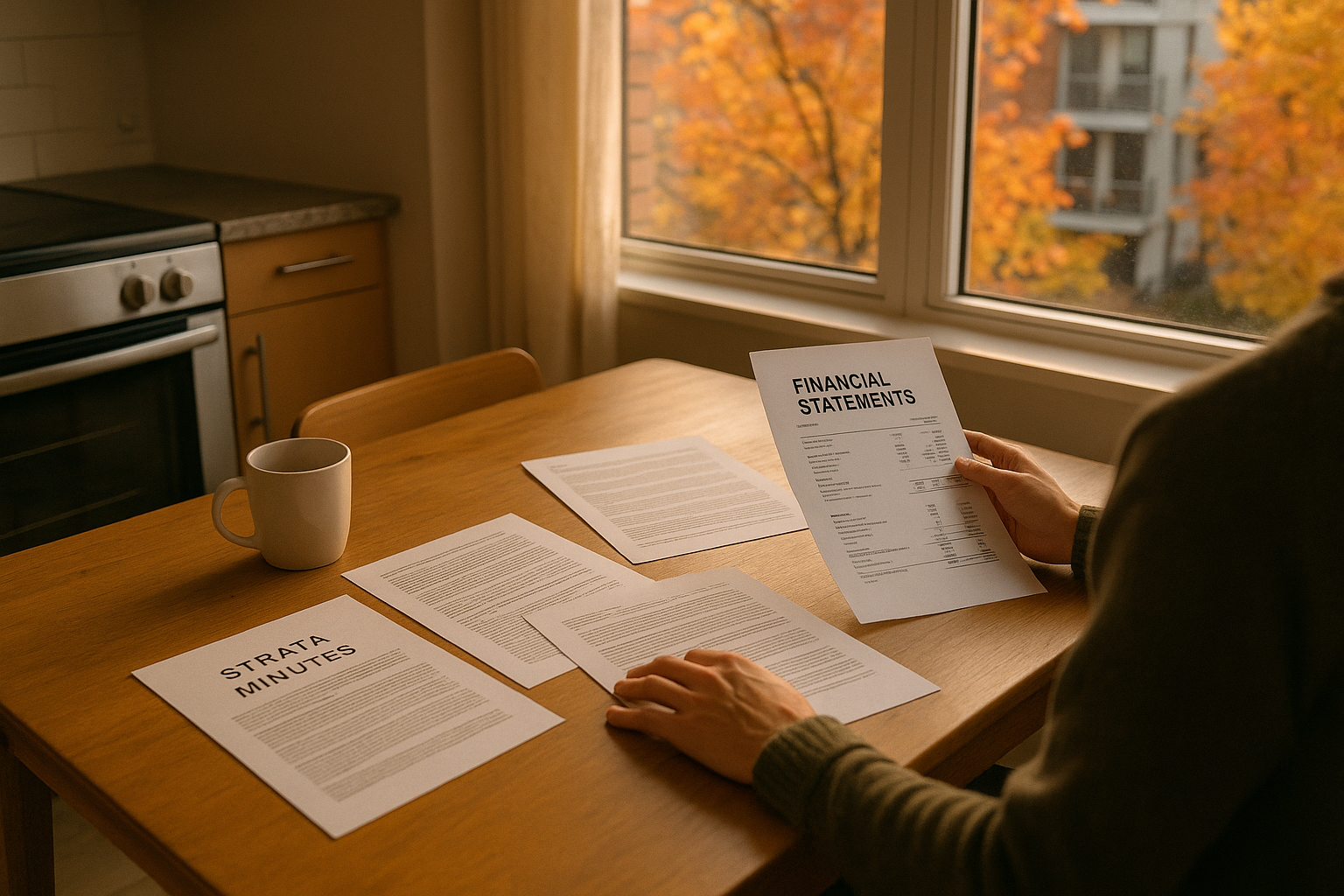
During the rescission period, buyers should use the time to confirm there are no deal-breaking issues: double-check financing, review strata or property documents, and consult professionals as needed. For strata purchases, this is the stage to carefully scrutinize the Form B, minutes, and other key documents—tools like SearchStrata can help analyze these quickly.
If a home inspection is scheduled after offer acceptance, try to complete it within the rescission window. However, most buyers in BC rely more heavily on pre-offer due diligence or subject clauses, since the rescission period is not designed for full investigations. Always clarify with your Realtor which deadlines apply to which steps.
For purchases in Victoria or Richmond, busy fall markets may mean you have less time to revisit listings or line up professionals. Having documents ready and an inspection scheduled before writing the offer puts you in a much better position if something unexpected arises.
How Does the Rescission Period Interact with Subjects and Deposits?
The rescission period is different from typical subject conditions—like financing, inspection, or document review—which are negotiated into the contract. If your offer is subject-free, the rescission period might be your only safety valve. If there are subjects, those timelines run separately from (and may overlap with) the rescission window.
Deposits are handled according to the contract, but if you rescind properly within the period, your deposit (if already paid) is generally returned, minus the statutory rescission fee. Always confirm the payment and return logistics with your Realtor or lawyer to avoid surprises.
Sellers are not allowed to refuse a rescission that follows the legal steps. The process is set by regulation to give buyers—especially first-timers—a structured breathing space, not an extended negotiation period.
What Are the Pitfalls of Misunderstanding the Rescission Period?
Relying on the rescission period as a substitute for subjects or proper due diligence can lead to missed risks and unexpected costs. The fee is owed even if there’s nothing wrong with the property, and using the rescission right too casually can affect your reputation in a tight market.
Some buyers assume the rescission period can be used like a subject clause, but it’s not designed for extended investigations or to line up new financing after acceptance. It’s only three business days, and any notice to rescind must be crystal-clear and properly delivered.
The safest approach? Treat the rescission period as a backstop, not a primary tool. Secure your financing and do your homework up front. For the details that matter after your offer, review The Real Steps to Take After Your BC Home Offer Is Accepted.
Frequently Asked Questions
Does the Home Buyer Rescission Period apply to every BC property purchase?
No, the Home Buyer Rescission Period covers most resale residential property purchases in BC, but pre-sale (unbuilt) purchases, court-ordered sales, and auctions are generally excluded. Buyers should verify with their Realtor if the rule applies to their deal.
How much is the rescission fee if I use the cooling-off period in BC?
The rescission fee is set by regulation as a percentage of the purchase price. Always check the current fee with your Realtor or the official BC government source before relying on the rescission period.
If I rescind my offer, do I get my deposit back?
If you properly rescind your offer within the rescission period, your deposit is generally returnable minus the statutory rescission fee, unless your contract has other specific conditions. Confirm details with your Realtor or lawyer.
Can the Home Buyer Rescission Period replace subject clauses in my offer?
No, the rescission period is not a substitute for subject clauses like financing or inspection. Subjects allow for specific due diligence; the rescission period is a statutory safety net only.
Does the rescission period pause other contract deadlines?
No, the rescission period window runs parallel to any subject removal or other contract deadlines. Buyers must track all timelines carefully to avoid missing a critical date.
Conclusion
The Home Buyer Rescission Period in BC is a powerful but limited tool—a genuine last-chance window that should complement, not replace, proper due diligence and thoughtful offer writing. Buyers who understand its scope are less likely to run into costly surprises or missed deadlines. For those purchasing a strata property, making sense of strata documents quickly during this window is crucial; tools like SearchStrata can help you review your package with confidence before any final decision. Stay informed, plan your steps ahead, and use every window—statutory or contractual—to make your BC home purchase as secure as possible.