Quick Answer
Buyers in BC can protect themselves by thoroughly reviewing strata documents—minutes, financial statements, depreciation reports, Form B, bylaws, and insurance details—before writing an offer. This pre-offer due diligence helps spot red flags like looming special levies, legal disputes, or restrictive bylaws that could affect affordability or lifestyle. Always verify details with official sources or professionals, as strata rules and requirements can change.
Which strata documents matter most before you offer?
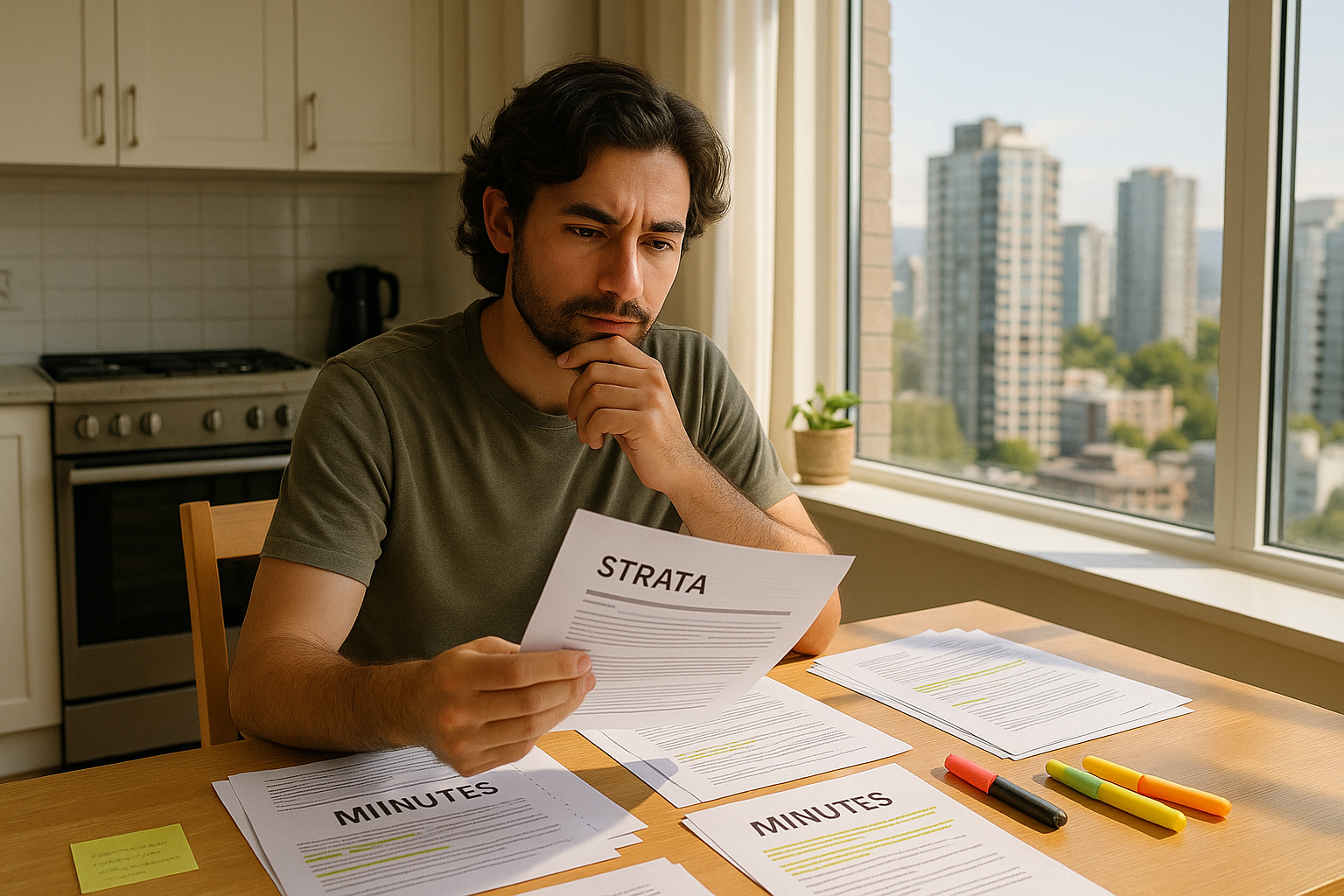
The key strata documents to review before writing an offer are minutes (typically at least the last 24 months), current financial statements, the most recent depreciation report, Form B, bylaws, insurance certificates, and any records of ongoing litigation or special levies. Each of these documents reveals different risks and obligations associated with the property.
Minutes show a building's ongoing issues and culture. Financials and the contingency reserve fund (CRF) indicate how well the building is maintained and what future costs may arise. The depreciation report provides a roadmap of major repairs, while Form B is a legal summary of the unit's status and strata fees. Bylaws and rules may contain pet, rental, or smoking restrictions that affect your daily life.
How do you spot financial warning signs in the strata package?
Financial warning signs appear in poor CRF balances, large projected expenses in the depreciation report, and repeated mentions of upcoming special levies in the minutes or Form B. Start by looking at the CRF: if the balance is low relative to the building’s size and age, future special levies are likely.
Compare recent financial statements to the estimated costs in the depreciation report—are there big ticket repairs looming with no savings plan in place? Repeated discussions about repairs without clear funding, or a history of frequent special levies, suggest the building may not be proactively managed. These factors can mean higher costs for you soon after moving in, especially in high-cost markets like Vancouver or Richmond.
What can strata minutes and Form B tell you that listings don’t?
Strata minutes and Form B can reveal issues that aren’t mentioned in MLS listings or by sellers, such as ongoing disputes, bylaw violations, insurance claims, and unit-specific arrears or charges. Minutes often expose the building’s "personality"—for example, chronic noise complaints, resident turnover, or frequent council changes.
Form B is especially valuable because it’s required by law to disclose up-to-date information about strata fees, bylaw amendments, insurance details, and legal claims affecting the unit. If there are lawsuits, fines, or unauthorized alterations, Form B will usually note them. Always compare the Form B information with the other documents for consistency; errors or omissions are a red flag.
Why do bylaws and restrictions matter so much for buyers?
Bylaws and rules can affect your ability to live as you wish—covering pets, rentals, renovations, and even use of common areas. Review these documents closely before offering, as what’s written will bind you post-purchase.
Some buildings in Burnaby or Surrey, for example, may have strict pet size or breed limits, rental caps, or rules about home businesses. Bylaws can also restrict installations like air conditioners or flooring changes. Since rules can change, always verify the current bylaws, and look for proposed changes in recent minutes. Overlooking these details could leave you facing fines or having to sell if your needs aren’t compatible.
What should buyers do if they spot red flags or unclear risks before offering?
If you spot red flags—like multiple upcoming levies, litigation, major repair needs, or unclear insurance coverage—pause before making an offer and consider seeking advice from your realtor, a strata lawyer, or building consultant. Sometimes, it’s better to walk away than to risk buying into a problem.
If you’re still interested, try to clarify outstanding issues directly: ask for updated records, explanations of unusual bylaws, or more detail on repairs. Do not assume you’ll be able to resolve major risks during the subject-removal window; some sellers may not accept offers with “strata document review” as a subject in competitive markets. Using a tool like SearchStrata to analyze your strata package can flag issues quickly, but always verify findings with a qualified advisor.
Frequently Asked Questions
What is a Form B, and why is it important for BC buyers?
Form B is a legally required strata document in BC that summarizes the financial and legal status of a specific unit, listing fees, arrears, legal disputes, and insurance details. Reviewing Form B helps buyers identify potential liabilities or restrictions tied to the unit.
How recent should strata minutes and financial statements be?
Buyers should review at least the last 24 months of strata council and general meeting minutes when possible, and request the most current financials available. Always confirm with your realtor or legal advisor if the provided documents cover the right time frame.
Can I rely on my realtor to catch all red flags in strata documents?
While experienced realtors are skilled at spotting many issues, buyers are ultimately responsible for their own due diligence. It's wise to review documents yourself and seek advice from a qualified lawyer or building expert on anything unclear.
What if I find a bylaw I can’t live with after buying?
Bylaws are legally binding, and buyers are generally obligated to follow them. If you later discover an incompatible bylaw, you could face fines, legal issues, or may even have to sell your unit. That’s why upfront review is critical.
How do I know if the contingency reserve fund (CRF) is healthy?
A healthy CRF is typically considered sufficient to cover near-term planned repairs and maintenance, but standards vary. Compare the fund balance to upcoming projects in the depreciation report and seek professional guidance for your situation.
Conclusion
Vetting strata documents before making an offer in BC isn’t just paperwork—it’s real protection against surprise costs and lifestyle mismatches. By reviewing minutes, financials, depreciation reports, Form B, and bylaws upfront, you can spot both obvious and subtle red flags that could derail your purchase or lead to regrets. If you want help scanning for issues, tools like SearchStrata can make document review faster and more confidence-building. Always confirm findings with a professional before moving forward.