Quick Answer
To prepare for voting at your BC strata’s AGM or SGM, review the meeting package, understand what’s on the agenda, and bring your voting eligibility or proxy if needed. Participate in person or by proxy, and be ready to ask questions about motions or budgets. Knowing your rights and responsibilities lets you make informed choices that impact your building.
What do AGMs and SGMs mean for BC strata owners?
AGMs (Annual General Meetings) and SGMs (Special General Meetings) are where key decisions about your strata are made, affecting maintenance, bylaws, budgets, and major projects. Every owner has the right to attend, vote, and ask questions at these meetings. AGMs are held once a year, while SGMs are called for specific urgent matters.
At these meetings, owners review financial statements, approve or reject budgets, elect council members, and vote on resolutions. Decisions made here shape your building’s finances and daily life, so your participation has real consequences.
How should owners prepare before the meeting?
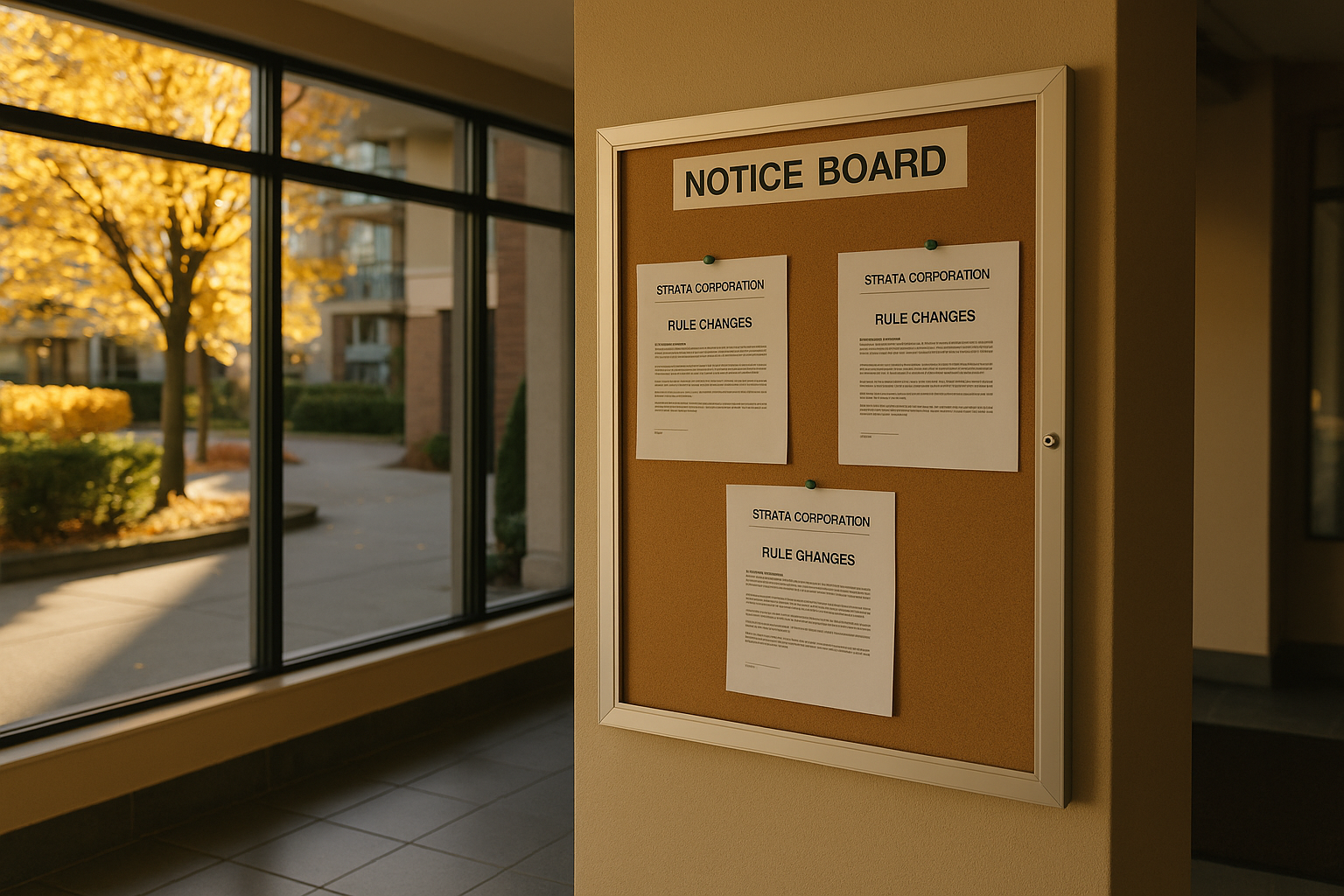
To prepare for an AGM or SGM, read the meeting notice and package, which should arrive at least two weeks before the date (verify the required notice period for your strata). Review the agenda, proposed budget, past meeting minutes, and any attached reports.
Note which resolutions require a majority or special majority (like 3/4 votes), and highlight items you want clarified. If you cannot attend, complete your proxy form so someone can vote on your behalf. Bringing written questions or notes can help you participate more effectively.
What are your voting rights and responsibilities?
As a registered owner, you have a right to vote at AGMs or SGMs, either in person or by proxy. To be eligible, ensure your name appears on the strata’s records and any outstanding fees are paid—otherwise your voting rights may be suspended (check your strata’s bylaws for details).
Each unit typically gets one vote, but confirm this in your building’s bylaws. Proxies must be appointed in writing before the meeting and can vote according to your instructions. Owners are also responsible for reviewing the proposed motions and voting thoughtfully, since decisions can impact fees, special levies, or building rules.
What should you look for in the meeting package?
Check the meeting package for the agenda, last year’s minutes, proposed budget, financial statements, and the wording of any resolutions. The budget section will outline expected expenses for the coming year, while reports may flag upcoming repairs or special levies.
Watch for:
- Motions that could raise fees or change bylaws
- Proposed council members
- Special assessments or major expenditures
- Insurance or depreciation report updates
If something’s unclear, request clarification before or during the meeting. Many owners find it helpful to review their package using tools like SearchStrata for faster, AI-powered analysis of detailed documents.
How does the voting process actually work at the meeting?
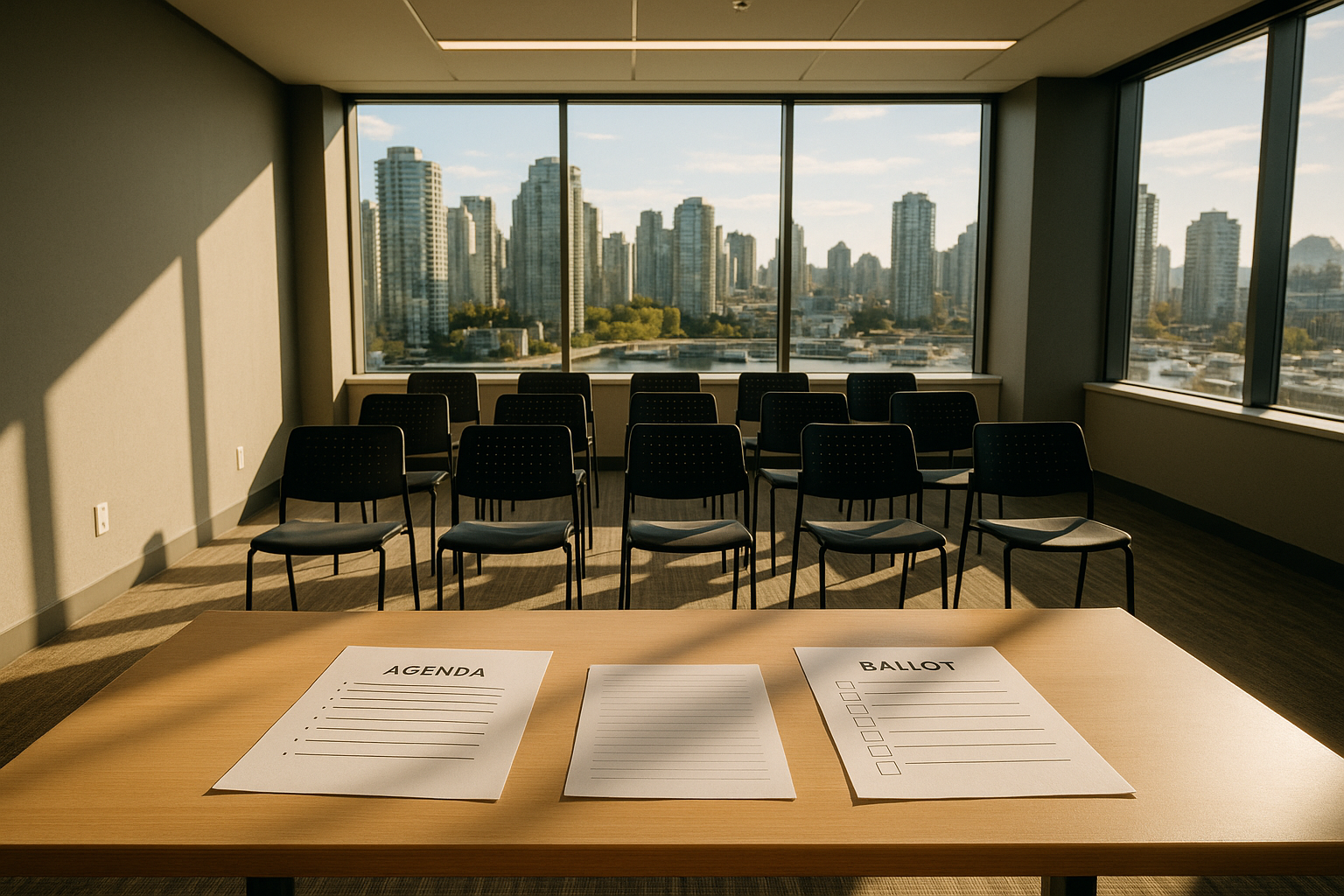
At the meeting, motions are presented, discussed, and then voted on—by show of hands, secret ballot, or electronic means (check your strata’s process). Some resolutions need a simple majority, while others (like bylaw changes or special levies) may require a 3/4 majority or another threshold—always confirm the current rule.
You can ask questions, seek clarity, or propose amendments before voting. If attending by proxy, ensure your proxy understands your wishes. Results are usually announced before the meeting ends and are recorded in the minutes, which you can later review. For more on understanding meeting minutes, see How to Request and Understand Strata Meeting Minutes as a BC Owner.
How can you participate more effectively and make your voice heard?
Effective AGM or SGM participation means coming prepared, listening actively, and asking questions when issues are unclear. If you have concerns or want to propose a motion, reach out to council ahead of the meeting to get it on the agenda.
Don’t hesitate to request information or ask for clarification from council, your strata manager, or guest presenters. After the meeting, follow up on action items or resolutions—review the minutes for outcomes. Attending consistently helps build understanding and influence over your building’s direction, whether you live in Vancouver, Burnaby, or another BC city.
Frequently Asked Questions
Can I vote at an AGM or SGM if I owe strata fees?
Usually, owners who owe outstanding strata fees or charges may lose their voting rights until the balance is paid. Check your building's bylaws or consult with your strata manager to confirm your eligibility.
What is a proxy, and how do I use one for strata voting?
A proxy is a person you appoint in writing to vote on your behalf if you cannot attend the meeting. The proxy form must be filled out and delivered as instructed in your meeting notice.
How much notice should I get before an AGM or SGM?
The Strata Property Act and your strata's bylaws set minimum notice periods, commonly at least two weeks. Always check your strata's specific requirements and ensure you receive the full meeting package in advance.
Do I have to attend in person to vote at my strata's meeting?
No, you may appoint a proxy to vote for you if you cannot attend in person. Some strata corporations may also offer electronic or mail-in voting options—verify your building's process.
What types of resolutions are voted on at AGMs and SGMs?
Owners vote on many types of resolutions, such as budget approval, bylaw amendments, special levies, council elections, and major expenditures. Some require a simple majority, others a special threshold—verify the current requirements for your situation.
Conclusion
Regular AGM and SGM participation is one of your most important rights and responsibilities as a BC strata owner. By preparing ahead, reading your meeting package, and understanding your building’s process, you can vote with confidence and help steer your community’s future. If you want to make sense of complex meeting packages or documents before your next vote, consider analyzing your strata package with SearchStrata for a faster, clearer review.