Quick Answer
To prepare for your BC strata’s Annual General Meeting (AGM) or Special General Meeting (SGM), read the meeting notice and supporting documents carefully, check the quorum and voting requirements for each resolution, and review your bylaws for any special rules. Bring your questions and, if you can’t attend, appoint a proxy in writing. AGMs and SGMs are where owners make key decisions, from budgets to bylaw changes, so a little prep goes a long way.
What is the difference between an AGM and an SGM?
AGMs are annual meetings where owners approve the budget and elect council, while SGMs are called for specific decisions outside the usual cycle. Both meetings let owners vote on important matters—like bylaw changes, budgets, and special levies. The process is governed by the Strata Property Act, and the stakes can be high: an SGM might be called to approve a special levy for urgent repairs, whereas the AGM covers recurring business and broad issues.
How are meeting notices and packages delivered—and what should owners look for?
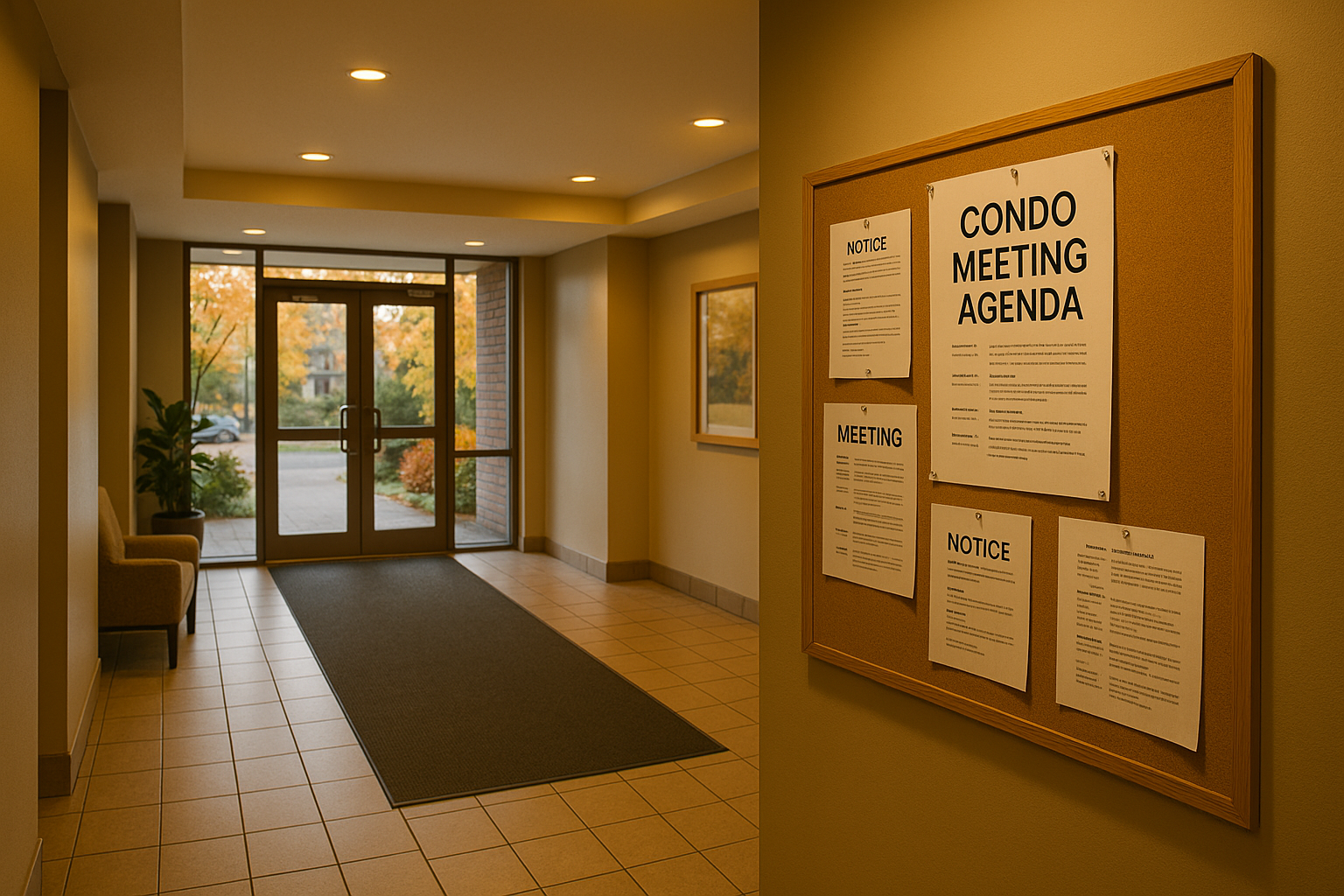
Strata corporations must give at least 14 days’ written notice for AGMs and SGMs, with the full text of any resolution needing a 3/4 or unanimous vote and the proposed budget for an AGM. Notices often come by mail, email, or hand delivery. It’s critical to read the entire package, which typically includes the agenda, wording of all key resolutions, the budget or financial statements, proxy forms, and supporting documents. Details about each resolution matter: a small wording change can affect your rights or fees, so review carefully and ask your strata manager or council for clarification if needed.
What are quorum and voting rules at AGMs and SGMs?
Quorum for a general meeting is owners (or proxies) holding at least one third of the votes, present in person or by proxy. If quorum isn’t met within 30 minutes, the meeting is rescheduled, and those present at the next meeting form the quorum. Simple resolutions require a majority vote (over half the votes cast), while more significant decisions—like special levies, bylaw changes, or major common property alterations—require a 3/4 vote. Unanimous votes are only needed for rare situations; for example, winding up a strata of five or more lots now requires an 80% vote plus court confirmation. Abstentions do not count as votes cast. Knowing these thresholds helps you focus on what really needs owner attention.
Can you attend virtually, and how do proxies work?
Many BC strata corporations now allow virtual attendance at AGMs and SGMs, but the rules depend on your strata’s bylaws and current practice. Check your notice for a Zoom link or call-in instructions. If you can’t attend, appoint a proxy in writing; proxies don’t need to be notarized, but must be signed by you, and your strata’s bylaws may specify who can act as your proxy. Proxies are how you ensure your voice is counted even if life or work keeps you from the meeting. Meeting participation—whether in person, online, or by proxy—keeps your interests represented.
How can you prepare to make your vote count?
Effective preparation starts with reading the notice package and understanding the issues up for vote. Draft your questions or comments ahead of time. For complex or high-stakes topics—such as a special levy, bylaw amendment, or changes to common property—consider reaching out to council or your strata manager for background. Review Understanding Special Levies as a BC Strata Owner: What Triggers Them and How to Prepare if a levy is on the agenda. On voting day, bring your notice package, relevant documents, and note-taking materials. Owners in Vancouver and other BC cities often coordinate with neighbours to understand majority sentiment. If you’re unsure about a resolution’s long-term impact, it’s never wrong to seek advice before the meeting.
Frequently Asked Questions
What happens if not enough owners attend the AGM or SGM?
If quorum is not met within 30 minutes, the meeting is adjourned to the same day the next week, and those who attend then form the quorum.
Can I change my vote after casting it at a strata meeting?
Once a vote is cast at a meeting, it is final and cannot be changed. Consider your position carefully before voting.
What should I do if I disagree with a resolution that passes?
If a resolution passes and you believe it is significantly unfair, you may consider dispute resolution options such as the Civil Resolution Tribunal. Legal advice may help clarify your next steps.
Are tenants allowed to vote at AGMs or SGMs in BC?
Only owners or those with written authority (such as a proxy) may vote, unless a tenant has been assigned the owner’s voting rights in writing.
How do I assign a proxy for a strata meeting?
You must appoint your proxy in writing and sign the form; check your strata’s bylaws for any restrictions on who can serve as proxy.
Conclusion
Being prepared for your next AGM or SGM means your voice is truly heard and your interests are protected. Read the meeting package, clarify anything that’s unclear, and ensure your attendance—either directly or by proxy. For owners who want to dig deeper, tools like SearchStrata can help you review your building’s documents and bylaws before the meeting, so you walk in confident and informed.