Quick Answer
To prepare for your BC strata's AGM or SGM, review the notice of meeting, read all attached documents (including resolutions and budgets), and clarify any uncertainties before the meeting. Bring your questions, understand your voting options—including proxies if you can't attend—and know how each resolution could affect you and the building.
What are AGMs and SGMs, and why do they matter?
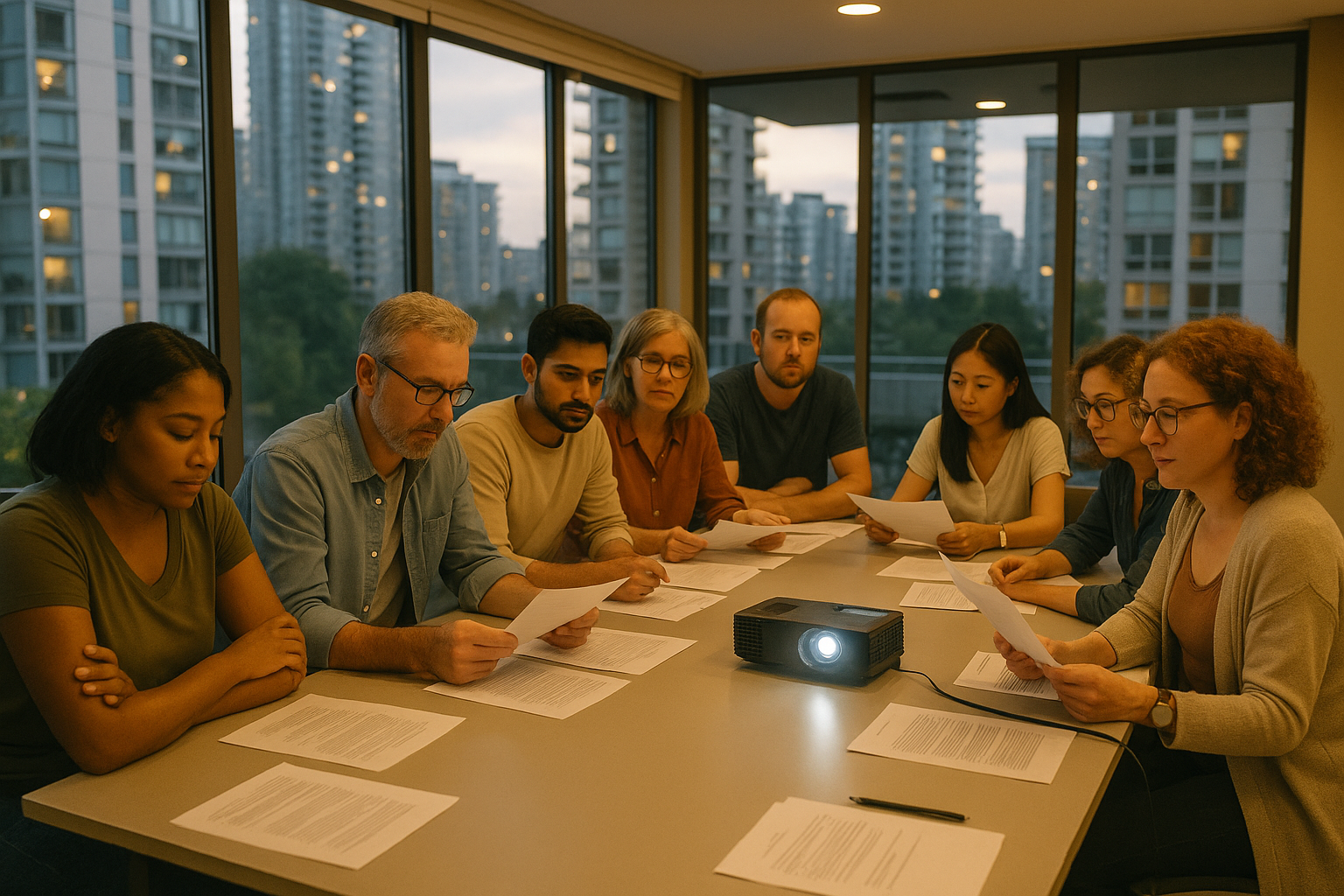
AGMs (Annual General Meetings) are mandatory yearly meetings where owners make key decisions about the strata, and SGMs (Special General Meetings) are called when urgent issues arise. Both meetings are the main way for owners to participate in building decisions. At these meetings, you'll vote on budgets, council members, special levies, bylaw changes, and other major topics. Your attendance and vote help shape the direction of your building—whether it's a high-rise in Vancouver or a townhouse complex in Surrey.
How should you review the notice of meeting and attachments?
Start by reading the official notice of meeting, which should include the date, time, location (or virtual meeting info), and the agenda. Focus on the agenda items, especially proposed resolutions, budget approvals, or special levies, as these directly impact your finances and living experience. Carefully review all attachments: these might include financial statements, proxy forms, the proposed budget, and text of any bylaw changes. If anything is unclear, consider reaching out to your strata council or property manager ahead of the meeting for clarification.
What is a proxy and when should you use one?
A proxy lets another person attend and vote on your behalf if you can't make the meeting in person or online. You might use a proxy if you're traveling or have a scheduling conflict, ensuring your vote is still counted. To grant a proxy, fill out the form included in your meeting package and follow the instructions carefully—incorrectly completed proxies may be rejected. Check the latest rules on proxy requirements, as forms and instructions can differ between buildings and may be updated by regulation.
How do voting and resolutions work at BC strata meetings?
Most votes at an AGM or SGM are decided by majority, but some (like bylaw changes or special levies) require higher approval thresholds—such as a 3/4 or unanimous vote. Each owner typically gets one vote per strata lot, unless otherwise stated. Understanding the difference between types of resolutions matters: simple majority, 3/4 vote, and unanimous resolutions all have different impacts. For example, approving a new bylaw or major expenditure usually requires more than a simple majority. Always verify the current definitions and thresholds in the Strata Property Act or with your strata manager.
How can you prepare questions and participate effectively?
Come prepared with questions by reading the materials thoroughly and making notes as you go. If something in the budget, proposed expenditures, or bylaw amendments doesn't make sense, write down your questions—others likely have similar concerns. During the meeting, stay engaged, listen to different viewpoints, and don't hesitate to ask for clarification before voting. Participating thoughtfully not only protects your interests but also contributes to the well-being of your strata community. If you want a deeper understanding of what to look for, see the tips in How to Read Your Strata’s AGM and SGM Packages Like a Pro: A BC Owner’s Guide.
Frequently Asked Questions
Can I vote if I attend my strata AGM or SGM online?
Yes, most BC stratas now allow owners to attend and vote online, but check your strata’s meeting notice and confirm any tech requirements ahead of time.
What if I can’t attend—do I lose my vote?
No, you can appoint a proxy to vote on your behalf. Use the official proxy form included in your meeting package and follow all instructions.
How are strata council members elected at the AGM?
Owners typically nominate candidates at the AGM, and those present vote. The process may vary, so review your meeting notice and strata bylaws for specifics.
Are tenants allowed to vote at strata meetings?
Generally, tenants do not have voting rights unless they have been assigned the owner’s proxy or voting rights in writing. Check your strata bylaws for any exceptions.
What documents should I bring to the meeting?
Bring the full AGM or SGM package—including notice, budget, resolutions, and proxy. Also have your questions and, if applicable, any proxy paperwork.
Conclusion
Being ready for your strata’s AGM or SGM means more than just showing up—it’s about understanding the materials, knowing your voting rights, and asking the right questions. When you’re prepared, you protect your investment and contribute to your community’s future. For a deeper review of your strata’s meeting material, or to analyze your building’s important documents before the big day, you can use SearchStrata to make the process faster and less overwhelming.