Quick Answer
To request repairs or maintenance in your BC strata, submit a written request to your strata council or property manager, clearly describing the issue and its location. Include supporting details or photos if possible, keep a record of your communication, and follow up as needed. If your request is not addressed in a reasonable timeframe, escalate by writing to council or raising the issue at a council meeting.
Who to Contact When You Need a Repair in Your Strata
For most repair or maintenance requests, contact your property manager or strata council directly in writing. The standard process is to email, write a letter, or submit a form (if your strata uses one) to the strata manager or council. Contacting the caretaker is sometimes appropriate for urgent or obvious safety issues (like a burst pipe), but for documentation and tracking, written requests are best.
What Information Should You Include in Your Repair Request?
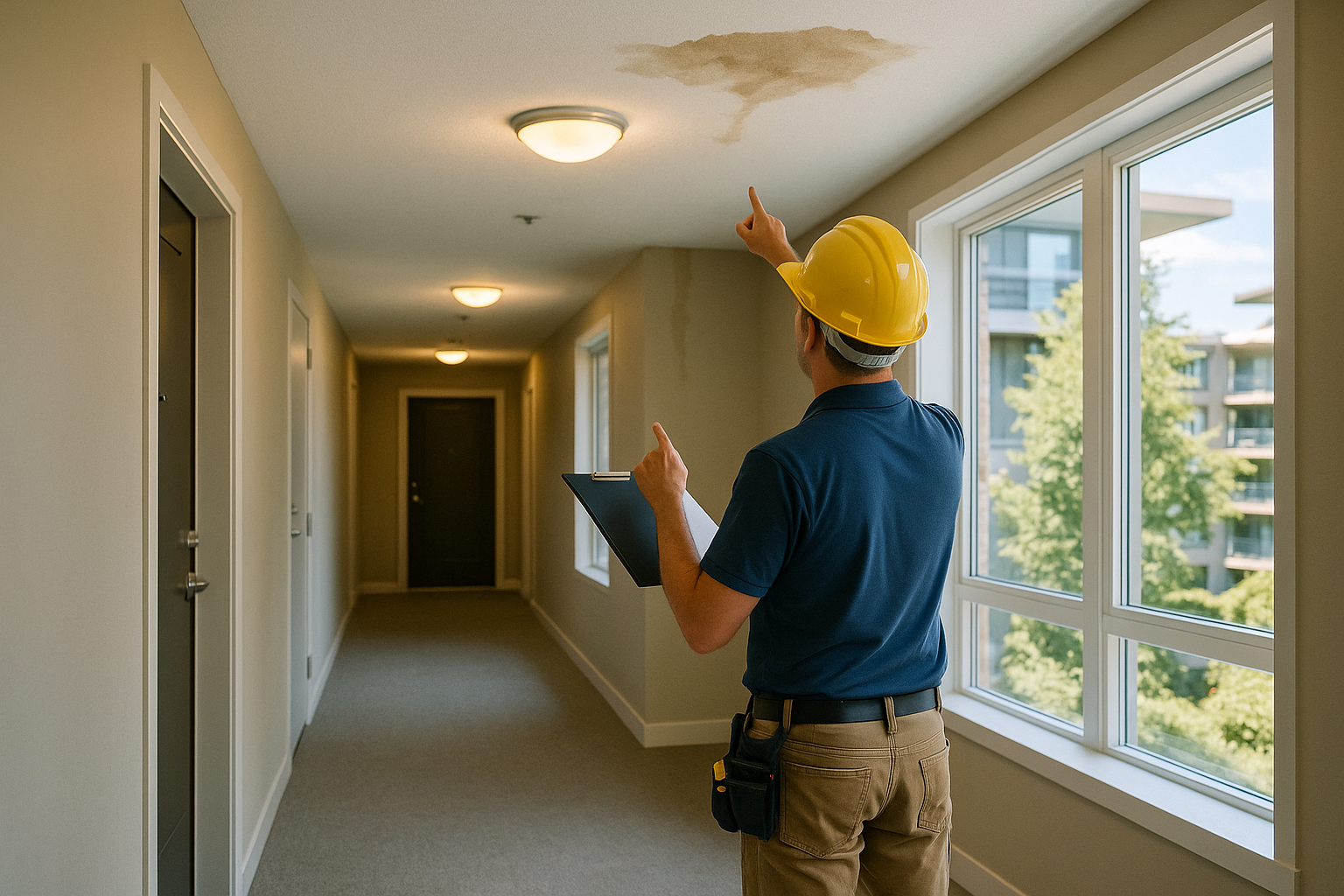
Describe the problem clearly and give precise details: where it is, when it started, and how it's affecting you or the common property. Photos are very helpful—snapshots of leaks, cracks, or malfunctioning equipment make your request much easier to understand. Include your unit number, contact information, and any steps you’ve already taken (such as turning off water or moving property away from damage).
What Happens After You Submit a Repair Request?
Once you submit your request, the manager or council typically logs the issue and will determine whether it’s the strata’s responsibility (common property or limited common property) or yours (inside your unit’s boundaries). If it’s the strata’s duty, they may schedule a repair, seek quotes, or add it to an upcoming meeting agenda. For urgent repairs, strata corporations often have emergency protocols—ask if you’re unsure what qualifies.
How to Follow Up If Repairs Aren’t Handled Promptly
If your repair hasn’t been addressed within a reasonable timeframe, follow up in writing referencing your original request and asking for a status update. If the issue persists, escalate by copying the council chair, requesting to speak at the next council meeting, or circulating a petition to other affected owners. If delays risk property damage or health and safety, flag this clearly in all communication. For more persistent issues, you may want to review advice on How to Work Effectively With Your Strata Council as a BC Owner.
What Are Your Options If the Strata Doesn't Act?
If your council or manager does not address a legitimate repair request, you can consider requesting a formal hearing with the council or, as a last resort, referring the matter to the Civil Resolution Tribunal (CRT). Documentation is essential—keep records of all requests, responses, and evidence of the problem. For transparency, you can also request past repair records under the right to access strata records, covered in How to Request Strata Records Under Section 35: Owner’s Guide to Transparency in Your Building.
Frequently Asked Questions
How do I know if my strata or I am responsible for a repair?
Responsibility depends on whether the affected area is common property, limited common property, or part of your unit. Review your strata plan and bylaws, and ask the manager or council if you’re unsure.
Should I call the property manager or strata council for urgent repairs?
For emergencies like floods or electrical hazards, call your property manager or emergency contact immediately. For non-urgent repairs, submit a written request so there’s a record.
What if the strata ignores my repair requests?
If your requests are repeatedly ignored, escalate by putting your concern in writing to council, requesting a hearing, and, if needed, filing a claim with the Civil Resolution Tribunal.
Can I arrange my own repair and bill the strata?
Generally, owners cannot arrange repairs to common property and expect reimbursement without prior written approval. Always get written consent from the council or manager first.
How long should a strata take to respond to a repair request?
There’s no set timeframe in law, but emergencies should be addressed right away. For regular repairs, a response within a few days to a few weeks is typical, but check with your strata for expected turnaround.
Conclusion
As a BC strata owner, clear communication and careful documentation are your best tools for getting repairs handled efficiently. By submitting detailed written requests and following up respectfully, you help keep your building in good shape—and protect your own interests. If you want help keeping track of your strata’s records, communications, or council decisions, consider using SearchStrata to organize and analyze your strata documents for key information.