Quick Answer
Early signs of a special levy in your BC strata include discussions of large repair projects, references to insufficient contingency reserve funds, and repeated mentions of deferred maintenance in council minutes or budgets. Watch for council communications about major work, budget shortfalls, or upcoming votes, as these commonly precede a levy. Careful review of strata records and open dialogue with council or management can help you spot a special levy on the horizon before formal notices appear.
What is a special levy—and why do stratas use them?
A special levy is a one-time charge to owners when the strata needs funds beyond what’s available in the operating or contingency reserve funds. Stratas most often use levies for major repairs (like roofing, building envelope work, or elevators) or urgent costs that aren’t covered in the budget.
Unlike regular strata fees, special levies can be substantial and are typically shared among owners based on unit entitlement. While the Strata Property Act sets specific voting and notice rules for approving a special levy, the underlying reason is usually an unexpected expense or a project the CRF can’t cover.
Where do early clues of a levy appear in strata documents?
References to possible levies often appear months—or even years—in advance within strata council meeting minutes, AGM/SGM packages, and financial statements. Council minutes may reference quotes for upcoming projects, consultation with engineers, or a growing concern over low reserve funds.
The annual budget and financial statements sometimes hint at needed work that’s been deferred or underfunded. Depreciation reports can also forecast major expenditures, flagging items that, if unaddressed, increase the likelihood of a levy. Thoroughly reviewing these documents for patterns or repetitive concerns will help you stay ahead of potential assessments.
What should owners watch for in council communications?
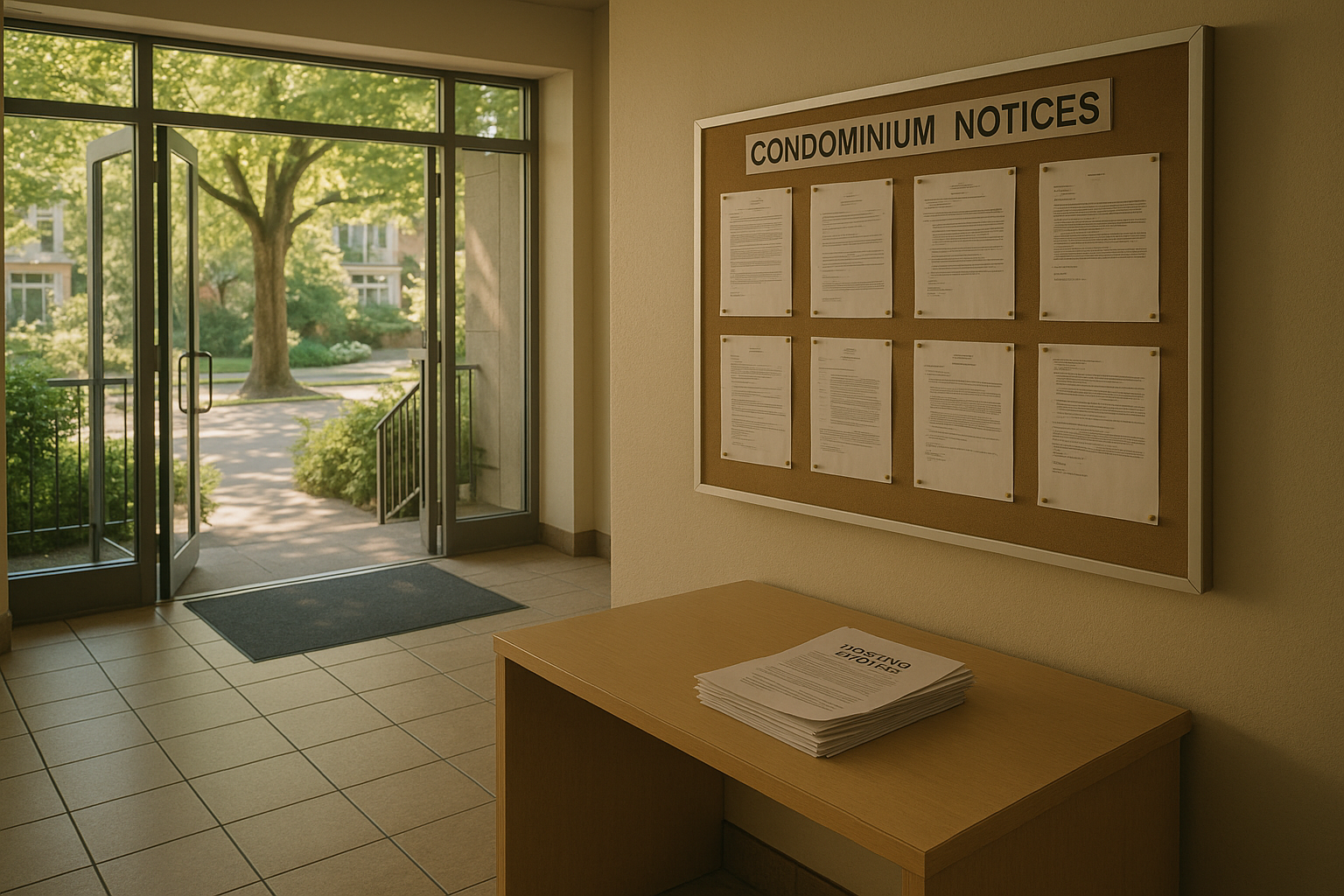
Owners should closely read council updates and notices for emerging themes about building issues or financial constraints. If you see repeated references to a specific repair, escalating costs, or requests for engineering studies, a special levy may be under consideration.
Other warning signs include:
- Invitations to attend information meetings about capital projects
- Notices about upcoming owner surveys regarding repairs
- Updates describing "budget challenges" or "contingency reserve limitations"
Even if council hasn’t explicitly mentioned a levy, vague language about "extraordinary expenses" or "financing options" often signals it’s being discussed.
How does the contingency reserve fund (CRF) relate to special levies?
If the CRF is too low to cover a major project or repair, the strata council may propose a special levy to make up the difference. Owners can spot this risk by noting trends in the CRF balance and comparing projected expenses with available reserves.
Many BC stratas, especially in older buildings or those in Vancouver, face persistent shortfalls between recommended CRF balances (often highlighted in the depreciation report) and actual savings. If your strata’s annual budget or recent AGM materials show the CRF declining while major projects loom, a levy proposal is likely not far behind.
What’s the typical warning period before a levy is approved?
Strata councils must formally notify owners of the specific amount, purpose, and payment schedule for a proposed special levy before an AGM or SGM. This notice period gives owners time to review, ask questions, and prepare to vote.
However, informal signs often precede this notice by several months through council minutes and updates. To avoid surprises, make it a habit to read monthly council communications and AGM packages, as levy discussions often start well before the official vote. If you're not sure how to decode these records, tools like SearchStrata can help analyze your building’s documents for patterns and red flags.
Frequently Asked Questions
How can I find out if a special levy is being planned in my strata?
Review recent council minutes, AGM/SGM packages, and financial statements for references to major repairs, reserve shortfalls, or planned votes. Directly asking your council or property manager can also provide clarity.
Can owners stop a special levy from going ahead?
A special levy requires approval by a certain voting threshold at a general meeting. Owners can vote against it, propose alternatives, or advocate for more phased work, but a critical urgent repair may leave few other options.
How are special levies divided among owners?
Special levies are generally allocated based on unit entitlement, so each owner pays a share proportional to the size of their unit compared to the whole strata. Check your strata plan for exact details.
Where do I look in the minutes or documents for levy warnings?
Watch for repeated mentions of building repairs, engineering reports, contingency fund shortages, or discussions about "funding options" in council minutes and annual reports.
What happens if I can’t pay a special levy on time?
Stratas must set out a payment due date for each levy. If an owner can’t pay, late penalties or interest could apply, and the strata has legal remedies, so it’s important to speak with your council or manager immediately.
Conclusion
Being proactive about reading your strata’s minutes, budgets, and council updates is the best way to avoid unpleasant surprises from a special levy. If you notice recurring concerns about major repairs or dwindling reserves, don’t be afraid to ask questions or seek more details. For those who want an extra layer of certainty or help tracking building issues over time, using a tool like SearchStrata can make reviewing your strata documents faster and help you spot red flags before the next levy arrives.