Quick Answer
Special levies in BC strata buildings are often foreshadowed by patterns in meeting minutes, financial statements, and depreciation reports. Owners can spot early warning signs such as repeated mentions of unfunded repairs, low contingency reserve fund balances, or increasing reports of major building issues. Regularly reading strata minutes, reviewing your building's financials, and understanding your depreciation report can help you anticipate a special levy before it arrives.
What Is a Special Levy in a BC Strata?
A special levy is a one-time assessment approved by a 3/4 vote of owners at a general meeting, used to pay for specific expenses that the operating budget and contingency reserve fund (CRF) cannot cover. The resolution must state the purpose, the total amount needed, each strata lot's share, and the due dates. Special levies often arise for sudden building repairs, envelope projects, or required upgrades that exceed the available funds.
How Meeting Minutes Reveal Warning Signs
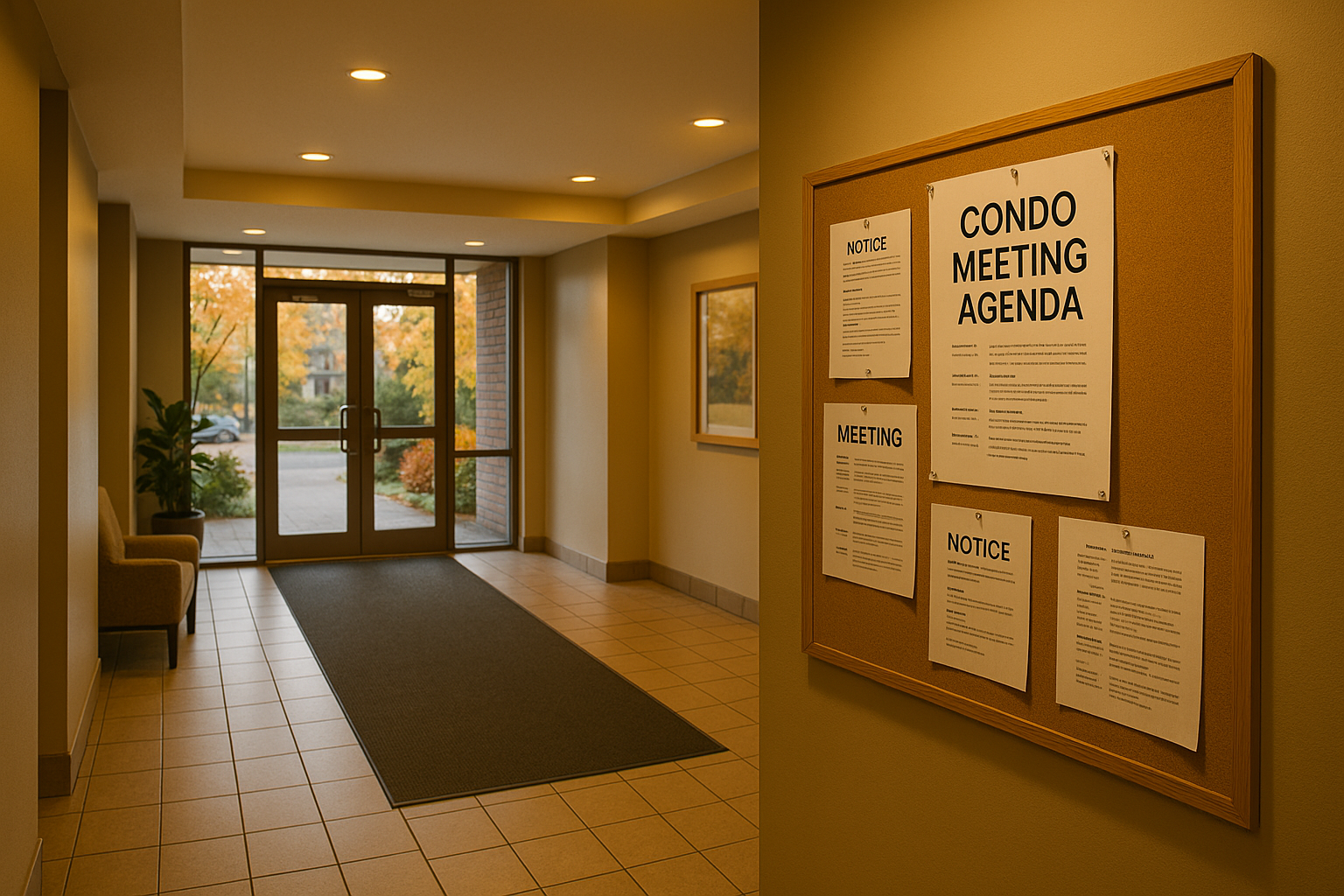
Meeting minutes are the earliest place most owners will see discussion of looming major expenses. Watch for repeated agenda items about persistent leaks, elevator issues, engineering reports, or references to "unfunded" capital projects. If council minutes mention that repairs are being postponed due to lack of funds or that the CRF is insufficient to cover projected costs, these are practical signs a special levy may be on the horizon. Reviewing minutes for several months or years in your Vancouver or Burnaby building often reveals patterns other owners miss.
Checking the CRF and Financial Statements for Strain
A low contingency reserve fund (CRF) balance relative to upcoming expenses is a red flag. If the strata's annual financial statements or budget discussions show that the CRF is not keeping pace with recommendations in the depreciation report, or if urgent repairs are noted as "unbudgeted," this can mean a special levy is likely. Where funding for major projects is repeatedly deferred, owners should verify whether the minimum required CRF contributions are being met and compare these to the estimates in the most recent depreciation report. For a deeper financial context, see How to Read and Understand Your Strata’s Monthly Financial Statements as a Condo Owner.
What the Depreciation Report Tells You About Future Levies
The depreciation report projects major repair timelines and costs for building components, helping strata plan long-term. If the report highlights upcoming projects—like roof replacement or envelope repair—that are not matched by current CRF savings or annual contributions, a special levy may become necessary. Newer strata plans in Surrey or Richmond often list multiple funding scenarios; if your strata is following a bare-minimum scenario, watch for gap years where the report anticipates underfunding. Owners should confirm with their strata manager or the official regulation for the latest depreciation report requirements and deadlines.
How to Stay Informed and What to Do Next
To stay ahead of potential special levies, regularly review council meeting minutes, annual budgets, and the depreciation report for your building. If your building uses SearchStrata, you can analyze your strata package for mentions of major unfunded expenses or repeated repair discussions. If you spot warning signs, raise questions with your council or strata manager, or request clarification at the next general meeting. Staying informed makes it easier to budget for surprises and to have a meaningful voice when a levy is proposed.
Frequently Asked Questions
What is the difference between a special levy and a strata fee increase?
A special levy is a one-time charge to pay for a specific expense, while a strata fee increase raises the ongoing monthly contributions owners pay for regular expenses and savings.
How much warning do owners get before a special levy is due?
Owners receive notice before the meeting where a special levy is voted on, including the levy purpose, amount, and payment dates. The levy only proceeds if approved by a 3/4 vote at a general meeting.
Can the contingency reserve fund (CRF) be used instead of a special levy?
Strata corporations can use the CRF for major repairs with a 3/4 vote, but if the fund is too low or the expense is not covered, a special levy may be required to raise additional money.
Where can I find out if my building has an upcoming special levy?
Review recent general meeting minutes or budget packages, and check with your strata council or manager for any pending levy proposals or discussions.
What should I do if I suspect a special levy is coming but nothing is confirmed yet?
Continue monitoring minutes and financials, ask questions of council or management, and consider raising your concerns at the next meeting so owners can discuss and plan ahead.
Conclusion
Anticipating a special levy in your BC strata isn’t always straightforward, but careful attention to meeting minutes, financial statements, and depreciation reports can give you a valuable head start. If you want to analyze your strata package for early warning signs or recurring unfunded repairs, consider using SearchStrata to quickly surface the most important details. Staying informed lets you budget wisely and take an active role in your community’s decisions.