Quick Answer
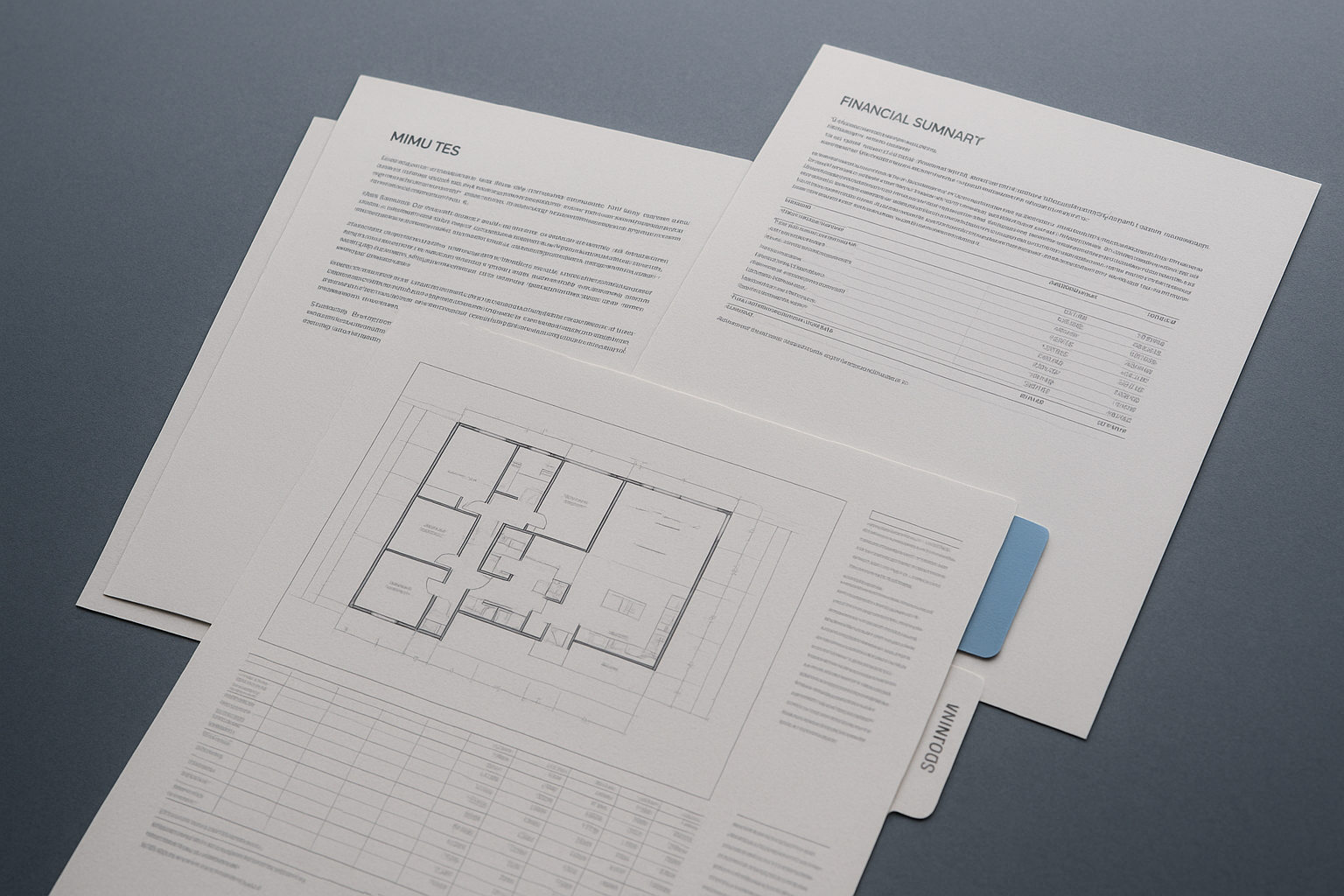
The earliest signs that your BC strata may be heading for a special levy often appear in strata council meeting minutes, AGM packages, depreciation reports, and the annual budget. Owners should watch for repeated mentions of major repairs, underfunded contingency reserves, or emergency expenditures—especially if these issues resurface over several meetings. Reviewing these documents carefully can give you advance warning and more time to prepare.
What Is a Special Levy and When Is It Used?
A special levy is a one-time assessment approved by owners at a general meeting for a specific purpose, such as urgent repairs or major replacements — a 3/4 vote is enough if each lot's share is worked out the usual way by unit entitlement, but if the strata divides the cost some other fair way, the vote has to be unanimous.
Unlike regular strata fees, special levies are not for ongoing expenses—they are for costs that exceed your building’s regular operating and contingency plans. In Vancouver and other BC cities, they often arise after unexpected building envelope failures, major plumbing issues, or when the contingency reserve fund (CRF) is insufficient.
The resolution for a special levy must state the purpose, the total amount, each strata lot’s share, and the payment due dates. Once passed, the levy funds can only be used for the stated purpose. If there’s a surplus after the work is done, the Act sets out what happens next (typically a refund to owners or transfer to the CRF).
Owners are sometimes caught off-guard by large special levies, but early signs are usually present in meeting records and financial documents.
How Do Early Warning Signs Show Up in Strata Council Minutes?
Strata council minutes are often the first place you’ll see recurring problems discussed—sometimes well before any formal proposal for a special levy.
Look for repeated mentions of big-ticket repairs (like roof replacement, plumbing failures, window leaks) or growing expenses that can’t be covered by current funds. If council is seeking engineering reports or consulting with contractors, that can signal that significant work is on the horizon.
Discussions about deferring maintenance, borrowing from the CRF, or needing multiple quotes for large projects may also surface. These patterns, especially if raised over several meetings, can foreshadow a future special levy. For a deeper dive, see What BC Strata Owners Need to Know About Requesting and Reading Strata Council Meeting Minutes.
What Can You Learn From the Depreciation Report and CRF?
Both the depreciation report and the state of the contingency reserve fund (CRF) offer valuable clues about upcoming funding gaps.
The depreciation report projects major repair and replacement costs over the next 30 years and models how the CRF might perform under different funding plans. If your strata’s actual CRF balance is much lower than the report’s recommended model—or if projected expenses are imminent—the risk of a special levy increases.
Owners should review the depreciation report for upcoming “high-risk” items highlighted in the next 3–5 years, and check the annual financial statements to see if the CRF is healthy enough to handle those. If not, a special levy may be the only option.
How Does the Annual Budget and AGM Package Reveal Funding Pressures?
The annual budget and AGM package set out your strata’s plan for the coming year—and where the gaps are.
If you notice large increases in the budget’s maintenance or repair lines, or if the AGM notice includes special resolutions for large projects, those are key signals. Sometimes, the budget notes will mention shortfalls in the CRF or pending expenses that can’t be funded from regular strata fees.
Owners should read the AGM package carefully and attend the meeting with questions if a substantial future expense is referenced. If a special levy is being considered, the proposed resolution will appear in the package, including the amount, purpose, and payment schedule.
How Can Owners Prepare for a Special Levy Before It’s Official?
Preparing early gives owners more options and fewer surprises.
If you spot the warning signs—a major repair identified in minutes or the depreciation report, a low CRF, or escalating maintenance needs—start setting aside funds, seek clarification from council, and consider connecting with fellow owners. You may want to request specific records that the Act requires the strata to keep to better understand the building’s needs or even get involved with council discussions.
For a structured review, some owners use tools like SearchStrata to analyze meeting minutes and financials for recurring issues or underfunded projects, helping them anticipate levies before formal notice is given.
Frequently Asked Questions
What is the difference between a special levy and strata fees?
Strata fees are regular monthly payments for ongoing operating and maintenance expenses, while a special levy is a one-time assessment for a specific purpose that needs a 3/4 vote at a general meeting if each lot's share is worked out the usual way by unit entitlement, and a unanimous vote if the cost is divided some other way.
Where do I find out if a special levy is planned for my strata building?
Details of any planned special levy will appear in AGM or SGM notices, proposed resolutions, and council meeting minutes. Owners can request strata records to check for upcoming votes or discussions. Prospective buyers should ask the seller or their agent for these documents.
Can the strata council approve a special levy on its own?
No, only the owners can approve a special levy: if each lot's share is calculated the usual way under the Act's unit entitlement rules, it takes a 3/4 vote at an annual or special general meeting, but if the cost is split some other way that's fair for that particular levy, it takes a unanimous vote. Council cannot impose a levy without owner approval.
What happens if a special levy is not paid?
Unpaid special levies can be the basis for a lien against a strata lot. A Form F Certificate of Payment, confirming no arrears, is required before a unit can be transferred.
How can I avoid being surprised by a special levy?
Owners can avoid surprises by reading council meeting minutes, reviewing the depreciation report and CRF balance, attending AGMs, and staying involved with building communications.
Conclusion
Special levies can feel like they come out of nowhere, but most have warning signs that attentive owners can spot in advance. By reading strata council minutes, reviewing the depreciation report and CRF, and engaging with your AGM package, you can anticipate major funding needs and prepare well ahead of time. For help tracking risks and patterns in your strata’s documents, consider using SearchStrata to analyze your strata package and catch early signals before they become urgent.