Quick Answer
Strata councils in BC are legally required to obtain and review depreciation reports at least once every five years, and there is no longer a 3/4-vote option to opt out. Depreciation reports help councils understand future repair and replacement costs, guiding contingency reserve fund (CRF) planning and special levy decisions. Councils must interpret these reports prudently, ensure the CRF is adequately funded, and communicate transparently with owners.
What is a depreciation report, and why does it matter for strata councils?
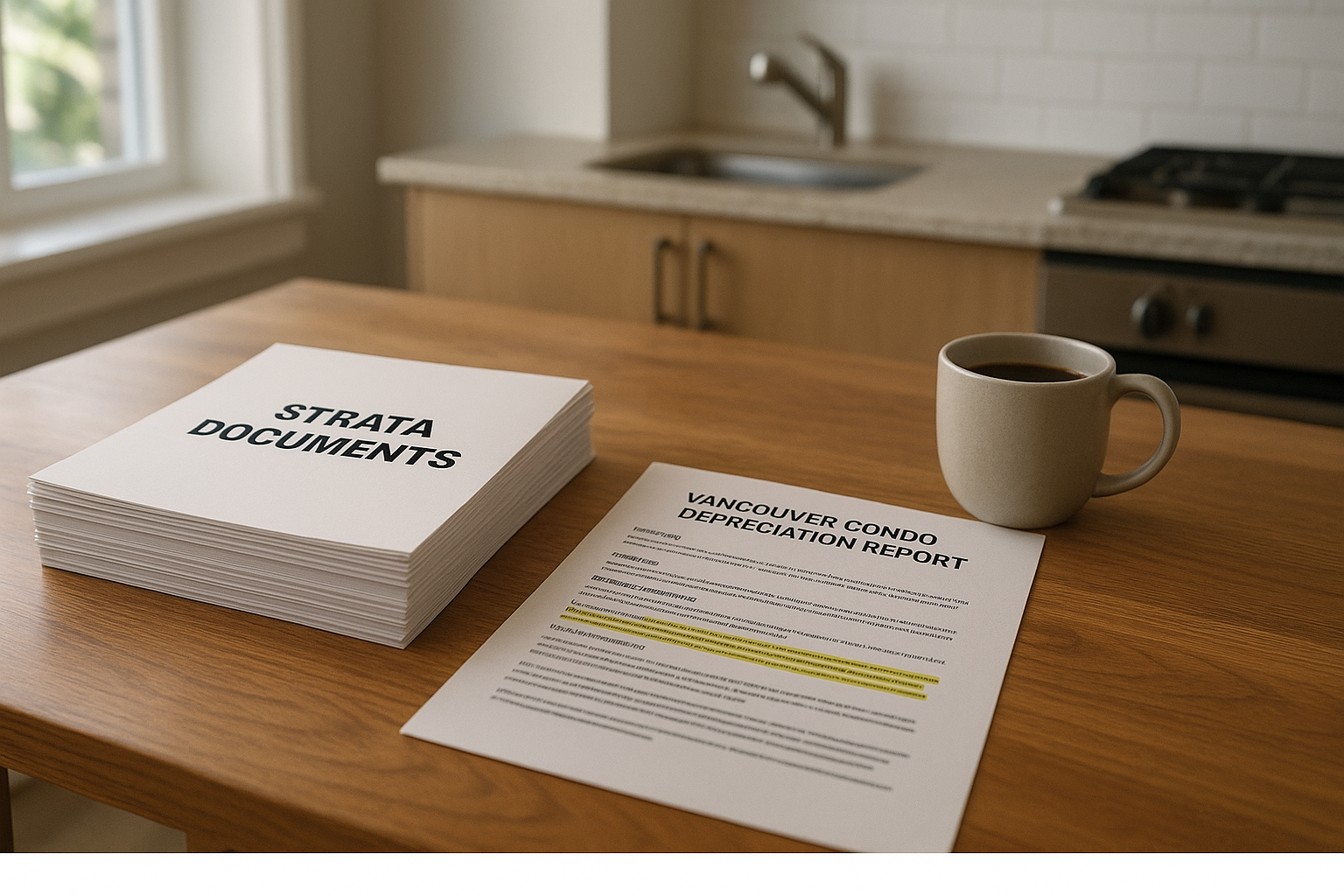
A depreciation report is a professional assessment of anticipated repair and replacement costs for common property over at least 30 years. It’s the council’s roadmap for long-term asset management under the Strata Property Act.
The report covers major components—roofs, plumbing, elevators, windows, and more—estimating remaining life and projected costs. This enables council to plan for necessary repairs without unexpected funding crises. In Vancouver and other BC cities, these reports are foundational for responsible budgeting.
Without regular, high-quality depreciation reports, strata corporations risk underfunded CRFs, urgent special levies, and declining asset value. Owners expect informed stewardship; the depreciation report is their assurance of council’s diligence.
How should strata councils interpret and act on a depreciation report?
Strata councils should review both the summary and detailed schedules, focusing on cash flow projections and component lifespans. Councils are expected to use these projections to guide annual CRF contributions and prioritize major projects.
Look for items nearing end-of-life and compare projected funding needs against your CRF balance. If a major project looms (roof, windows), start CRF discussions early to avoid last-minute levies. Use report recommendations to inform your next budget cycle and AGMs.
Engage owners by explaining how the depreciation report informs both short- and long-term planning. This builds trust and increases buy-in for necessary funding increases or scheduled projects.
What are the legal requirements around depreciation reports and CRF funding?
BC’s Strata Property Act requires most strata corporations with five or more lots to obtain a new depreciation report at least every five years. Owners can no longer waive or defer this requirement by a 3/4 vote at an AGM or SGM — the only exemption now is for strata plans with fewer than 5 strata lots.
However, opting out repeatedly is risky and often frowned upon by lenders and prospective buyers. Councils must also ensure the CRF is maintained for expenses that are usually less frequent than annually. There’s no strict minimum CRF balance, but prudent councils review professional recommendations and regulatory guidance.
Transparent communication when CRF contributions are increased—especially in rapidly appreciating markets like Richmond—can prevent owner pushback or confusion.
How do depreciation reports fit into annual budgeting and maintenance planning?
Councils should use depreciation report projections as a baseline for annual budgets and maintenance schedules. Treat the report as a live document that guides both immediate repairs and long-term savings strategies.
During budget season, cross-check the report’s funding scenarios against your own balance and planned expenses. If the report’s recommended CRF contribution is higher than your current practice, consider a staged increase over a few years. Refer to existing posts on building a defensible strata budget for process tips.
Scheduling proactive repairs—even before components fail—can save money in the long run and smooth out CRF spending. Councils in Victoria often use multi-year maintenance calendars to avoid surprises.
What should council do if the depreciation report identifies a funding gap?
If your strata faces a projected shortfall—where future costs outpace CRF growth—council should act decisively to close the gap. Options include increasing CRF contributions, recommending a special levy, or rescheduling non-urgent projects.
Communicate clearly to owners why financial adjustments are needed and reference the report’s findings, not just council opinion. Provide several scenarios (e.g., staged increases, one-time special levy) to foster an informed discussion.
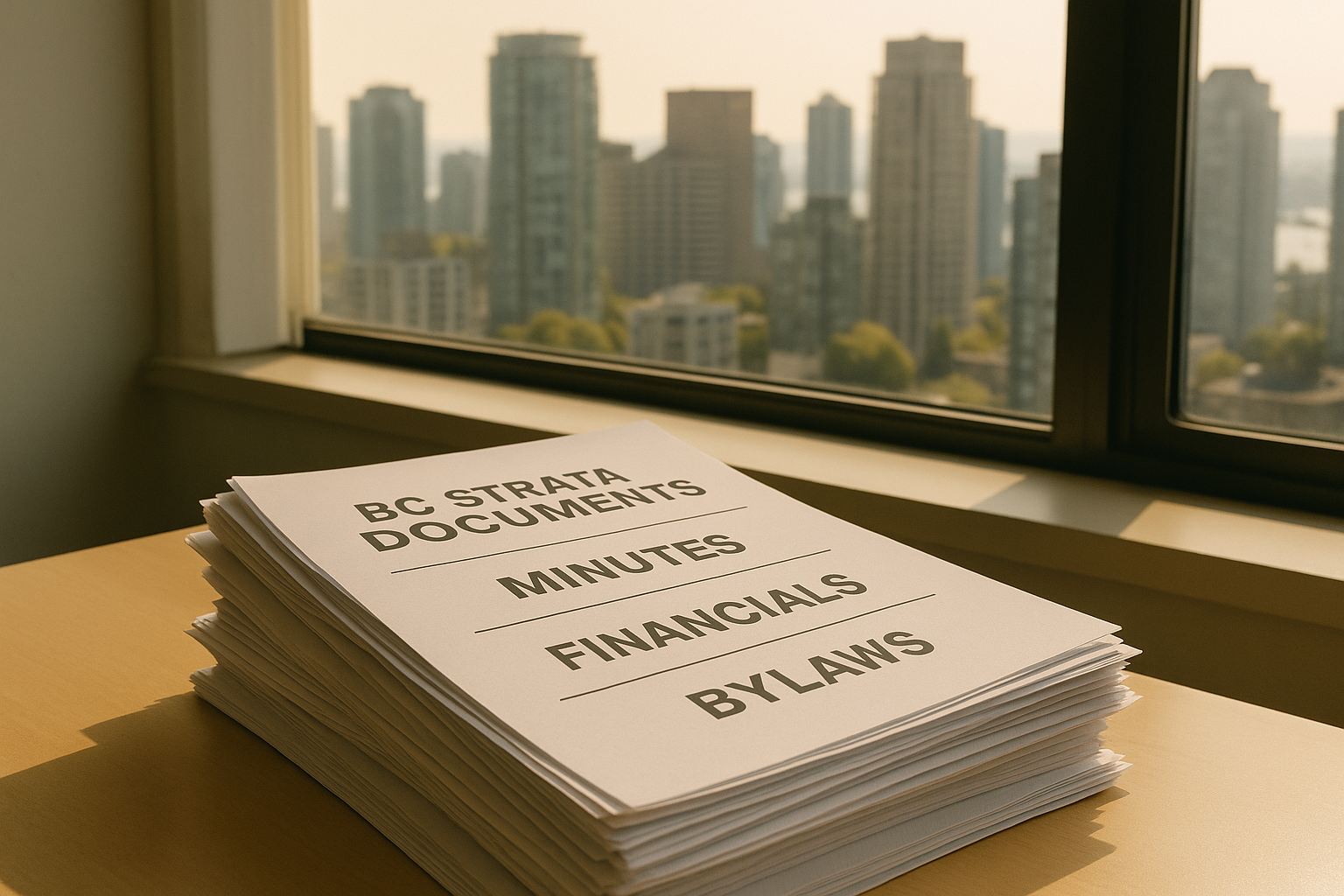
Digital tools like SearchStrata can help council analyze and communicate report findings, making complex data accessible to all owners and streamlining document review.
Frequently Asked Questions
How often must a BC strata corporation obtain a depreciation report?
Most BC strata corporations with five or more strata lots are required to obtain a new depreciation report at least once every five years, and the deadline for your first or next report depends on when the strata corporation was established and where it is located.
What happens if our CRF is lower than the report recommends?
If the contingency reserve fund is below recommended levels, council should consider increasing annual contributions or proposing a special levy. Transparent communication and proactive planning can prevent financial stress for owners.
Can a strata corporation opt out of getting a depreciation report?
No — the 3/4-vote exemption is gone, and a strata corporation must now obtain a new depreciation report at least once every 5 years, on the deadlines set for it. However, frequent opt-outs can affect property value and financing options.
Who should prepare a depreciation report?
Depreciation reports must be prepared by qualified professionals, such as engineers or certified reserve planners, who have experience with building systems and financial forecasting for strata corporations.
How should council present depreciation report findings to owners?
Council should summarize key findings at AGMs and in communication materials, highlighting upcoming expenses, funding scenarios, and the rationale for any proposed changes to CRF contributions or special levies.
Conclusion
A well-prepared, regularly updated depreciation report is the cornerstone of responsible strata governance in BC. Councils that use it as an active planning tool—rather than a formality—protect property value and reduce the risk of unpleasant financial surprises. By understanding your report, communicating findings, and making data-informed decisions, you’ll help your strata thrive. If your council needs a more effective way to interpret or communicate report data, consider using SearchStrata to analyze your strata package and simplify owner communications.