Quick Answer
A BC strata building’s construction material, age, storeys, unit count, and management history can be pieced together from public records like land title filings, BC Assessment, municipal data, and the strata plan itself. These sources reveal whether a building is wood-frame or concrete, its construction era, how many homes and floors it has, and its strata plan number and manager—often before you see a single internal document.
How do public records reveal a building’s age and materials?
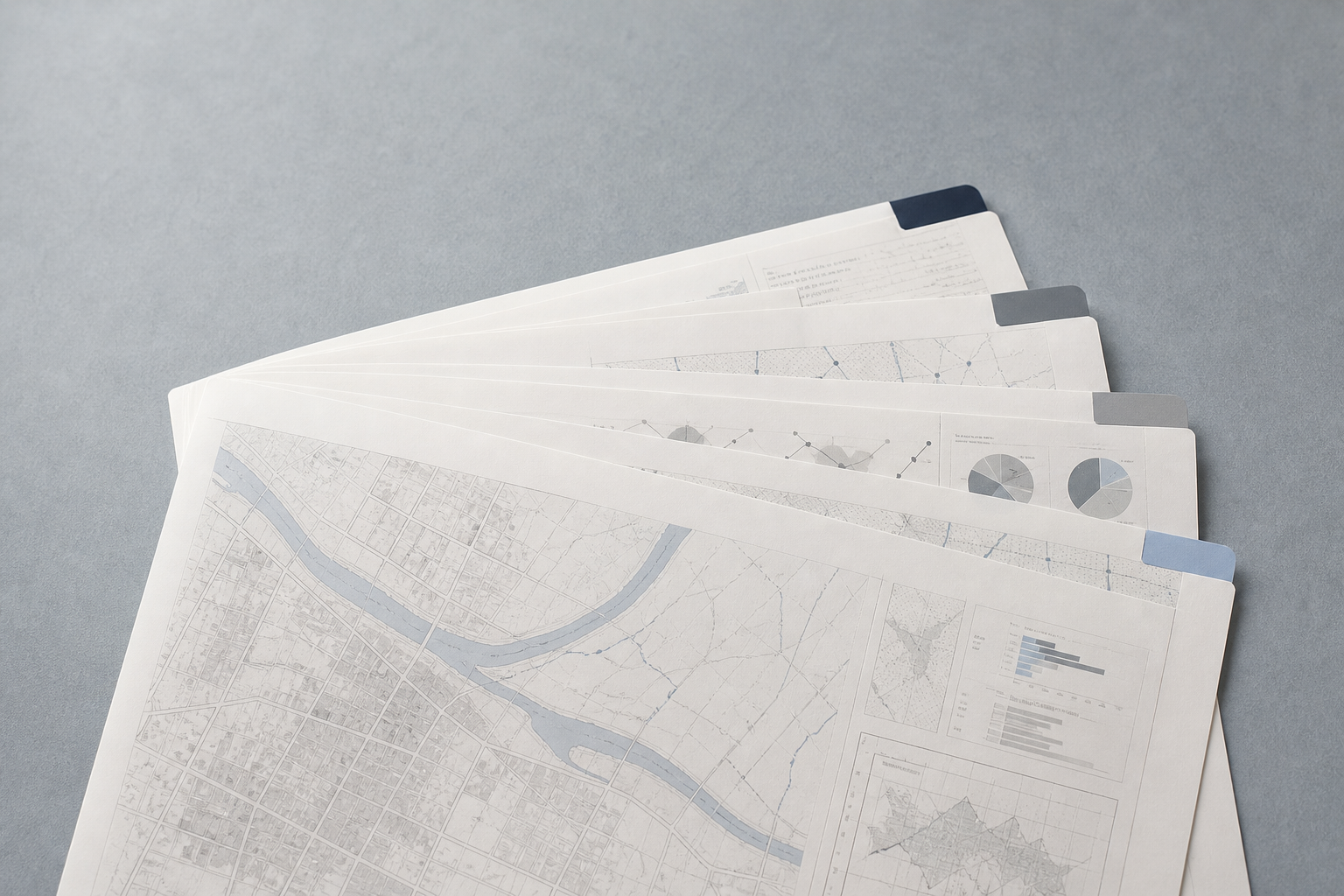
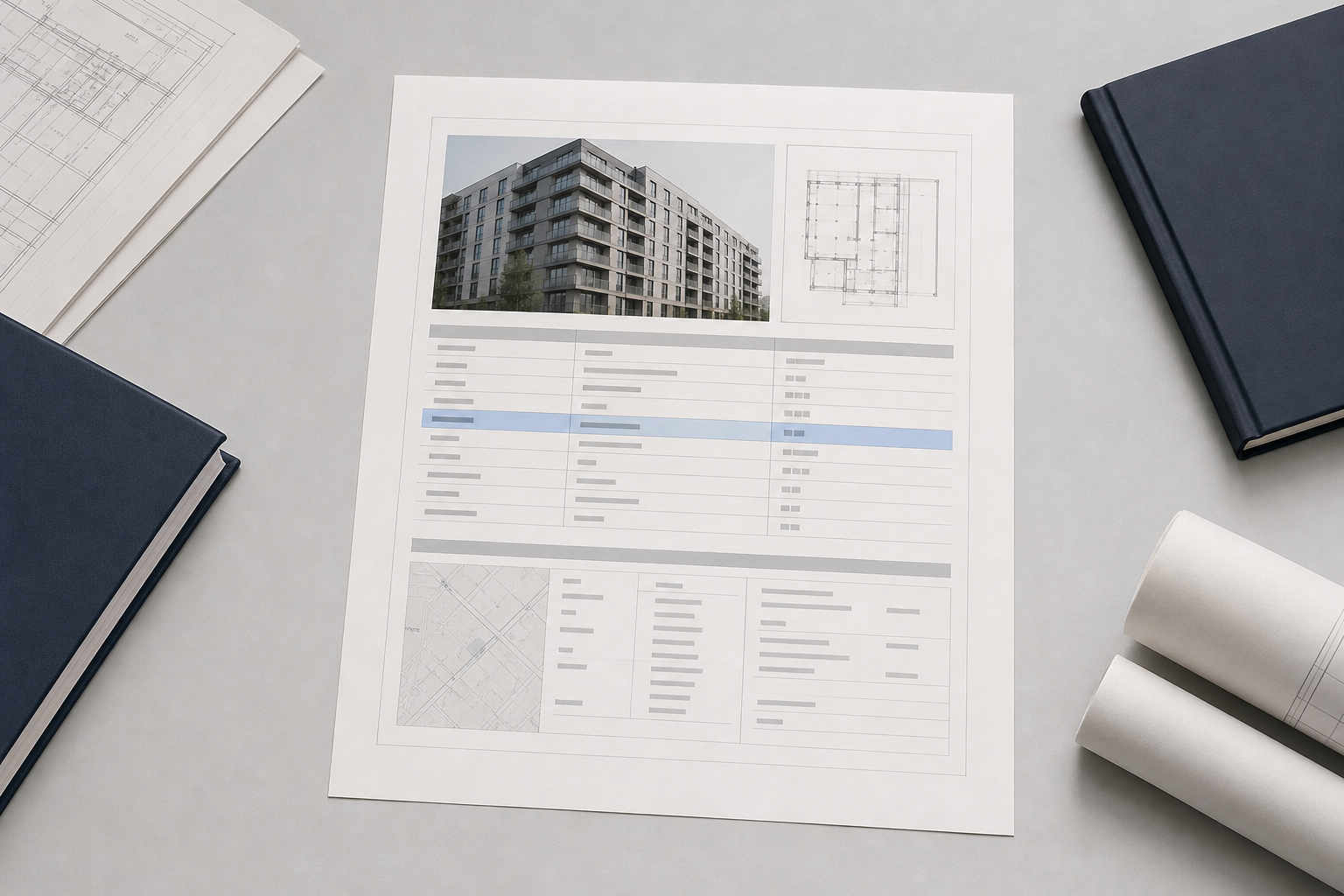
Public records such as land title filings, BC Assessment, and municipal property data provide the building's year of completion and its basic construction details. For example, BC Assessment lists the year built, number of storeys, and often distinguishes between wood-frame and concrete construction. These clues help buyers in Vancouver, Surrey, or Victoria spot buildings from what is commonly referred to as the leaky-condo era (generally considered to be wood-frame buildings constructed in the 1980s and 1990s) versus more modern rainscreened or concrete towers. Recognizing the era and material is an early step in understanding maintenance and envelope risks, before you even reach the strata documents.
What can the strata plan number tell you?
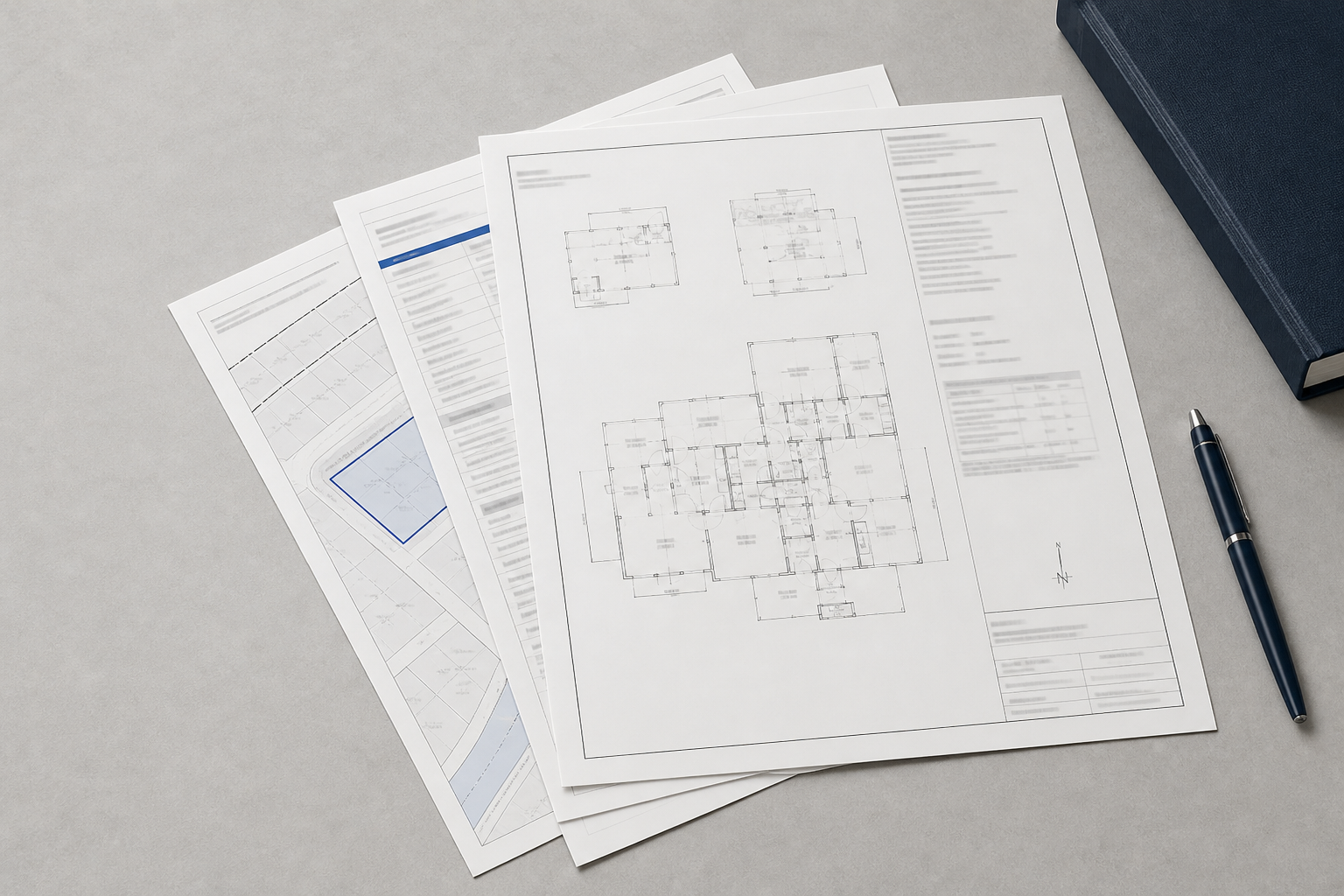
The strata plan number (like LMS1234 or EPS5678) uniquely identifies the strata corporation in BC and links it to all official filings and documents. You’ll find this number on the title search, the BC Assessment page, and the Land Title and Survey Authority’s records. It’s essential for searching strata-specific data—such as past court filings, engineering reports, or council meeting minutes tied to that legal identity. This number also helps distinguish between buildings with similar street addresses or marketing names.
Where do you find unit counts and storeys?
Unit count and number of floors appear in several public sources: BC Assessment details, municipal open data, and the original strata plan drawing. For example, the assessment roll typically lists both the residential unit total and, if relevant, any commercial units. Municipal property reports for cities like Burnaby or Richmond may confirm storey count, unit mix, and zoning, helping you understand the building’s scale and density. Accurate unit counts are key when comparing amenities, fees, or just gauging community size.
How do you identify the strata manager and remediation history?
Public records may name the current strata management firm, especially in recent land title filings or through city-maintained lists for registered managers. Past remediation—such as envelope replacements or major building repairs—sometimes appears in municipal permits, news archives, or BC Assessment notes. For deeper detail, the actual records like AGM packages, depreciation reports, and minutes provide confirmation, but knowing a building’s visible repair history before reviewing those documents can frame your expectations. Major remediation events are especially relevant for wood-frame buildings from the 1980s–90s in New Westminster or Coquitlam, where envelope replacement is common.
Why do different sources describe the same building differently?
Each public record has its own language and purpose, which can lead to differences in how a strata building is described. Land title records focus on legal lot boundaries and plan numbers, while BC Assessment emphasizes value, year built, and size. Municipal open data may list actual versus legal unit counts, permit history, and zoning, all of which add context. Cross-referencing these sources helps confirm key facts—like building age and construction type—and highlights discrepancies worth investigating. For an in-depth guide to this process, see How to Read a BC Strata Building’s Structure and History from Public Records.
Frequently Asked Questions
How can I tell if a BC strata building is wood-frame or concrete?
You can often determine the construction type by checking BC Assessment, the strata plan, and municipal property data—all of which may state whether the building is wood-frame or concrete.
What is the significance of the leaky condo era in BC?
Buildings from what is commonly called the leaky condo era—generally wood-frame buildings constructed in the 1980s and 1990s—frequently faced water ingress issues, so buyers often scrutinize their remediation history carefully.
Where do I find how many units are in a strata building?
Unit counts are listed in BC Assessment records, municipal property reports, and on the original strata plan, allowing buyers to verify the size of the building community.
How do I identify the strata corporation for a specific building?
The strata plan number uniquely identifies the corporation; you’ll see it on the title search, BC Assessment, and land title filings associated with the property.
Can I find out if major repairs have happened before I see strata documents?
You may find evidence of major repairs or remediation in city permit records, local news, or assessment notes, but full details are usually in the official strata documents.
Conclusion
Understanding a BC strata building’s age, construction, and identity from public records helps buyers and realtors focus their attention before requesting the strata documents. By piecing together details from BC Assessment, land title filings, municipal open data, and the strata plan number, you can clarify the building’s story and spot any high-risk eras or major repairs. For deeper investigation, try SearchStrata free to look up any BC strata building’s public profile instantly.