Quick Answer
BC strata owners can work effectively with their strata council by understanding the council’s role, communicating clearly and respectfully, participating in meetings, and following formal procedures for requests or concerns. Building a productive relationship starts with knowing what council can and can’t do—and how owners and council are meant to collaborate under the Strata Property Act.
What Does a Strata Council Actually Do?
A strata council is a group of owners elected to manage the strata corporation’s affairs, from daily operations to enforcing bylaws and overseeing finances. Council acts on behalf of all owners, making decisions as a group, not as individuals.
Council’s responsibilities include calling and running meetings, budgeting, organizing repairs, dealing with bylaw breaches, and communicating with owners. However, major decisions—like bylaw changes or special levies—require votes by all owners at a general meeting. The council must act honestly, in good faith, and in the best interests of the strata as a whole (Strata Property Act, s. 31).
In practical terms, this means the council handles maintenance scheduling, contracts (like landscaping or cleaning), and responding to owner concerns. But they’re not paid professionals; most are volunteers with other jobs and commitments.
How Can Owners Communicate Effectively With Council?
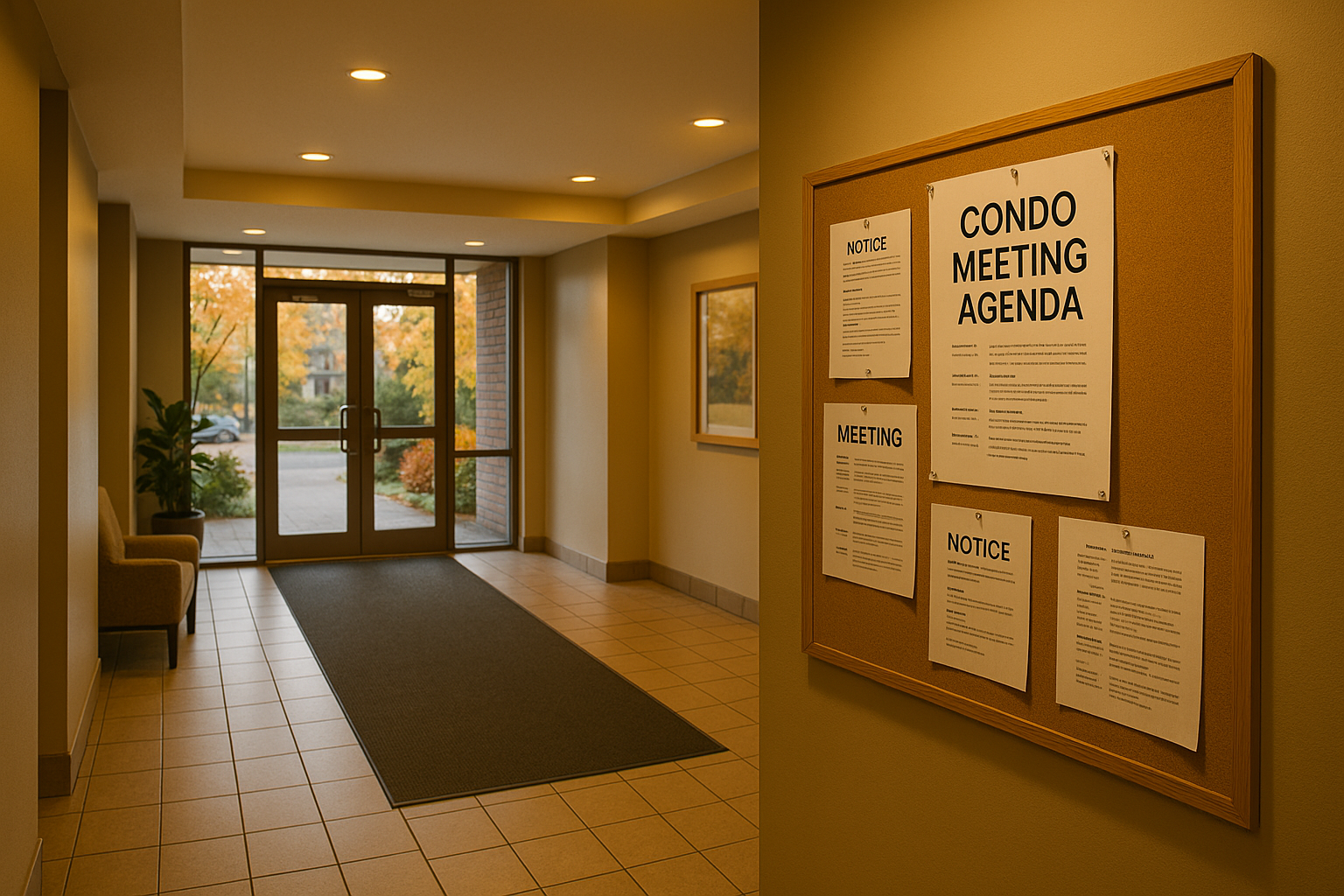
Clear, respectful communication is key to getting results from your strata council. Owners can usually contact council by email, through a strata manager, or by written letter—addressed as specified in the notice board or last AGM package.
State your concern or request plainly and include relevant details (unit number, dates, photos if needed). If you want a response at the next council meeting, ask for your item to be added to the agenda. Be aware that council must keep certain matters confidential but is expected to address owner correspondence in due course.
If you feel your concerns aren’t heard, you can request a hearing before council—a formal right under the Strata Property Act. Council must provide an opportunity within a specified time and respond after the hearing. For more on requesting records or using meeting minutes, you can read How BC Strata Owners Can Request and Use Section 35 Records Effectively.
When Should Owners Get Involved in Council Business?
Owners can—and should—get involved in council business when decisions affect their property, fees, or quality of life. You don’t need to be a council member to participate in meetings, submit feedback, or vote on resolutions.
Attend general meetings (like AGMs or SGMs) to hear updates, ask questions, and vote—this is when key decisions are made. If you notice a building issue or have an idea for improvement, raise it formally. Joining a committee (for gardening, security, etc.) is another way to contribute without the obligations of a full council role.
If you’re considering joining council or just want a say in how things run in Vancouver or elsewhere, familiarize yourself with your building’s bylaws and rules. Participation can be as simple as attending meetings regularly and staying informed.
What Are Common Sources of Friction—and How Can Owners Help?
Most owner–council friction arises from misunderstandings about roles, slow responses, or unclear communication. Council isn’t empowered to make every decision alone, and some requests may be outside their authority.
Avoid frustration by:
- Checking what the bylaws actually say before making a request.
- Respecting council's volunteer status and meeting timelines.
- Using the formal hearing process if needed, rather than relying on informal pressure.
- Reviewing council meeting minutes to stay aware of ongoing issues and rationale for decisions.
If you’re facing a complex issue—like repeated bylaw complaints or a financial decision—consider reading the post on How to Interpret Strata Council Decisions as a BC Condo Owner for tips on getting clarity.
Tips for Building a More Productive Owner–Council Relationship
Building trust between owners and council benefits everyone in the strata. Here are practical ways to foster a better relationship:
- Read your building’s AGM and SGM packages, minutes, and financials so you’re informed before raising concerns.
- Use clear, courteous language in emails or letters.
- Volunteer for committees or help with projects you care about.
- Respect council privacy on confidential personnel or legal matters but expect transparency on routine decisions.
- If you want to analyze your strata package or council communications more efficiently, tools like SearchStrata can help highlight key issues and patterns.
A collaborative approach preserves property values, improves living conditions, and reduces stress for everyone in the building.
Frequently Asked Questions
What decisions can strata council make without owner approval?
Strata council can manage day-to-day operations, minor repairs, enforce bylaws, and spend within the approved budget, but major decisions like special levies or bylaw changes require owner votes at a general meeting.
How do I request a hearing with my strata council?
Owners can request a hearing by sending a written request to the council, typically by email or letter. The council must offer a hearing within a set timeframe and respond following the meeting.
Can council members be removed mid-term?
Owners may be able to remove a council member by majority vote at a general meeting if the strata's bylaws allow for it. The process is typically outlined in the strata's own bylaws, so owners should review those for details.
Are council meetings open to all owners?
Council meetings are not automatically open to all owners, but owners may be invited to attend for specific agenda items, especially if they've requested a hearing or submitted an issue for discussion.
Is council responsible for enforcing all bylaws and rules?
Yes, the strata council is responsible for enforcing bylaws and rules but must follow proper procedures, including giving written particulars and a chance for the owner or tenant to respond before imposing fines or other remedies.
Conclusion
A strong relationship with your strata council makes life better for everyone—and helps owners protect their investment and community. By understanding the council’s role, communicating clearly, and participating in key meetings, you set the stage for smoother, more effective governance. If you want to analyze council communications or better understand your strata’s documents, consider using SearchStrata to save time and spot potential issues early.