Quick Answer
BC buyers frequently miss important risks and restrictions when reviewing strata documents before writing an offer. To make an informed decision, you should look for red flags in the minutes, Form B, depreciation report, financials, and bylaws—paying close attention to special levies, contingencies, insurance issues, and restrictions that could affect your lifestyle or costs. Always verify what’s current with official documents or a professional, as rules and requirements can change.
Which strata documents matter most before you offer?
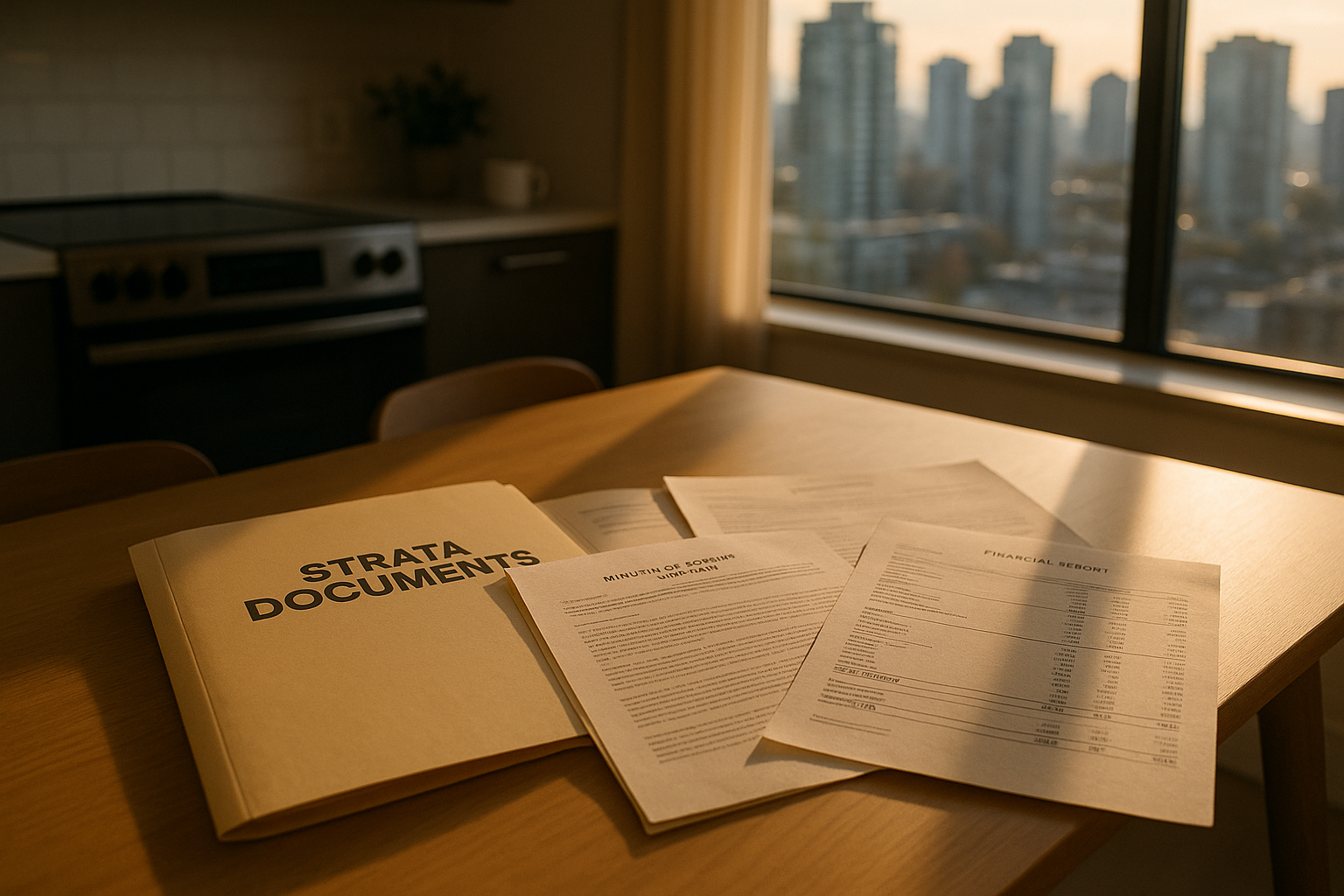
Before writing an offer, the most critical strata documents are the meeting minutes, Form B, depreciation report, financial statements, and bylaws. Minutes reveal recent decisions and disputes. The Form B gives a snapshot of key facts including parking, storage, and any outstanding levies. The depreciation report forecasts major repairs and the building’s long-term health. Financials show how well the strata is managing its resources. Bylaws and rules disclose restrictions on pets, rentals, or renovations. Reviewing the full set lets you see if there are hidden costs, unresolved issues, or deal-breakers.
What gets missed in strata minutes and financials?
Buyers often overlook subtle warning signs in minutes and financials, like repeated mentions of water issues, deferred maintenance, or unbudgeted repairs. Minutes may hint at owner dissatisfaction or looming legal action, even if not spelled out. In the financials, watch for a low contingency reserve fund, unusual deficits, or unexplained transfers between accounts. Recognizing these early gives you a chance to ask the right follow-up questions or request further documentation before offering. For more on this, see How to Vet a BC Strata’s Meeting Minutes for Red Flags—Before You Offer.
How do depreciation reports and special levies affect your risk?
Depreciation reports and special levies can reveal future financial burdens for buyers. A depreciation report outlines the expected lifespan and replacement costs for major components, signalling what big bills could be coming. Special levies—either proposed or recently passed—can signal urgent or unexpected repairs. If the building’s depreciation report recommends work soon but there’s no plan or funds set aside, you could be facing a hefty special levy after you buy. Always check whether the depreciation report is up-to-date per current BC requirements, and ask if a new one or an engineering update is pending.
Why do bylaws and Form B details matter before you offer?
Bylaws and Form B details can block your plans—or save you money—if read closely. Bylaws outline what you can and cannot do as an owner, such as whether pets are allowed, how rentals work, or the process for renovations. The Form B confirms legal status, common property details, and any pending legal or insurance issues. Changes in bylaws might not be registered yet, so always ask for recent amendments or rule updates. Restrictions or unresolved insurance claims listed on the Form B can seriously impact your enjoyment and financial security.
How should buyers use the subject-removal period?
The subject-removal period is your last line of defence for due diligence after an accepted offer. Use this time to bring in professionals—such as lawyers, inspectors, or strata document review services—to catch anything you missed. If anything in the documents is unclear or seems like a potential red flag, seek clarification from the listing agent or the strata council before removing subjects. Remember that strata rules, insurance conditions, and financial health can change quickly, so always verify with the official source or a qualified professional before finalizing your purchase. You can also try SearchStrata free to analyze your strata package for missed details.
Frequently Asked Questions
What is the Form B, and why is it important?
The Form B is a mandatory disclosure document in BC strata transactions, summarizing ownership details, outstanding levies, and current financial information. Buyers should review it to verify parking, storage, and any legal or insurance issues tied to the unit.
How can I tell if a strata's contingency reserve fund is healthy?
A healthy contingency reserve fund is generally one that matches or exceeds the building's future repair and maintenance needs, as outlined in its depreciation report. Buyers should compare fund balances to upcoming expenditures and ask a professional if unsure.
What kinds of bylaw restrictions do buyers often overlook?
Commonly overlooked bylaw restrictions include limits on pets, rentals, age, smoking, or short-term rentals. Even if these rules seem minor, they can affect your enjoyment or investment, so always read the bylaws thoroughly.
What if the strata's depreciation report is missing or out of date?
Most BC strata corporations are required to keep current depreciation reports, unless exempted by regulation. If a report is missing or outdated, ask why, and verify current legal requirements with a professional or the official BC government source.
Can I rely on subject removal to catch all strata document issues?
While the subject-removal period allows for final due diligence, it is best to catch key risks before you write the offer. Some issues may take time to investigate, so starting your review early reduces your risk.
Conclusion
Reading strata documents carefully before writing an offer is one of the best ways to avoid costly surprises or lifestyle disappointments as a BC buyer. Pay close attention to meeting minutes, Form B, financials, bylaws, and the depreciation report—don’t just check boxes. Bring in a professional if anything seems unclear, and consider using a strata document analysis tool like SearchStrata to make this critical step faster and more thorough.