Quick Answer
A home inspection in BC is a professional review of a property’s condition, typically done after an offer is accepted but before subject removal. Inspectors check for issues in structure, systems, and safety, helping buyers identify risks or future costs before finalizing the purchase. The inspection results can be a turning point in deciding whether to proceed, renegotiate, or walk away.
What is a home inspection, and when does it happen?
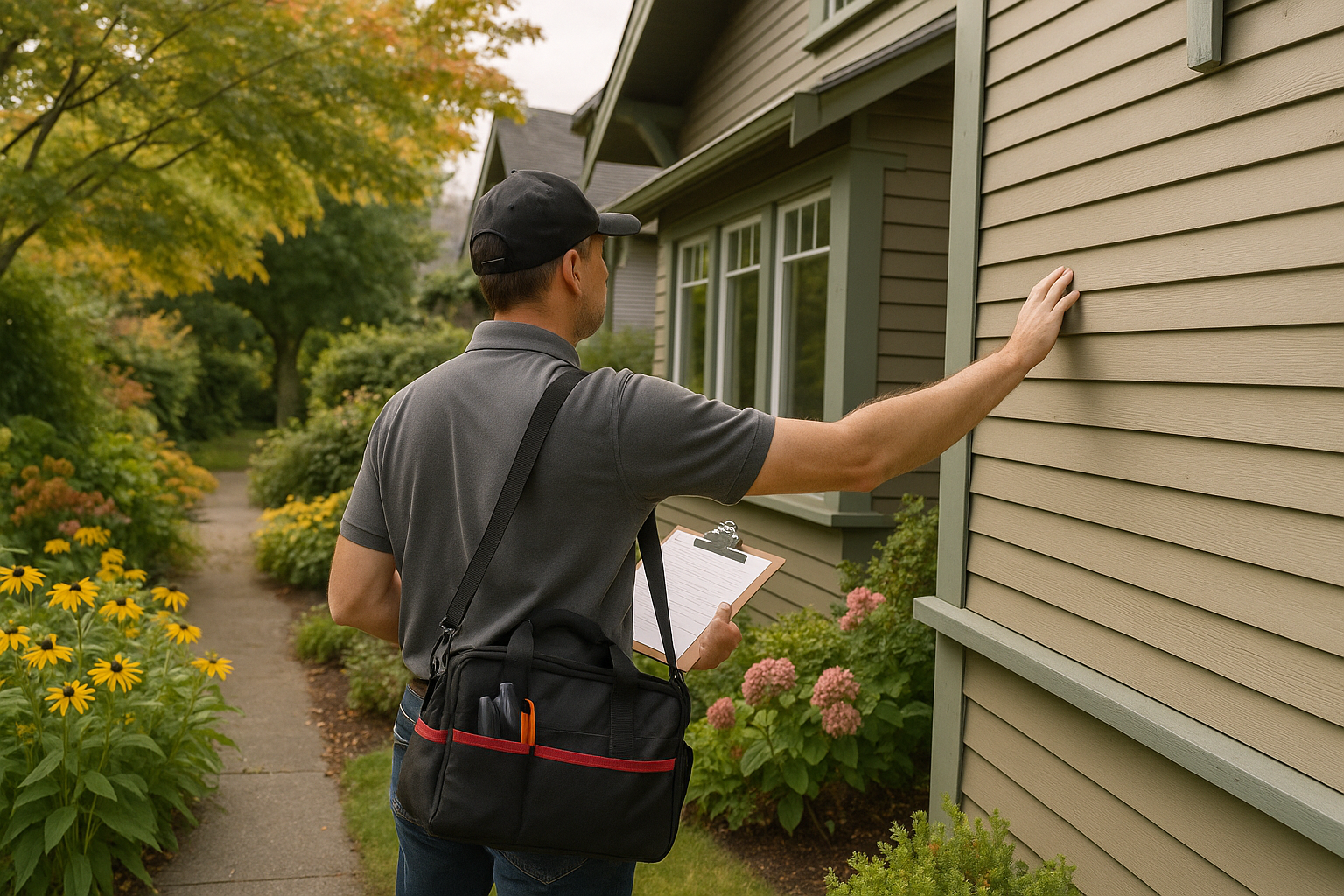
A home inspection is a thorough, visual assessment of a property by a trained professional, usually done during the subject period after an accepted offer. In BC, inspection is commonly a subject in purchase contracts for both condos and detached homes. You'll typically book the inspection as soon as the offer is accepted, giving you time to review findings before subject removal. The process aims to uncover defects or maintenance issues that might not be visible during showings.
What does a BC home inspector actually check?
A BC home inspector reviews the property’s main systems and structure, including roof, foundation, plumbing, electrical, heating, and ventilation. For detached homes, this covers the exterior, attic, and crawl spaces; for condos, it mainly focuses on the unit’s interior and accessible common areas. Inspectors look for signs of water damage, faulty wiring, unsafe materials, leaks, and other red flags. Always confirm your inspector’s scope and credentials, as licensing rules and inspection standards can evolve—check with Consumer Protection BC for current requirements.
How can buyers use the inspection report?
The inspection report guides buyers in understanding the property’s risks and potential costs. You can use the findings to request repairs, negotiate a price reduction, or decide not to proceed if significant issues are uncovered. For strata properties in cities like Vancouver or Richmond, combine inspection results with strata document review to get the full picture of maintenance and building health. Especially for older buildings or homes with visible wear, inspection outcomes can be decisive.
What are common red flags in BC home inspections?
Major red flags in BC home inspections include signs of structural movement, water ingress, outdated electrical systems, and evidence of past repairs done without permits. In houses, look for foundation cracks, rot, or roof issues; in condos, be wary of moisture problems and visible mold. If the inspector finds major deficiencies, consider consulting a specialist or seeking advice on how these issues could affect property value and ongoing costs.
How does the inspection fit with subject removal and document review?
The inspection is a key subject in most BC offers, and its results help buyers make an informed subject removal decision. If you’re buying a condo, always review strata documents and depreciation reports in tandem with your inspection to catch any building-wide concerns—SearchStrata helps you analyze those documents efficiently. Missing the inspection window or glossing over findings can leave buyers exposed to costly surprises after closing.
Frequently Asked Questions
Are home inspections mandatory when buying a home in BC?
Home inspections are not legally required in BC, but they are strongly recommended by real estate professionals for both condos and detached homes to help identify hidden defects.
How much does a home inspection typically cost in BC?
Home inspection fees in BC generally range from a few hundred to over a thousand dollars, depending on property size and complexity—verify costs with local inspectors before booking.
What happens if a home inspector finds serious problems?
If serious issues are found, buyers can request repairs, negotiate the price, or choose not to remove subjects and walk away from the deal, depending on the contract terms and advice from their Realtor.
Can I attend the home inspection as a buyer?
Yes, buyers are encouraged to attend the inspection if possible. This allows you to see issues firsthand and ask the inspector questions about maintenance and potential repairs.
Who pays for the home inspection in BC?
The buyer is responsible for hiring and paying the home inspector as part of their due diligence during the subject period.
Conclusion
A thorough home inspection is one of the best tools BC buyers have to avoid unexpected surprises and protect their investment. While the inspector covers the physical condition, pairing the findings with a careful review of title and, for condo purchases, strata documents, gives you a defensible foundation for your decision. For the document side of due diligence, tools like SearchStrata can make analysis efficient and clear. Take your time on the inspection step, ask questions, and rely on qualified professionals to guide this critical part of your purchase.