Quick Answer
Property Transfer Tax (PTT) in BC is a one-time tax paid when buying real estate, calculated as a percentage of the property's fair market value. Many buyers underestimate the cost or overestimate first-time buyer exemptions, leading to last-minute surprises. Always check eligibility and calculate your likely PTT before making an offer.
How does Property Transfer Tax work in BC?
Property Transfer Tax in BC is paid by the buyer when property ownership changes. It’s calculated as a percentage of the purchase price or fair market value, not just your down payment. Buyers typically pay 1% on the first $200,000, 2% on the portion up to $2 million, and higher rates above that. PTT is due before registration at the Land Title Office—be sure to set these funds aside as part of your closing costs.
What exemptions exist, and who actually qualifies?
First-time home buyers and some other groups may be eligible for a full or partial PTT exemption, but strict criteria apply. The BC First Time Home Buyers' Program requires you to meet residency, property value, and use requirements—verify the current threshold, as property values in cities like Vancouver and Burnaby often exceed it. Other exemptions exist for newly built homes and certain family transfers, but each has precise rules. Always confirm your eligibility before relying on an exemption.
Why do buyers miscalculate PTT costs?
Many buyers assume they'll get an exemption or miscalculate based on down payment rather than the total price. The tax is based on the full purchase price, not just what you’re borrowing. In hot markets like Surrey or Victoria, buyers may rush and overlook clauses that might affect their exemption eligibility, for example, moving in late or buying slightly above the threshold. Missing these details can result in a large, unexpected tax bill.
How can you estimate your PTT before making an offer?
Use the BC government’s property transfer tax calculator to estimate your PTT based on the likely offer price. Double-check the latest exemption thresholds: these can change, and market values in places like Richmond may push properties over the limit. If you’re close to the exemption cutoff, consider how even a small bump in price or a parking stall allocation might affect taxes. Talk to your Realtor or notary to confirm the numbers before you remove subjects.
What should you do if your purchase includes strata?
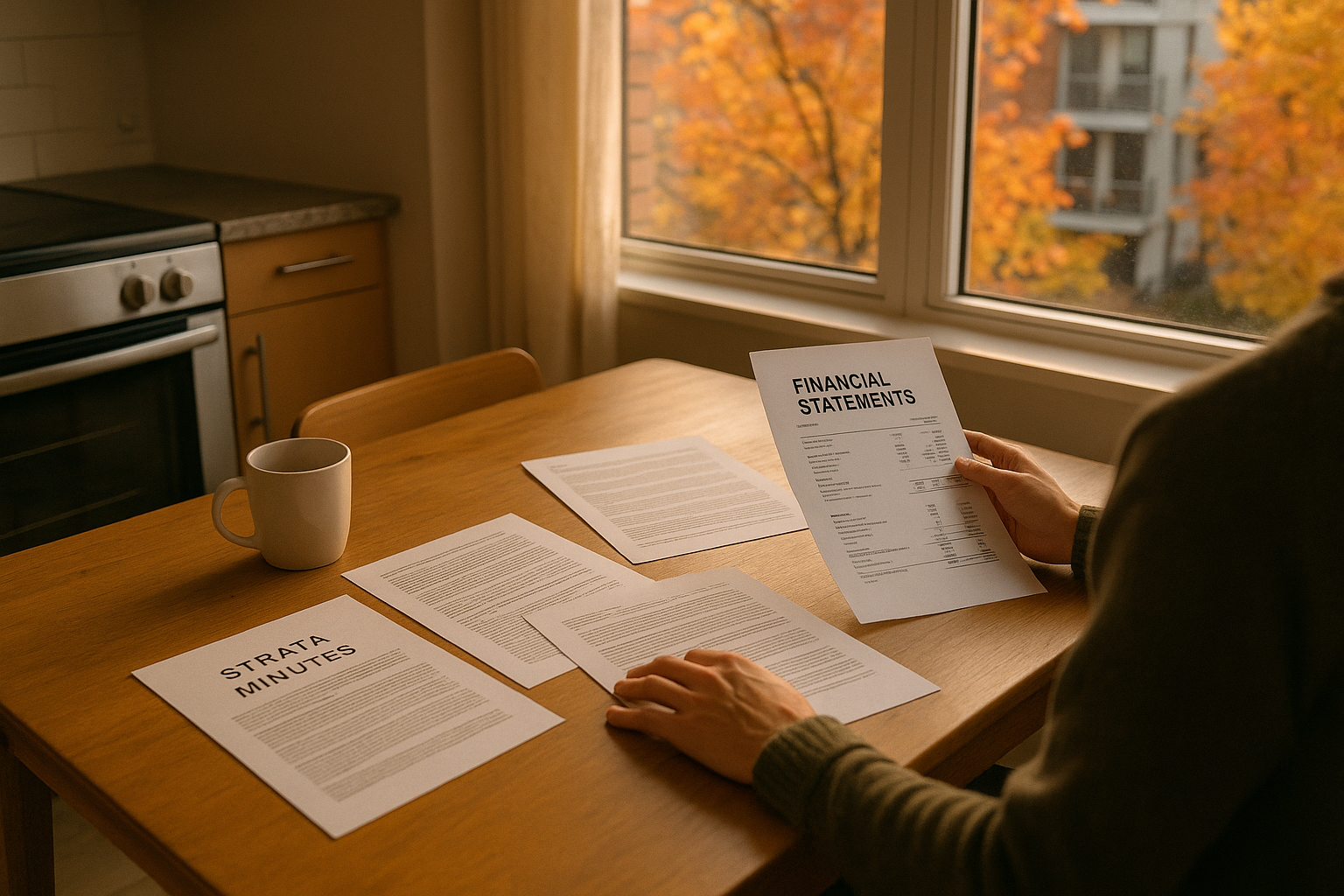
If you’re buying a strata property, gather all documents early and confirm the unit’s assessed value and eligibility for any exemptions. Complexities can arise: bonus parking, storage, or units with unique layouts may affect valuation. When you’re ready to review strata records, services like SearchStrata can help analyze the documents efficiently, so you can focus on confirming your PTT calculation and other closing costs.
Frequently Asked Questions
Is Property Transfer Tax mandatory for all BC home buyers?
Property Transfer Tax is mandatory for most BC real estate purchases, except where an exemption applies, such as for some first-time buyers or newly built homes.
Can first-time buyers avoid paying PTT entirely?
First-time buyers may be exempt from PTT if they meet all program criteria, including property value and occupation requirements; partial exemptions may apply if only some criteria are met.
When is PTT due during the home buying process?
PTT is due before your property is registered at the Land Title Office, usually as part of your closing costs coordinated by your lawyer or notary.
What if my offer price is just above the exemption threshold?
If your price exceeds the exemption threshold, even by a small amount, you may lose the exemption or only qualify for a partial one. Always check the exact rules for the year of your purchase.
Are there property types that change PTT calculations?
Certain property types—like new construction or family transfers—may qualify for special exemptions, but most resale homes use the standard PTT calculation based on purchase price.
Conclusion
Property Transfer Tax regularly trips up BC buyers, especially those banking on an exemption. Double-check your eligibility, use the official calculator, and talk to your Realtor or notary about your specific situation. If your purchase includes a strata unit, analyzing the documents with SearchStrata can help clarify the financial picture and ensure you avoid surprises on closing day.