Quick Answer
A strata building in BC can be identified and described before reviewing its internal documents by combining strata plan numbers, land title records, BC Assessment data, and city open data. These sources reveal the building's construction era, material (wood-frame or concrete), number of storeys and units, key management details, and any major recorded remediations. Each source presents information differently, so checking several gives a clearer picture of what you’re actually looking at—and what to watch for next.
How do you identify a strata building in British Columbia?
A BC strata building is formally identified by its strata plan number and civic address, cross-referenced in the Land Title and Survey Authority (LTSA) records. The strata plan number—often starting with "VAS," "VR," "EPS," or similar—uniquely distinguishes the building or development. Land title filings show the registered strata corporation name (like “The Owners, Strata Plan LMS1234”) and legal property description.
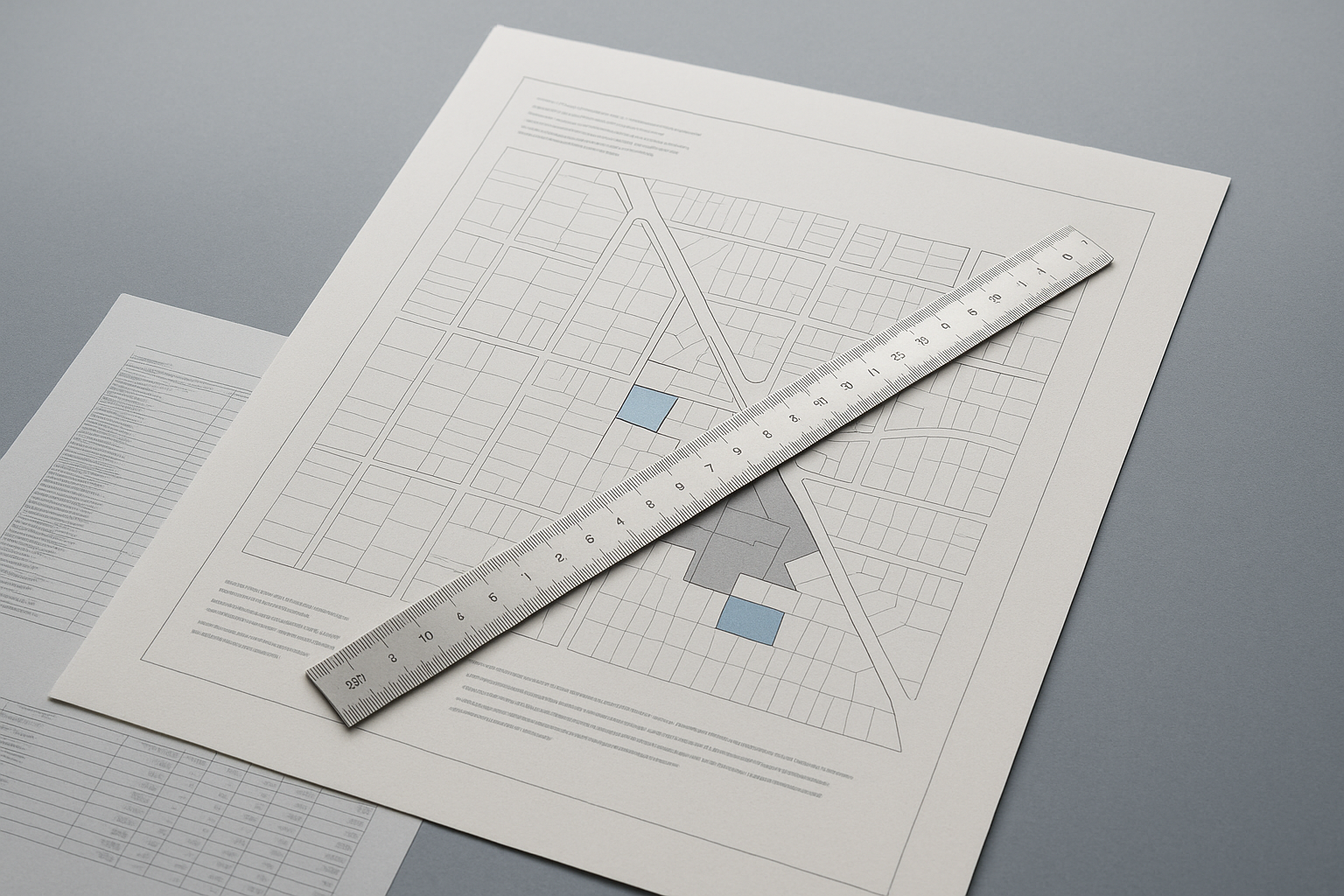
BC Assessment’s public database uses the building’s address and parcel identifier (PID) to show assessed value, year built, and property type. Most city open data portals (notably in Vancouver, Burnaby, and Surrey) offer their own property search tools where you can cross-check building age, number of units, and sometimes even the permit history. Together, these sources allow buyers to confirm they’re looking at the right property and avoid mix-ups with neighbouring developments.
For a deeper breakdown of how these records work together, see How to Identify and Read a BC Strata Building from the Public Record.
What does construction era tell you about a building?
The construction era of a strata building in BC strongly suggests what materials and risk factors are present. Buildings from the late 1980s through early 2000s—especially in Vancouver, Burnaby, and Richmond—are associated with the “leaky condo” crisis, when many wood-frame, stucco-clad buildings suffered water ingress and envelope failures.
Post-2000 buildings are generally built with rainscreen technology, which is designed to resist moisture intrusion. Concrete high-rises, common in Surrey and Coquitlam, tend to have different maintenance considerations, including elevator and parkade upkeep, but are usually less vulnerable to the specific envelope risks that affected older wood-frame condos.
Knowing the construction type and era helps anticipate what you’ll find in future document review, including likely areas of repair or remediation.
How can you tell how many storeys or units a building has?
The number of storeys and units in a strata building is captured in several public records. The BC Assessment entry for a property lists total living units, building type (low-rise, high-rise, townhouse), and number of storeys, though details can occasionally be inconsistent. Cities like Victoria and New Westminster often publish property data including zoning, storey count, and occasionally floor plans.
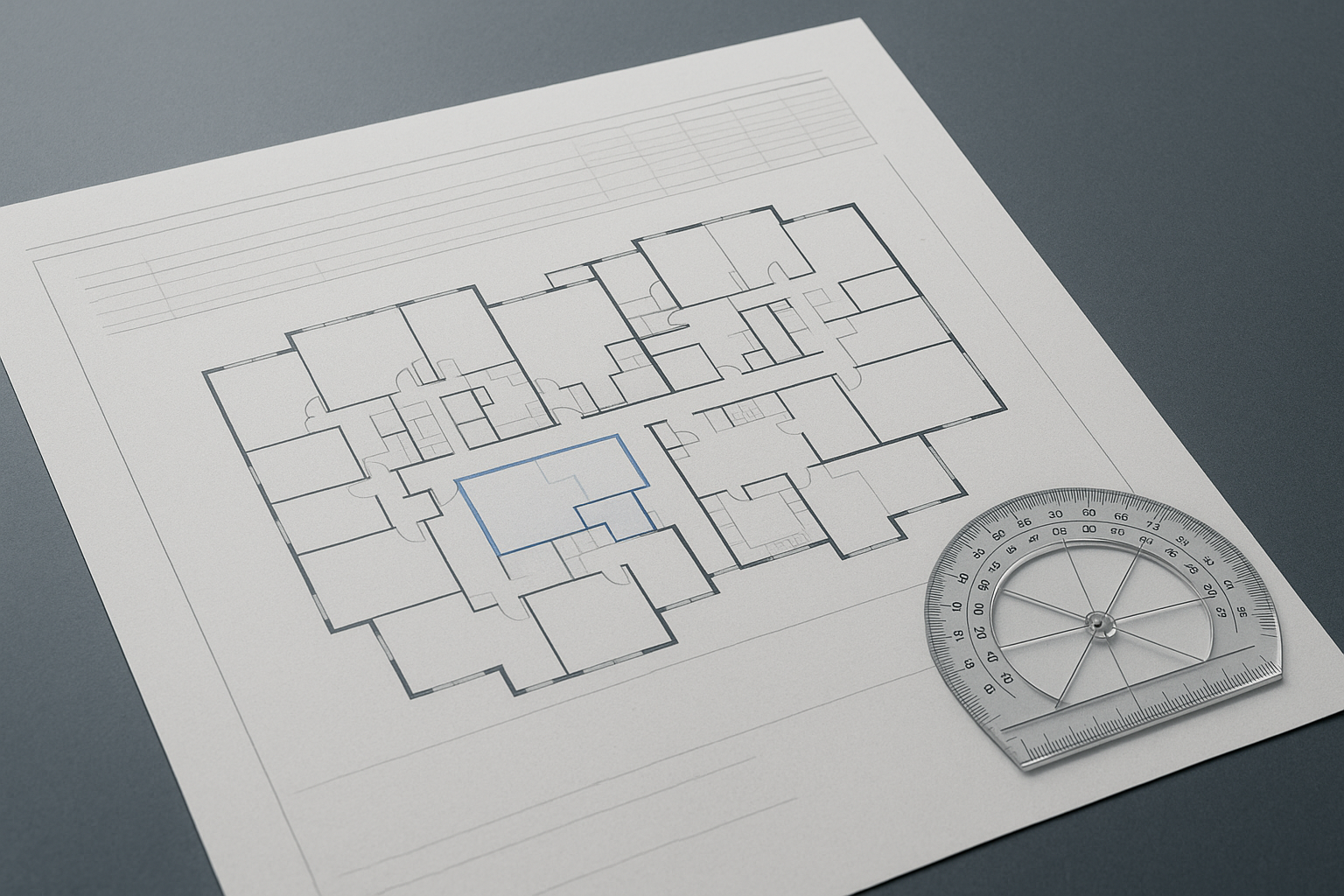
The strata plan itself—the formal survey plan filed with the LTSA—will show the labeled strata lots, layouts, and in some cases unit boundaries and limited common property. This plan is the authoritative record for the number of legal units. Discrepancies between public records and real-world use (such as unauthorized suites) can sometimes signal issues to probe further in the document package.
Where do you find out who manages the building?
Management information for a strata building is not always obvious in the public record, but patterns do exist. The Land Title Office records the official mailing address for the strata corporation, which is often care of the professional strata management company, or—less commonly—a volunteer council member’s address.
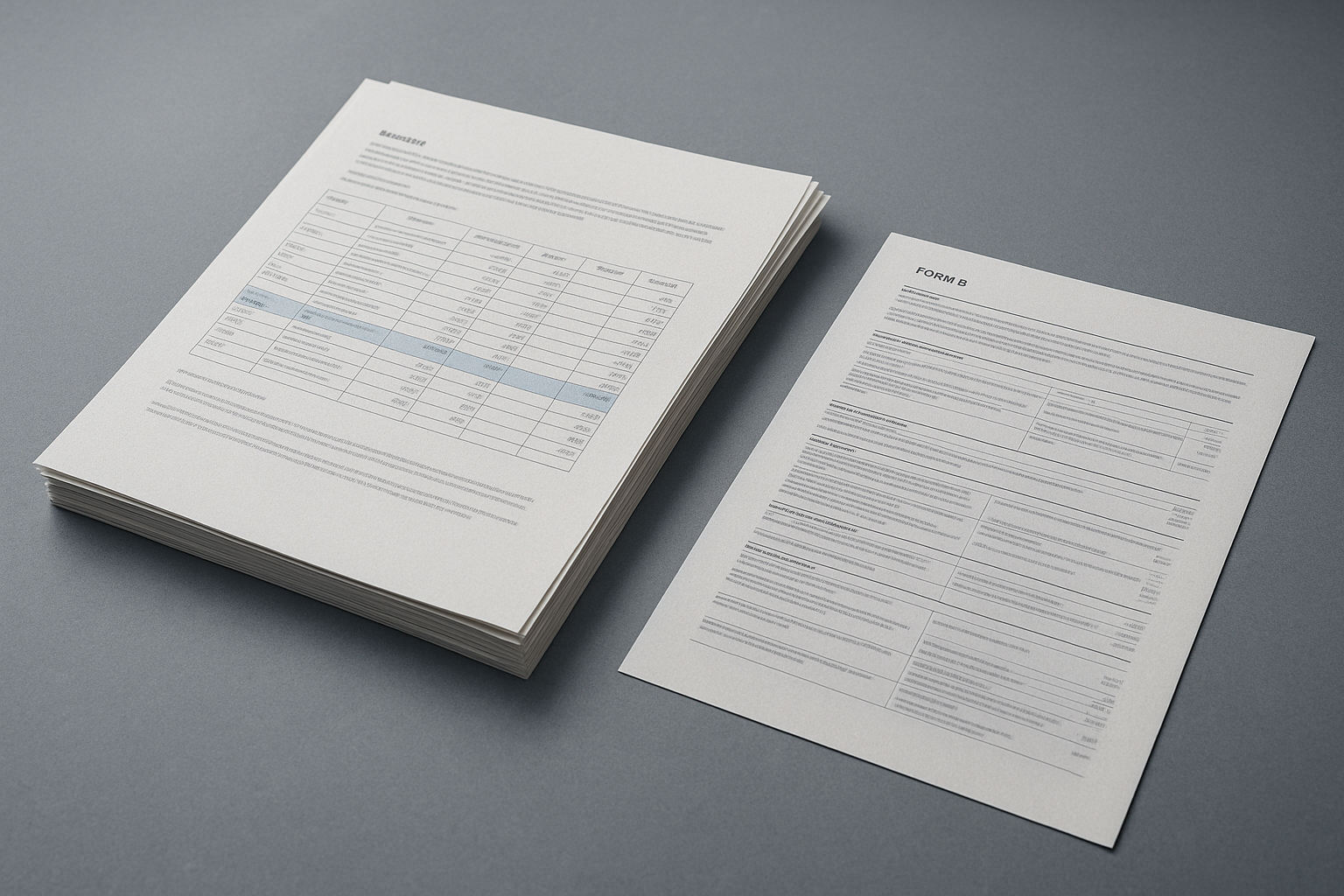
City licensing databases may show strata managers operating in their boundaries, and some strata management firms list their buildings on their own websites. For definite confirmation of the current strata manager, buyers typically rely on the contact information provided in the building’s Form B (Information Certificate) during the subject removal process.
How do public records reveal past remediation or envelope work?
Major remediations—like building envelope replacement, rainscreening, or window upgrades—are sometimes reflected in permitting data or in BC Assessment notes. For example, a dramatic change in assessed value or a "major renovation" note may appear after an envelope restoration. Some municipalities provide building permit search portals, where buyers can see permits issued for large projects such as re-roofing or full envelope repairs.
However, these records are not always complete or up-to-date. The definitive source for what has been remediated comes from strata documents: council and AGM minutes, special levy resolutions, and the depreciation report. Public records are an excellent starting point—they help set expectations and guide what to confirm in the document review stage. For a more detailed strategy, refer to How to Read a BC Strata Building: Construction, Era, and Remediation from Public Records.
Frequently Asked Questions
What is a strata plan number and why does it matter?
A strata plan number uniquely identifies a strata development in BC and is critical for confirming the legal identity of a building across land title, assessment, and city records.
Can I find out about past envelope repairs before seeing the strata documents?
Public records like city permit databases and BC Assessment may show evidence of major remediation, but full details are usually only found in the building's strata minutes or depreciation report.
How do I know if a BC condo is concrete or wood-frame?
The construction material is suggested by the building's era, assessment data, city records, and sometimes realtor listings. Visual inspection and formal documents provide confirmation.
Why do different records sometimes give different unit counts?
Discrepancies can occur due to recording errors, unauthorized suites, or updates not reflected in all databases. The strata plan and filed amendments are the official records.
Is management information public for all strata buildings?
Basic mailing details are in land title records, but the current day-to-day strata manager is best confirmed through the Form B certificate or by contacting the strata corporation directly.
Conclusion
Knowing how to read public records lets buyers and agents build a real understanding of a strata building’s identity, construction era, and management—even before the internal strata documents are available. Public information helps set expectations and flags what to watch for as you move into the full document review. For the next step—document analysis, including minutes and depreciation reports—SearchStrata is available to help you dig deeper when you’re ready.