Quick Answer
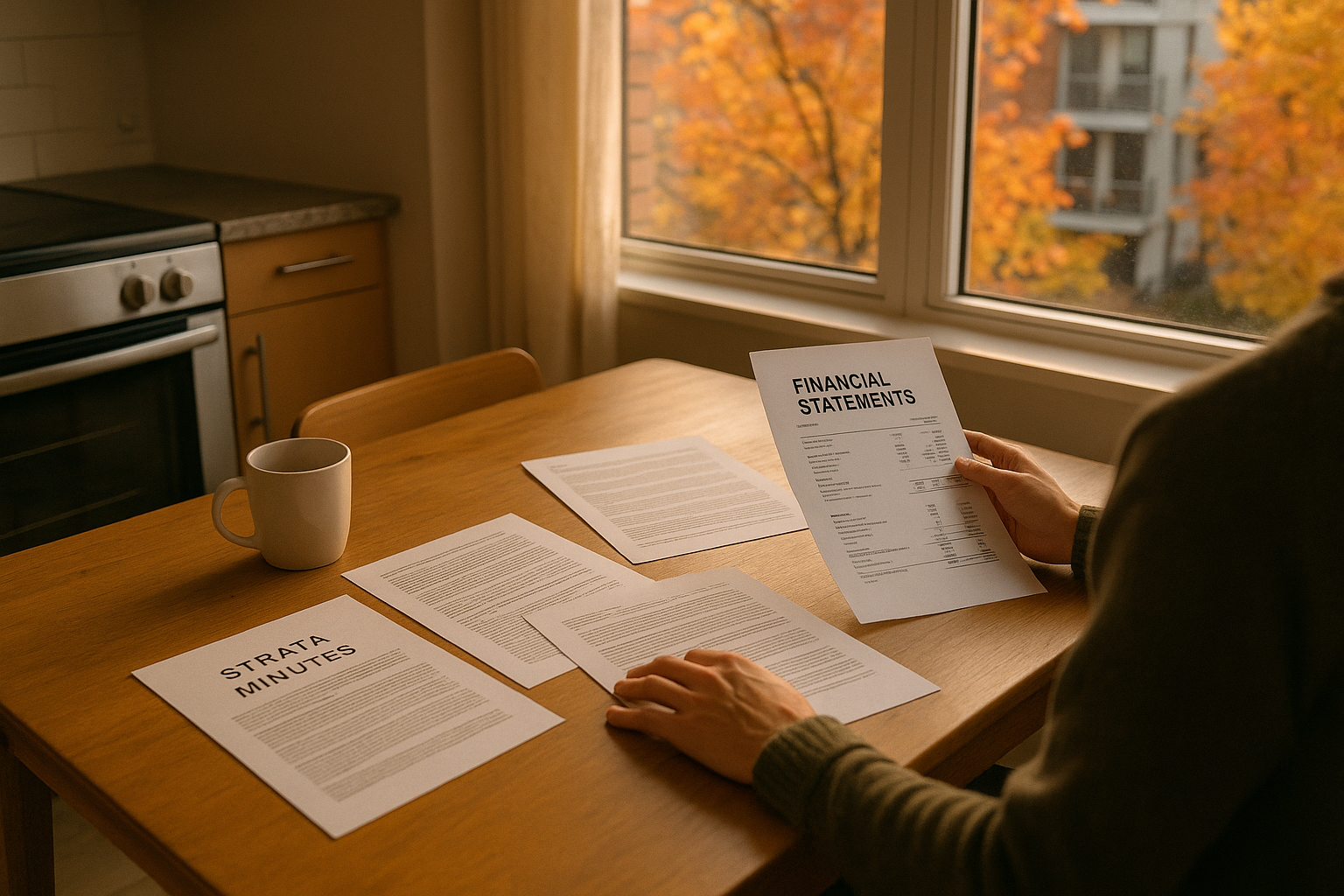
Before writing an offer on a BC strata property, you must review the strata documents in detail—minutes, Form B, financials, depreciation report, bylaws, and more. Look for red flags like looming special levies, low contingency reserves, insurance or litigation issues, and restrictions that could affect resale or your own use. This early due diligence helps you avoid costly surprises and write an offer that protects your interests.
Why Should You Review Strata Documents Before Making an Offer?
You should review strata documents before making an offer because they reveal risks, obligations, and restrictions that can affect your decision and negotiation power. In markets like Vancouver and Burnaby, strong demand often pressures buyers to move quickly, but skipping a document review can lead to expensive surprises after subject removal or closing.
Uncovering issues early—like upcoming special levies or restrictive bylaws—gives you options: walk away, negotiate price, or include protective subjects. Especially in busy periods when many buyers aim to close before fall, being prepared increases your confidence and leverage.
Realtors should help buyers obtain the full strata package before offer time. While you can add a subject to review documents after the offer, your negotiating position is strongest if you already know the property’s risks.
If reviewing dozens of lengthy PDFs feels overwhelming, consider tools like SearchStrata to help you surface key details and warnings quickly before you commit.
What Are the Essential Strata Documents to Request and Read?
The essential strata documents to review before an offer are the Form B, current bylaws, recent meeting minutes, financial statements, the latest depreciation report, and insurance documents. Each of these sheds light on a different aspect of the building’s health and risks.
Request:
- Form B (information certificate): Confirms fees, parking, storage, arrears, insurance, and legal matters.
- Bylaws and Rules: Identifies rental, pet, and alteration restrictions.
- Recent minutes (AGM, SGM, council): Discloses repairs, disputes, complaints, and upcoming projects.
- Financial statements: Shows current contingency reserve fund, operating budget, and recent expenses.
- Depreciation report: Forecasts major repairs and required funding over 30 years.
- Insurance summary: Confirms deductible amounts, coverage, and renewal concerns.
Some strata corporations (especially in Richmond and Surrey) provide online access to packages, but always double-check you have the latest versions and all relevant attachments.
How Do You Spot Major Red Flags in Strata Minutes and Financials?
Major red flags in strata minutes and financials include upcoming special levies, repeated repair delays, complaints about building systems, and insufficient reserve funds. Review the past two years (or more) of minutes for recurring issues—water leaks, elevator breakdowns, or legal disputes.
In the financials, check if the contingency reserve fund (CRF) is adequate for the building's age and size. A low CRF with looming major repairs often signals a risk of future levies. Look for unbudgeted expenses or negative balances.
Be alert for: lawsuits against the strata, large insurance premium jumps, and advance talk of bylaw changes or rental restrictions. Pair this review with the recent post on what to watch for in strata financial statements for a deeper dive.
If a strata has held recent AGMs or SGMs, carefully read resolutions and voting outcomes, as these decisions may impact upcoming costs or restrictions.
Why Are Form B and Depreciation Reports Critical for Buyers?
Form B and depreciation reports are critical because they provide the official, up-to-date picture of the strata’s legal status, finances, and long-term viability. The Form B gives you the facts on monthly fees, arrears, parking, storage, legal actions, and insurance.
Depreciation reports estimate when big-ticket repairs are due and whether there’s adequate funding. These reports can reveal large expenses on the horizon—like roof replacement or building envelope work—which could trigger a special levy.
If a depreciation report is outdated or unavailable, the risk profile jumps. In Victoria and Coquitlam, this is especially relevant for older properties. Always compare the Form B and depreciation report for any contradictions or missing items.
How Can Bylaws and Rules Affect Your Use and Resale?
Bylaws and rules can restrict your ability to rent, keep pets, or make renovations, directly impacting your lifestyle and resale value. Carefully read all bylaws—not just the summary page—to catch limits on short-term rentals, pet size/number, smoking, or renovations.
Some buildings in New Westminster or downtown Vancouver have strict rental caps or pet prohibitions; these can affect both your enjoyment and your ability to rent or sell later. Bylaw changes in progress or recently passed may not be reflected in the Form B yet, so cross-reference all sources.
If you plan to operate a business from home or need accessibility modifications, confirm the bylaws permit them. Any uncertainty should be clarified in writing with the strata manager or council before committing to an offer.
What Should You Do With Red Flags—And How Does the Subject Removal Window Fit In?
If you find red flags—like impending special levies, litigation, or restrictive bylaws—pause before writing your offer or ensure your offer is subject to satisfactory document review. The subject removal window gives you time to verify details and back out if needed.
Structuring your offer with a solid “subject to review of strata documents” clause is essential if you don’t have every document in hand. But your strongest position is knowing the facts before you offer, which lets you negotiate price, timing, or conditions more assertively.
If you’re unclear about a document’s meaning, ask your Realtor, seek legal advice, or use tools like SearchStrata to analyze your strata package efficiently. This step is especially important in fast-moving markets where subject periods can be short.
Frequently Asked Questions
What are the most important strata documents to read before buying in BC?
The most important strata documents to read before buying in BC are the Form B, most recent AGM/SGM and council minutes, current bylaws, recent financial statements, the depreciation report, and the strata’s insurance summary.
How far back should I review strata minutes and financials?
Buyers should review at least two years of strata council minutes and financial statements to identify patterns or recurring issues, but more may be prudent for older buildings or if red flags appear.
What does a low contingency reserve fund mean for a buyer?
A low contingency reserve fund can signal that the strata may not have enough set aside for major repairs, increasing the risk of a special levy that could cost owners thousands of dollars.
Can I make my offer subject to strata document review in BC?
Yes, you can and should make your offer subject to satisfactory review of all strata documents if you have not completed your due diligence before the offer is written.
How can I quickly analyze hundreds of pages of strata documents?
You can use digital tools that extract key information, work closely with an experienced Realtor, or dedicate focused time to systematically review each document—paying close attention to summaries, minutes, and financials.
Conclusion
A thorough pre-offer review of BC strata documents is one of the smartest investments you can make as a buyer. It reveals risks—like upcoming levies, litigation, or restrictive bylaws—before you’re locked in. Read the full package, ask clarifying questions, and don’t hesitate to walk away from buildings with major red flags. If you want to save time and spot issues faster, try SearchStrata free to analyze your strata package before you write your offer.