Quick Answer
In most BC stratas, owners must get written permission from the strata council before making any alterations to their unit, balcony, or common property. The approval requirements and process are set by your strata’s bylaws and may involve submitting detailed plans, council review, and sometimes a vote. Always confirm the current bylaws for your building and communicate with your council before starting any work.
When Do Owners Need Strata Permission for Alterations?
Owners usually need written strata council approval for any alterations that affect common property, limited common property, or the building's structure. This includes upgrades like installing hardwood flooring, adding air conditioning, or making balcony changes. Even some interior work may require permission, depending on your strata’s specific bylaws and what is considered "common property" under the Strata Property Act. Always check your building’s current bylaws and rules to verify what triggers the approval process.
What Does the Strata Council Review in an Alteration Request?
Strata councils review alteration requests based on the potential impact on building safety, structure, neighbouring units, and long-term maintenance. Councils typically require detailed plans, contractor information, and proof of appropriate permits. They may refuse requests if a proposed upgrade could affect waterproofing, fire safety, or other critical elements. Expect additional scrutiny for alterations involving the building envelope, plumbing, or electrical systems—especially in large buildings in Vancouver, Richmond, or Victoria.
How Should Owners Prepare Their Request for Alterations?
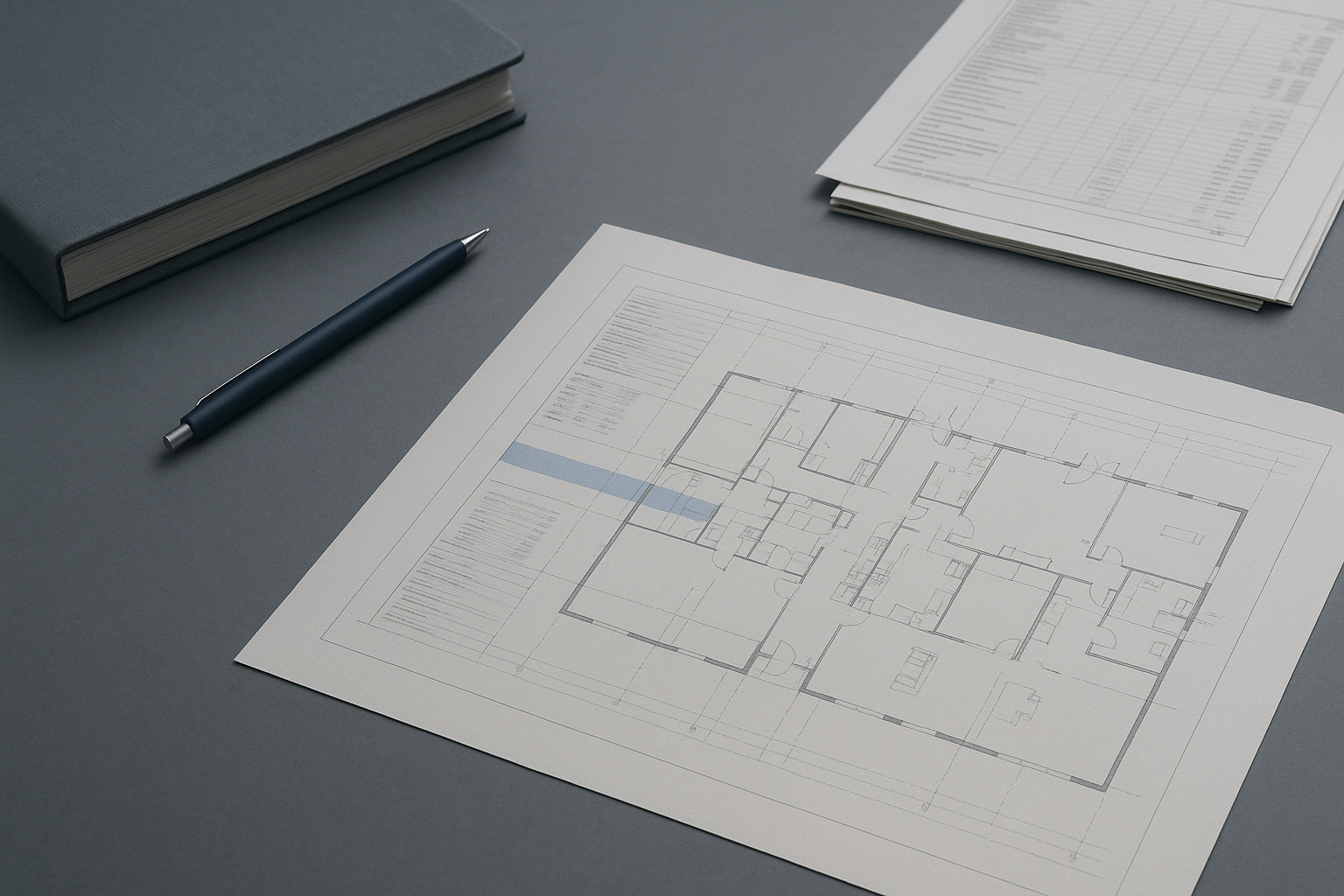
Owners should gather all relevant details before submitting a request, including sketches, material specs, and contractor credentials. Clear documentation helps the council assess the proposal efficiently and reduces delays. Some stratas have formal application forms or checklists; ask your property manager or council for these. Ensuring your proposal meets city permits and strata requirements increases your chance of approval. For more guidance on the documentation process, see the post on Understanding Renovations in Your BC Strata: What Owners Need to Check Before Changing Their Unit.
What Conditions Can Strata Councils Attach to Approvals?
Under the Standard Bylaws, the one condition a strata council can attach to an approval is your written agreement to take responsibility for any expenses relating to the alteration — anything further, such as naming specific contractors, proof of permits or post-renovation inspections, depends on what your strata's registered bylaws actually say. Councils might also require owners to take responsibility for any future repair costs related to the alteration. This is especially common for upgrades to balconies or building exteriors, where water ingress can be a long-term concern. Always get these conditions in writing and review them carefully before agreeing or starting work.
What Happens If an Owner Makes Unauthorized Alterations?
Unauthorized alterations can result in the owner being required to restore the property to its original state at their own cost. The strata may also levy fines, withhold permission for future requests, or place the unit in breach of bylaws—potentially affecting insurance or resale. If you discover unapproved work in your unit, bring it to the council’s attention proactively to resolve the issue before formal enforcement action begins.
Frequently Asked Questions
Can I upgrade my strata balcony or patio without council approval?
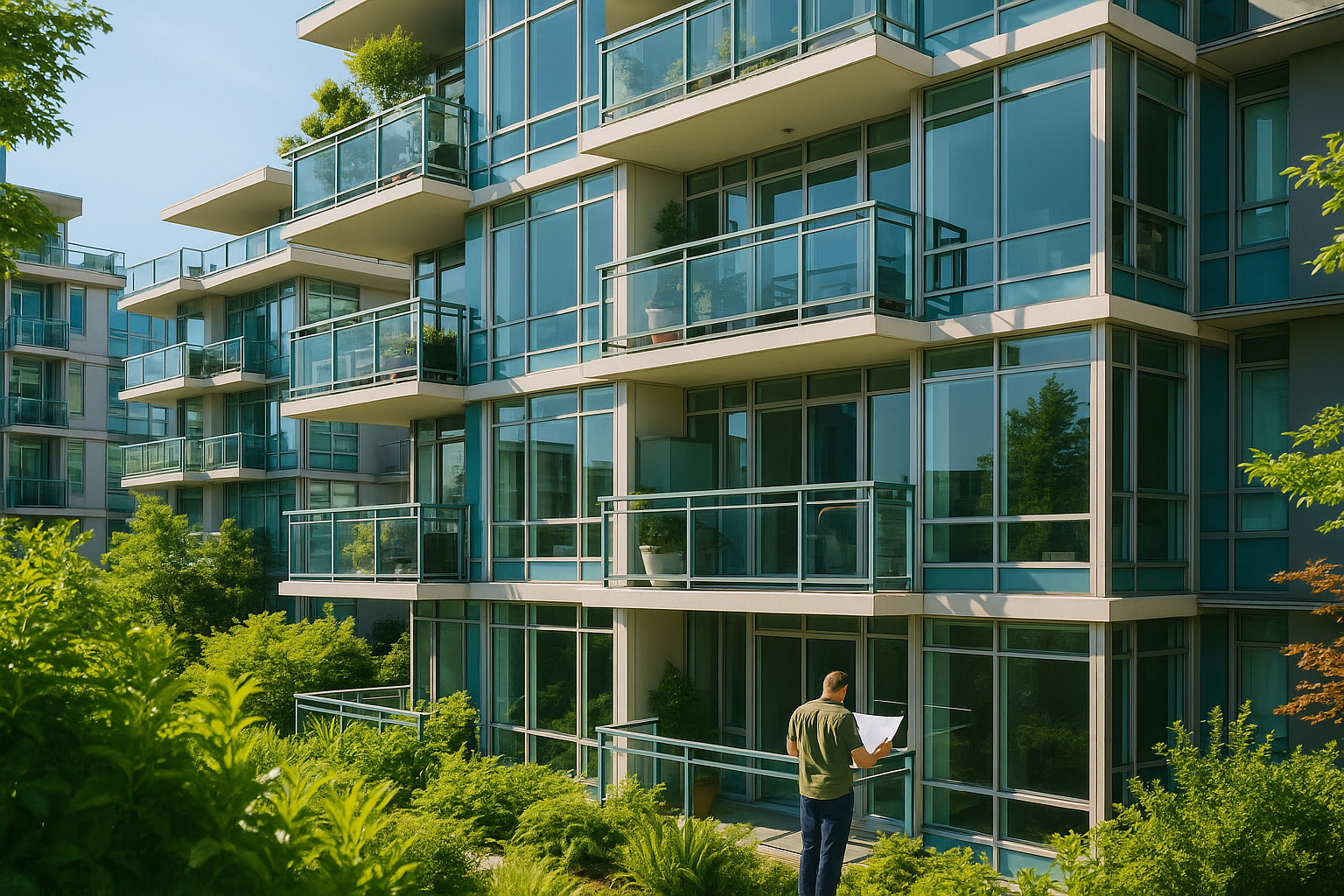
You usually need strata council approval for any changes to a balcony or patio, as most are considered common or limited common property. Always verify your building’s current bylaws and request permission first.
What if the strata council ignores my alteration request?
If your request is ignored, you may follow up in writing, ask to be added to the next council meeting agenda, or seek help from the Civil Resolution Tribunal if council remains unresponsive.
Are strata councils allowed to refuse all renovation requests?
Strata councils can reasonably refuse alteration requests, especially if changes may impact building structure, safety, or common property. They must apply bylaws fairly and consistently.
Does approval from the city mean I can skip strata permission?
City permits do not replace the need for strata approval. Both municipal and strata requirements must be met before starting an alteration.
Who pays for future repairs if my alteration causes damage?
If an owner’s alteration leads to damage, the owner is typically responsible for repair costs. Strata councils may also require written agreements about future liability as a condition of approval.
Conclusion
Requesting permission for unit alterations in a BC strata involves more than just asking—it requires careful review of your building’s bylaws, thoughtful preparation, and clear communication with your strata council. Being proactive and organized helps avoid costly mistakes or delays. If you want to analyze your strata’s bylaws, minutes, or alteration approval history in detail, SearchStrata can help you scan and summarize your building’s documents quickly.