Quick Answer
In most BC strata buildings, owners must seek written approval from the strata council before making any renovations that alter walls, plumbing, flooring, or common property. Even changes inside your unit may require permission if they affect building systems or structure, and bylaws often set out specific rules, procedures, and insurance requirements. Understanding these requirements before starting work will help you avoid fines, delays, or having to undo completed renovations.
What renovations require strata approval in BC?
Any renovation that changes the structure, plumbing, electrical, or other building systems in your strata unit usually requires written council approval. Simple cosmetic work like painting is generally fine, but projects such as removing walls, installing hardwood floors, or bathroom/kitchen remodels almost always need permission. Strata bylaws can be stricter than the Strata Property Act, so always check your building’s specific rules and obtain clear approval before starting work.
How do strata bylaws and rules shape what you can renovate?
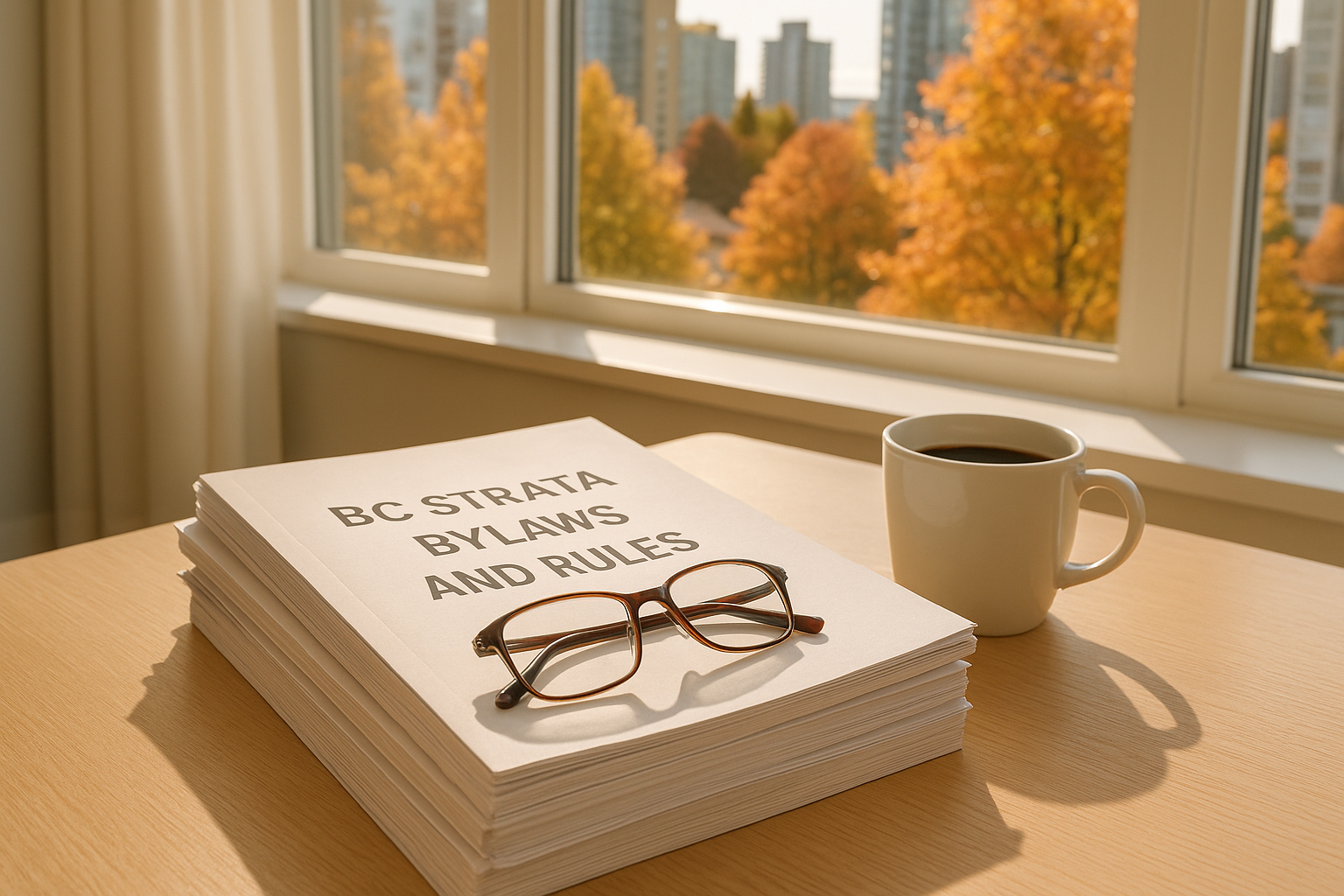
Strata bylaws and rules outline exactly what renovations are allowed and the steps you must follow. These bylaws may restrict types of flooring, require licensed contractors, set work hours, or ban certain upgrades outright. In cities like Vancouver or Burnaby, noise and disruption rules are common. Always read your strata’s bylaws and recent rules carefully, as they often change with owner votes or in response to past issues.
What’s the process for getting renovation approval from your strata?
Owners must submit a written request detailing the planned renovations, contractor information, and sometimes proof of insurance to the strata council or manager. The council may request more details, ask for building permits, and set conditions before granting permission. Formal approval should always be given in writing—verbal go-ahead is rarely enough. If you’re unsure how to assemble the right paperwork, tools like SearchStrata can help you analyze your strata documents for relevant clauses and requirements.
What are the risks of renovating without strata approval?
Renovating without strata approval can result in fines, stop-work orders, or being forced to undo completed work at your own cost. In some Richmond and Surrey buildings, failure to get approval has led to insurance claims being denied or special levies imposed to fix unauthorized work. Council can also take legal steps under the Strata Property Act if unauthorized changes impact common property or neighbours.
How can you avoid common renovation mistakes as a BC strata owner?
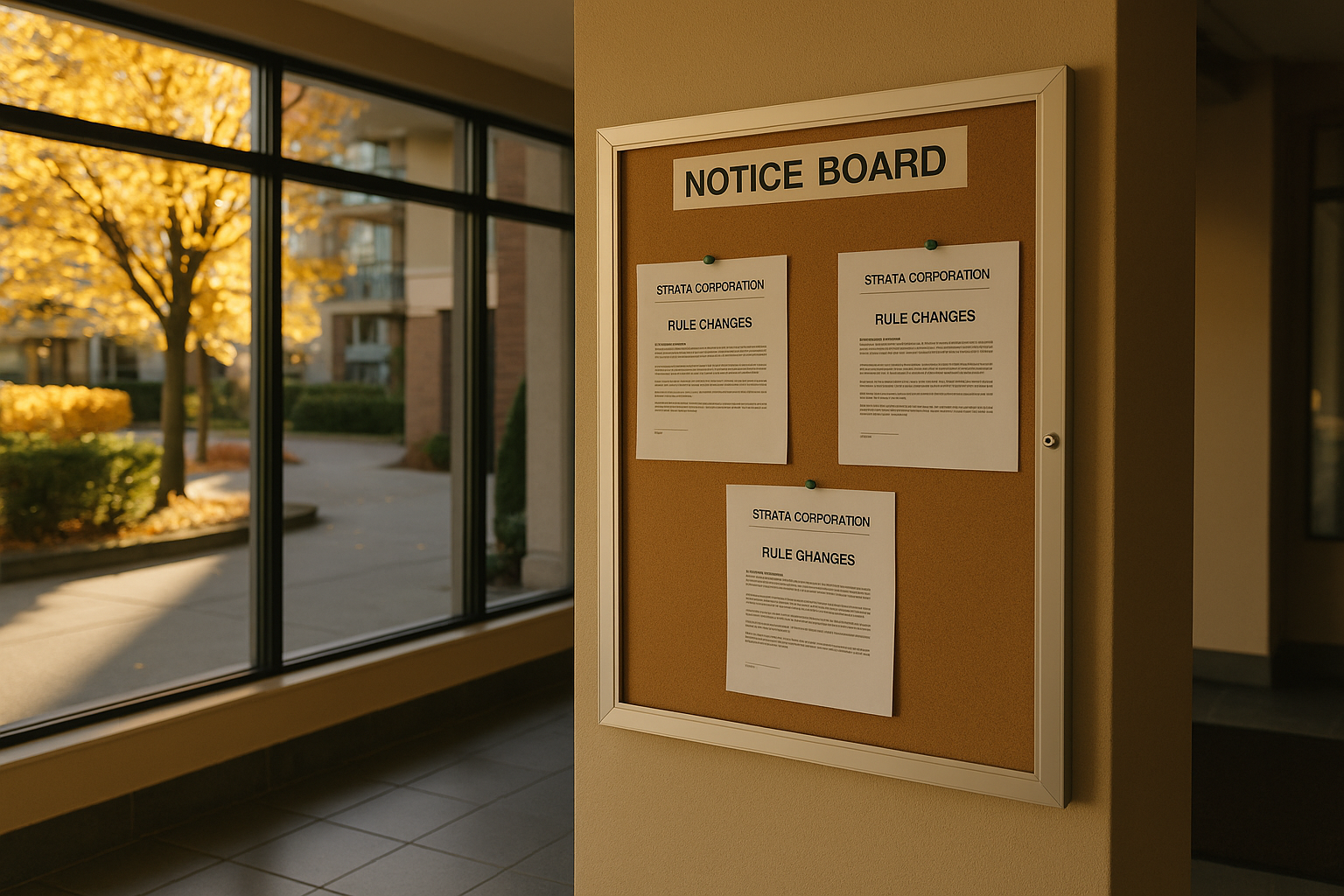
Careful planning and communication are key to a smooth renovation experience in a BC strata. Before hiring contractors, read your strata’s bylaws, check for recent rule changes, and talk to the council about past owner experiences. Document all communication, secure written approvals, and make sure your contractors understand strata restrictions. For further reading on related issues, see Making Sense of Strata Rules and Bylaws: What Owners Need to Know.
Frequently Asked Questions
Do I need strata approval to change flooring in my condo?
In most BC stratas, changing flooring—especially to hard surfaces like laminate or hardwood—requires council approval due to noise concerns and impact on other units.
Can strata council refuse my renovation request even if it's inside my unit?
Yes, strata councils can refuse alterations inside your unit if the changes impact the building’s structure, systems, or violate bylaws, even if you think of it as 'your space.'
What insurance should I get for a strata renovation?
Owners should ensure their contractor carries liability insurance and consider updating their own condo insurance to cover construction risks and potential damage.
Are there renovation restrictions unique to older buildings in BC?
Older buildings may have tougher rules due to legacy construction, outdated systems, or past issues. Always check your strata’s documentation for any unique restrictions or requirements.
Conclusion
Renovating in a BC strata isn’t just a design decision—it’s a process governed by detailed rules and approvals. Taking the time to understand your building’s bylaws, communicate with council, and secure written permissions will save you stress and potential costs. To streamline your renovation planning, consider using SearchStrata to analyze your strata’s documents and highlight key clauses before you begin.