Quick Answer
A special levy in a BC strata is an extra payment collected from owners when the building needs to fund costs beyond what’s in the annual budget, such as major repairs or emergency expenses. Owners vote on special levies at general meetings, and the levy is shared among units based on each owner’s unit entitlement. It’s important to understand how and why a levy is proposed, what it covers, and to review the supporting documents before your vote.
What is a special levy and when is it used?
A special levy is an additional fee charged to strata owners to pay for costs that the annual operating budget or contingency reserve fund (CRF) can’t cover. Typically, this happens when the building faces unexpected repairs (like a leaky roof) or planned upgrades (such as exterior painting) that exceed available funds.
Strata councils must propose a special levy to owners at an annual or special general meeting, and owners approve it by a 3/4 vote if each lot's share is calculated the usual way by unit entitlement, or by a unanimous vote if the levy is divided in some other way that is fair for that particular expense. The need for a levy can arise suddenly or after years of deferred maintenance, making it important for owners to stay informed about their building’s condition.
While the contingency fund is meant to handle foreseeable expenses, some projects—like elevator replacements or major envelope repairs—may require more money than what’s available, triggering a special levy.
How is a special levy calculated and who pays what?
A special levy is usually divided among owners based on each unit’s unit entitlement (often proportional to square footage). This means larger units typically pay more. The strata council must present the total cost, the reason for the levy, and each owner’s share in a clear notice before the meeting.
For example, if a $300,000 roof replacement is needed in a 100-unit building, each owner’s payment will depend on their individual entitlement. Details on unit entitlement are found in your strata plan.
If you’re unsure how your share is calculated, you can request the resolution and supporting documents—like the budget breakdown or engineer’s report—from your council or strata manager.
What is the process for approving a special levy?
A special levy must be approved by a vote of owners at a general meeting, typically by a special resolution (which means a higher threshold than regular resolutions). Notice of the meeting and the resolution wording must be provided in advance so owners have time to review and ask questions.
At the meeting, the council will explain the need, answer questions, and owners vote—either in person or by proxy. If the required majority approves, the levy is passed and owners are notified of payment deadlines.
If you’re facing a special levy, review the meeting notice, background documents, and consider asking questions before the vote. For more on how these meetings work, see How to Prepare for and Vote at Your Strata’s AGM or SGM: A BC Owner’s Step-by-Step Guide.
What happens after a special levy is approved?
Once a special levy is approved, owners receive a payment schedule stating the amount owed, due dates, and payment options (sometimes in installments). Timely payment is important, as late or missed payments can result in fines or legal action.
The funds collected are required by law to be used only for the purpose stated in the levy resolution. The strata council should keep owners updated as the work progresses and money is spent.
If funds are leftover after the project, they must be paid back to owners in proportion to what each strata lot contributed — the only exception being that if no owner would get more than $100, the strata can put the excess into the contingency reserve fund instead.
How can owners stay informed and prepare for a special levy?
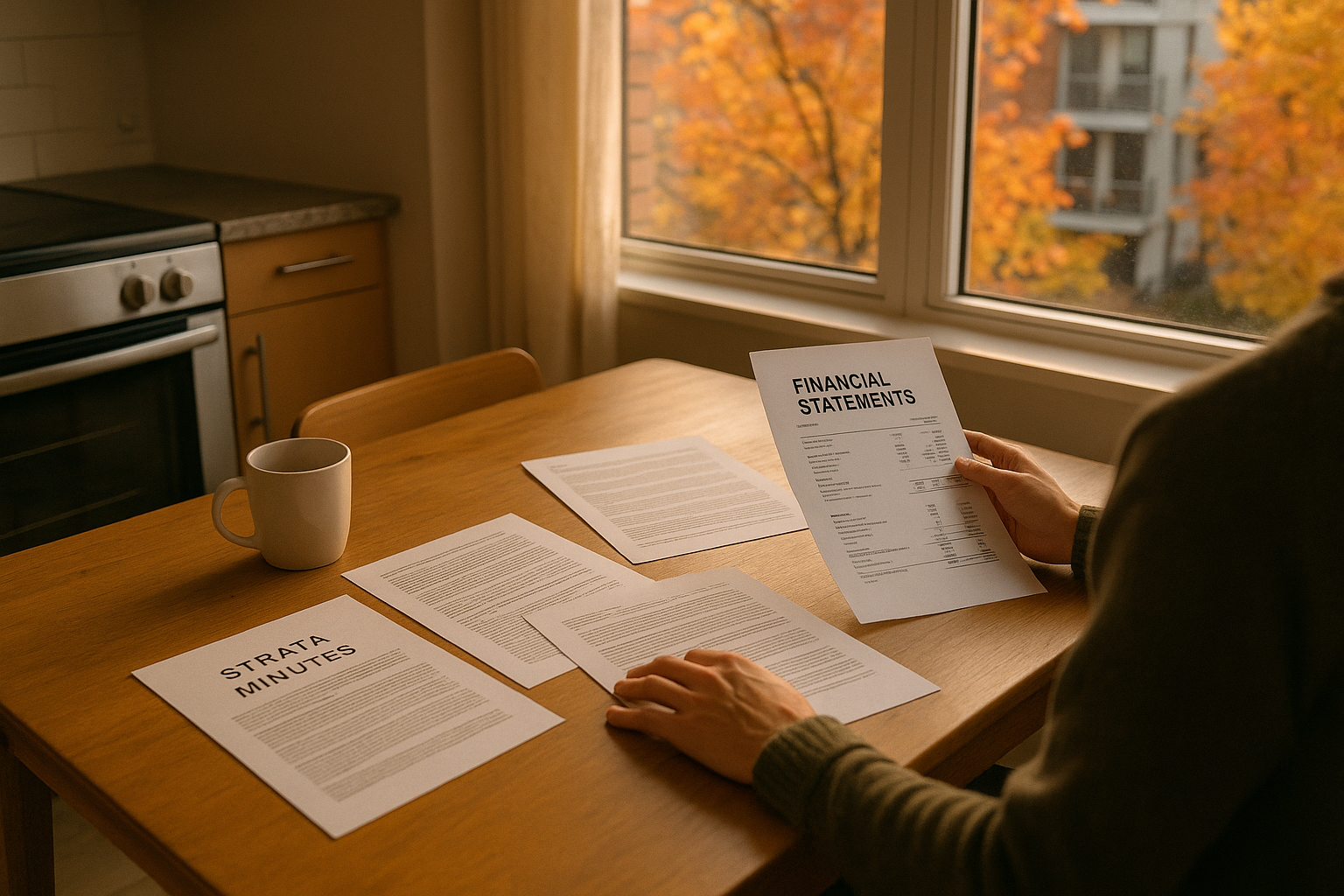
Owners can prepare by reading council meeting minutes, annual budgets, and depreciation reports to spot potential big-ticket projects. Signs that a levy may be coming include frequent repairs, urgent projects listed in the depreciation report, or CRF balances that can’t cover planned work.
You can also request building records to verify project costs and timelines. See Understanding Section 35 Records: A BC Strata Owner’s Guide to Accessing Building Information for details on what to ask for.
Using tools like SearchStrata can help you quickly analyze strata documents to spot red flags, planned projects, and how previous levies were handled, making it easier to participate confidently in upcoming votes.
Frequently Asked Questions
Can owners pay a special levy in installments?
Some strata corporations allow special levy payments to be made in installments, but this depends on the resolution wording and council decisions. Check the notice and contact your strata manager for details on payment options.
Do renters or landlords pay the special levy?
Special levies are the responsibility of the registered owner of the strata lot, not tenants. However, landlords may choose to pass the cost on to renters under certain lease agreements.
What happens if an owner doesn’t pay a special levy?
If a special levy is not paid on time, the strata may charge interest, late fees, or register a lien against the unit. This can lead to further legal action, so timely payment is strongly advised.
Can a special levy be used for anything the council wants?
No, special levy funds must be used strictly for the purpose described in the approved resolution. The council cannot redirect these funds for other projects without another owner vote.
How do I check if my building has had frequent special levies?
You can review past meeting minutes, AGM/SGM packages, and financial records, or request access to Section 35 records, which detail prior special levies and major building expenses.
Conclusion
Special levies are sometimes an unavoidable part of living in a BC strata, but understanding the process gives you more control and peace of mind. By staying informed—reading meeting notices, reviewing supporting documents, and asking questions before a vote—you can better prepare for upcoming costs and participate confidently in building decisions. For a clearer picture and to save time reviewing strata documents, consider using SearchStrata to analyze your strata’s records and past levy history.