Quick Answer
Unapproved strata alterations are changes made to a unit or common property without the required written approval from the strata council, as mandated by most strata bylaws in BC. These alterations can create legal and financial risks for buyers, owners, and councils, often surfacing during document review or real estate transactions. Checking strata minutes, bylaws, and the Form B is essential to identify past or ongoing unapproved changes.
What is an Unapproved Strata Alteration in BC?
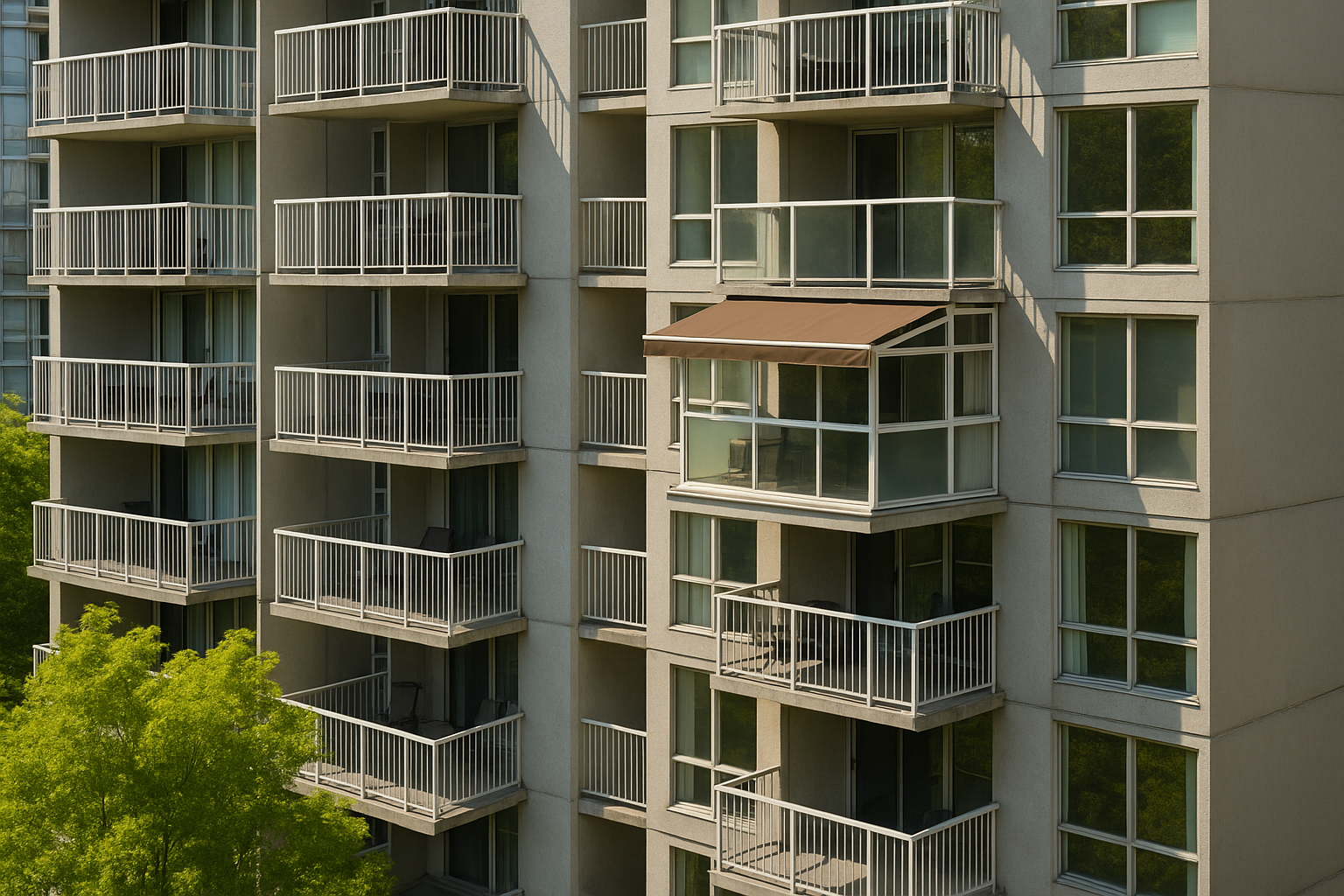
An unapproved strata alteration is any renovation or change made to a strata lot or common property without formal consent from the strata council. This typically includes modifications like removing walls, altering balconies, replacing flooring, or enclosing patios.
Under the Strata Property Act, and nearly all strata bylaws, owners must request and receive written approval for alterations affecting common property or building structure. Even "minor" changes, like different flooring or installing AC units, can require permission. In busy markets like Vancouver, buyers regularly encounter alterations flagged in minutes or noted by listing agents.
Failing to get approval may result in the council requiring the owner to undo the work at their own expense, or could lead to insurance or legal issues. Unapproved changes are a common source of dispute in BC strata properties.
How Do You Spot Unapproved Alterations in Strata Documents?
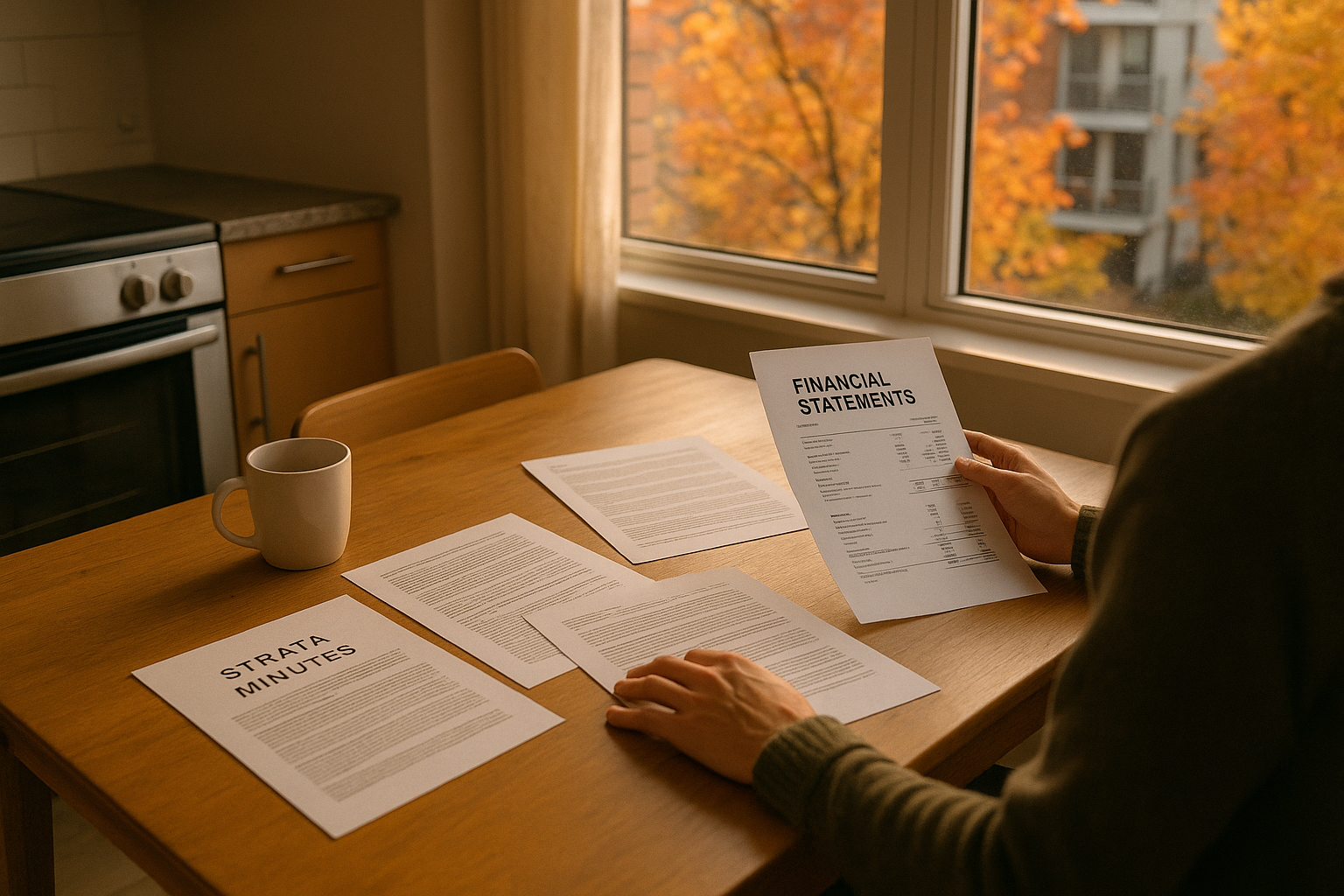
Unapproved alterations show up in strata documents most often through AGM or council meeting minutes, Form B, or correspondence included in the package. The Form B may contain notes about outstanding bylaw violations or work orders. Council or AGM minutes can record disputes about unauthorized renovations, complaints from neighbours, or council instructions to an owner to apply retroactively for permission.
Bylaws and rules in the documents will spell out the process required for approval, which buyers should compare to any renovations mentioned. Pay special attention to any "unresolved bylaw infractions" or "pending council decisions" noted in documents. Reviewing minutes closely, as described in How to Review Strata Meeting Minutes in BC’s Early Summer Market, can help you spot issues before you commit to a purchase.
What Are the Risks of Buying a Unit With Unapproved Alterations?
Buying a unit with unapproved alterations can expose you to strata-ordered restoration costs, insurance complications, and bylaw enforcement. If the council discovers an unapproved change after you take possession, you may become responsible for restoring the unit to its original condition, even if you weren't the one who did the work.
Strata insurance may not cover damage related to unauthorized alterations, and some lenders may hesitate to offer financing if issues are flagged. In cities like Burnaby or Surrey, this risk can delay sales or affect property value. Councils may also impose fines until the matter is resolved. Always factor the presence of unapproved work into your offer and due diligence.
How Should Owners and Buyers Address Existing Unapproved Alterations?
If you discover unapproved alterations, clarify the situation with the strata council and get written details about the status and any required remediation. Buyers should seek this clarification during due diligence, before subject removal, and may want an addendum to the contract specifying who will address the issue.
Owners should be proactive in seeking council approval—even after-the-fact—to avoid fines or forced restoration. Councils may retroactively approve work if it meets safety and bylaw standards, or provide a timeline for remediation. In some situations, a seller may have to restore the property as a condition of sale. Reviewing the full strata package—or using a tool like SearchStrata to analyze it efficiently—can highlight these issues early.
What Can Strata Councils Do About Unauthorized Alterations?
Strata councils can enforce bylaws by issuing fines, requiring restoration, or seeking court orders if unapproved alterations are discovered. Councils are responsible for ensuring all owners follow the strata's approval process, as outlined in their bylaws and under the Strata Property Act.
Typical steps include:
- Notifying the owner of a bylaw violation in writing.
- Providing an opportunity for the owner to answer or appeal.
- Imposing fines or requiring removal/restoration of the alteration.
- Recording the infraction in minutes or on the Form B until resolved.
For council members, documenting all correspondence and following due process is essential to avoid legal challenges. Councils can consult legal professionals for complex cases or ongoing disputes.
Frequently Asked Questions
Can a buyer negotiate repairs or approval for unapproved strata alterations?
Yes, buyers can request that the seller remedy unapproved alterations or obtain strata council approval as a condition of the sale. This is typically negotiated through an addendum to the contract.
Will insurance cover damage caused by unapproved alterations in BC strata?
Insurance policies often exclude coverage for damage resulting from unauthorized renovations. It’s important to clarify insurance implications with the strata and your insurer when discovering such changes.
What if a previous owner made an unapproved alteration without my knowledge?
New owners can still be held responsible for any unapproved alterations, even if performed by a previous owner. It’s crucial to review strata documents carefully before buying and address any flagged issues in writing.
How does the strata council find out about unapproved renovations?
Strata councils typically identify unapproved work via complaints from neighbours, building inspections, or when renovations are disclosed during sale transactions through minutes or Form B notes.
Can councils retroactively approve unauthorized alterations?
Yes, councils can choose to retroactively approve alterations if they meet bylaw and building code standards. However, they may also require restoration if the work does not comply.
Conclusion
Unapproved strata alterations create risk and uncertainty for buyers, owners, and strata councils in BC. Careful review of strata documents—especially minutes, bylaws, and Form B—helps flag potential problems early. For buyers, clarifying the status of any unapproved work before finalizing your purchase can save you time, money, and frustration. Owners and councils should prioritize open communication and proper record-keeping to resolve issues efficiently. Tools like SearchStrata can make it easier to analyze your strata package and spot red flags before they become costly headaches.