Quick Answer
In BC real estate, the completion date is when legal ownership and funds are transferred, the adjustment date is when you start paying for utilities and taxes, and the possession date is when you get the keys and can move in. These dates are often close together, but each serves a distinct purpose. Understanding them helps buyers avoid confusion, plan their move, and prevent unexpected costs.
What is the completion date in a BC home purchase?
The completion date is the day when the property's legal ownership changes hands and funds are transferred between buyer and seller. On this date, your lawyer or notary registers the title transfer at the Land Title Office, and your lender sends mortgage funds to complete the purchase. For buyers in cities like Vancouver or Surrey, this is the true 'closing day.' You are now responsible for insurance and certain costs, even if you don't have keys yet.
While the transaction legally finalizes on this day, you typically do not get access to the home until the possession date. The completion date is also when most closing costs—like property transfer tax, legal fees, and lender charges—are paid. Careful planning with your Realtor and notary can help avoid any last-minute issues.
How does the possession date work?
The possession date is when you receive the keys and can physically move into your new home. This date is usually one or two days after completion, but the gap can vary in busy markets like Burnaby or Victoria. The seller must vacate the property by a set time, often noon, on the possession date.
Possession is the milestone most buyers look forward to, but remember—your insurance must be active from completion, not just possession. If you find unexpected issues (damage, garbage left behind), report them immediately through your Realtor. Between completion and possession, you are the legal owner, but you may not yet have access, so timing matters for any moving or renovation plans.
What is the adjustment date, and why does it matter?
The adjustment date is the day financial responsibilities for property taxes, utilities, and strata fees officially shift to the buyer. It's often the same as the possession date, but not always—especially in complex deals or with rental suites in Richmond or Coquitlam.
On the adjustment date, your lawyer or notary calculates how much you owe or are owed for prepaid expenses like taxes or strata fees. For example, if the seller paid property taxes for the year and you take ownership partway through, you'll reimburse the seller for the portion after adjustment. Double-check your statement of adjustments before closing to avoid surprises.
Why are these dates sometimes different, and what can go wrong?
Completion, possession, and adjustment dates are often set close together but can be separated for logistical or negotiation reasons. If you’re selling and buying on the same day, a gap between completion and possession allows the seller to move out after their own purchase closes.
Delays in funding, registration, or occupancy can disrupt your timeline—especially in the fast-paced early-summer market where everyone wants to close before the school year. It's crucial to confirm dates in your contract and allow for unexpected hiccups. Talk with your Realtor and notary about contingency plans in case something holds up key handover or title transfer.
How do these dates affect moving, insurance, and document review?
These dates directly impact your move-in scheduling, insurance coverage, and the timing of final document review. Move-in should be planned for the possession date—not before. Insurance must start on completion, since you take on liability then, even if you don’t have the keys.
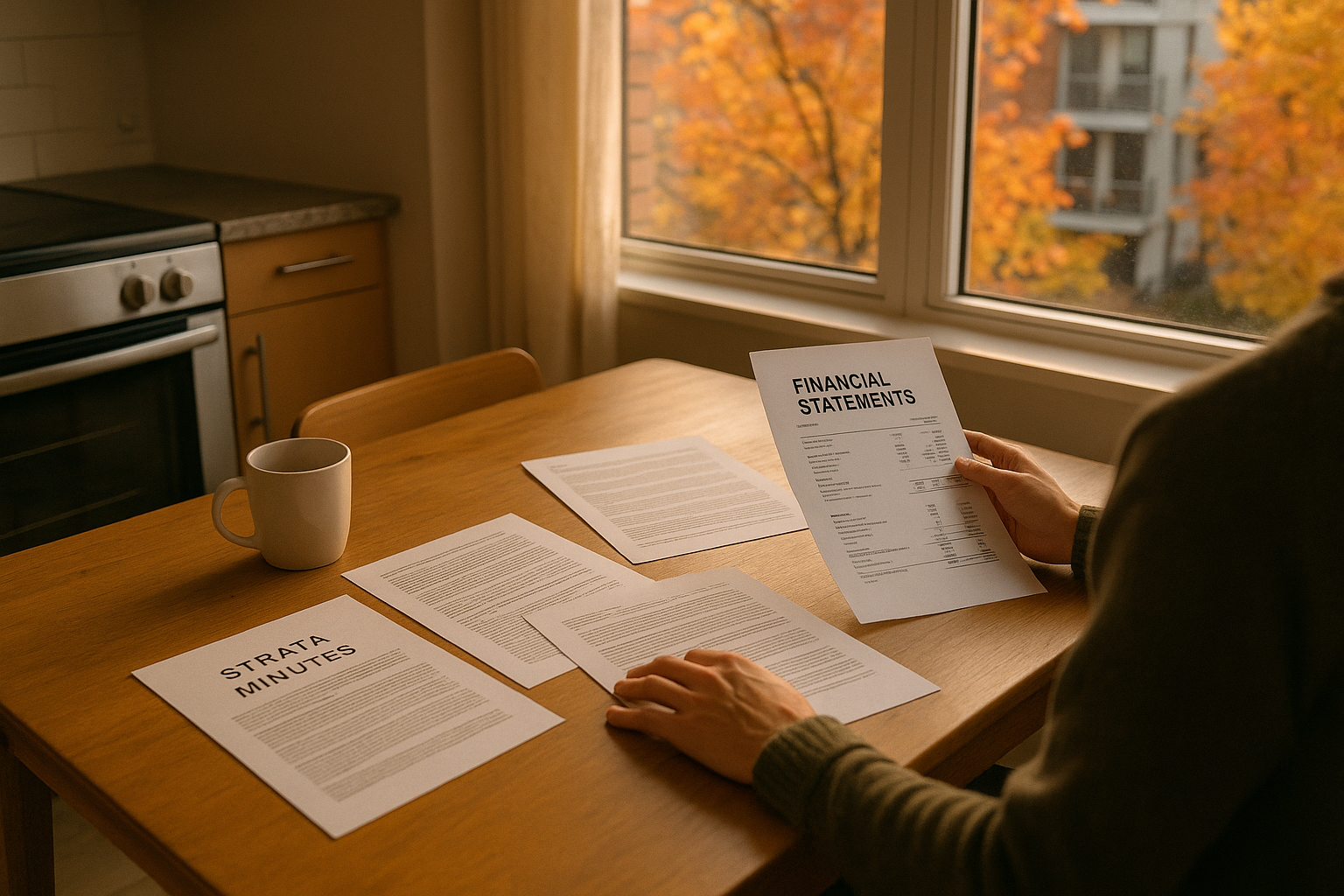
Final document review—including strata minutes, Form B, or property title—should be wrapped up before completion to avoid any last-minute disputes. Tools like SearchStrata make this process faster and more reliable, especially when you’re juggling other closing tasks. Communicate closely with your Realtor, notary, and lenders to ensure all steps are complete before each key date.
Frequently Asked Questions
Can the possession date be before the completion date?
No, the possession date always follows the completion date because you cannot take physical possession until you are the legal owner.
What happens if the seller doesn't move out by possession date?
If the seller doesn’t vacate by the possession date and time agreed in the contract, buyers can pursue remedies such as financial compensation through their real estate lawyer or notary.
Do I need to insure my home before possession?
Yes, home insurance must be in place starting on the completion date, since you become the legal owner—even if you don't have access yet.
What is included on the statement of adjustments?
The statement of adjustments lists all prepaid and outstanding expenses—like property taxes, strata fees, and utilities—allocating costs between buyer and seller as of the adjustment date.
Who handles the key handover on possession day?
Typically, your Realtor coordinates key handover with the seller’s agent once the sale has officially completed and the possession date arrives.
Conclusion
Completion, possession, and adjustment dates each play a distinct role in BC home purchases, and understanding them will help you avoid costly surprises or stressful delays. Plan your moving, insurance, and utility arrangements around these milestones, and ensure your legal and real estate teams are aligned on each step. If your purchase involves strata documents, consider using SearchStrata to review your strata package efficiently—so you can focus on your move with greater peace of mind.