Quick Answer
A defensible strata budget is one that transparently anticipates the corporation’s needs, withstands owner scrutiny, and follows the process set out in the Strata Property Act and regulations. To achieve this, councils must plan early, document their rationale, invite owner input, and keep a clear record of all decisions and assumptions. Always confirm the latest requirements for notice, voting thresholds, and spending categories.
What makes a strata budget "defensible"?
A defensible budget is one that can withstand owner challenges, regulatory review, or an examination by a future council. This means the council can point to a clear, good-faith process for estimating expenses, forecasting revenue, and communicating with owners. Transparency, consistency with governing documents, and proper recording of all decisions are key.
How should councils approach annual budget planning?
Council should begin budget planning several months before the AGM, reviewing past spending, contracts, and anticipated needs. Setting a timeline for drafts and owner review avoids rushed decisions and allows time for due diligence. Engaging the property manager, treasurer, and relevant committees can surface overlooked priorities and upcoming costs, especially for major expenses or projects in Vancouver or Surrey.
How do you balance owner expectations with actual building needs?
Councils must weigh owner appetite for fee increases against the corporation’s legal and practical obligations. Start by clearly presenting projected increases, unexpected repairs, and long-term depreciation report recommendations. Explaining cost drivers and future risks (like insurance premium volatility) in the budget notes helps owners understand the rationale, even if the news isn’t welcome.
What documentation should support your draft budget?
Supporting documents—past financials, maintenance contracts, depreciation report recommendations, and correspondence on major expenses—should be ready for council review and available to owners. Recording notes on key assumptions and discussions creates a defensible paper trail. This is especially crucial in a city like Victoria, where older buildings often have complex maintenance histories. For strategies on keeping meeting records reliable, see Orderly Minutes, Orderly Strata: Council Strategies for Reliable Meeting Records.
How should councils communicate the budget and handle the AGM vote?
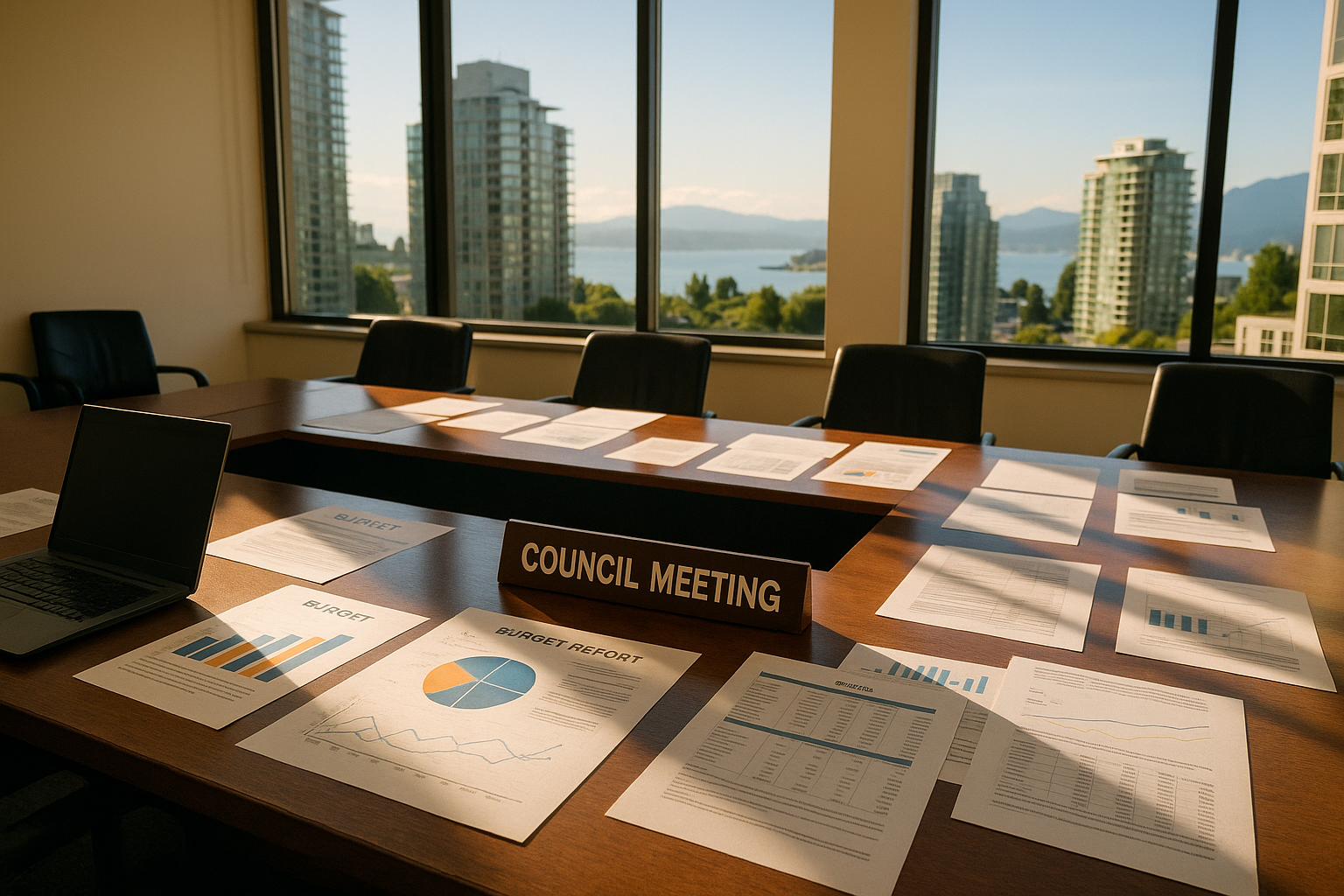
Councils must send budget documentation with the AGM notice, allowing owners enough time to review. At the AGM, present the budget with transparency: summarize changes, answer questions, and be honest about uncertainties. The budget is typically approved by majority vote, but always confirm the current threshold and procedural steps for your strata. Document the AGM discussion and voting outcome in detail, not just the result.
How can SearchStrata support council budgeting and record-keeping?
SearchStrata can help councils quickly analyze historical strata documents and identify trends or recurring expenses that should inform the current budget. By providing structured summaries of minutes, financials, and depreciation report items, SearchStrata lets councils spend less time sifting through paperwork and more time on proactive planning. Councils looking to streamline their document review process can try SearchStrata free.
Frequently Asked Questions
What spending requires a special levy versus budget approval?
Routine and predictable expenses are included in the annual budget, but repairs or upgrades outside the original budgeted scope often require a special levy approved by a higher voting threshold. Always check the latest rules and your strata’s bylaws.
How far in advance should councils prepare the budget before the AGM?
Many councils start at least two to three months before the AGM to allow for review, revisions, and proper notice to owners. Earlier planning helps address surprises and gives time for owner feedback.
Can owners propose changes to the draft budget at the AGM?
Owners can ask questions and suggest amendments at the AGM, but the process for actual changes depends on the strata's bylaws and meeting procedures. The budget must ultimately be approved by a majority of eligible voters, subject to the latest statutory requirements.
What if owners defeat the proposed budget at the AGM?
If a budget is not approved, the strata continues to operate on the previous year's budget until a new one is adopted. The council should promptly communicate next steps and propose a revised budget as soon as possible.
Should depreciation report recommendations always be funded in the budget?
Depreciation report recommendations are an important reference but not all items are mandatory or urgent. Councils should prioritize based on building needs, legal obligations, and available resources, consulting professionals as needed.
Conclusion
A defensible strata budget is built on transparency, early planning, and careful documentation. Council members and managers who prioritize clear rationales and robust records will be well-positioned to face owner questions and regulatory changes. When you want to streamline your review of historical documents or surface long-term patterns, SearchStrata can help your council prepare a budget that’s both diligent and defensible.