Quick Answer
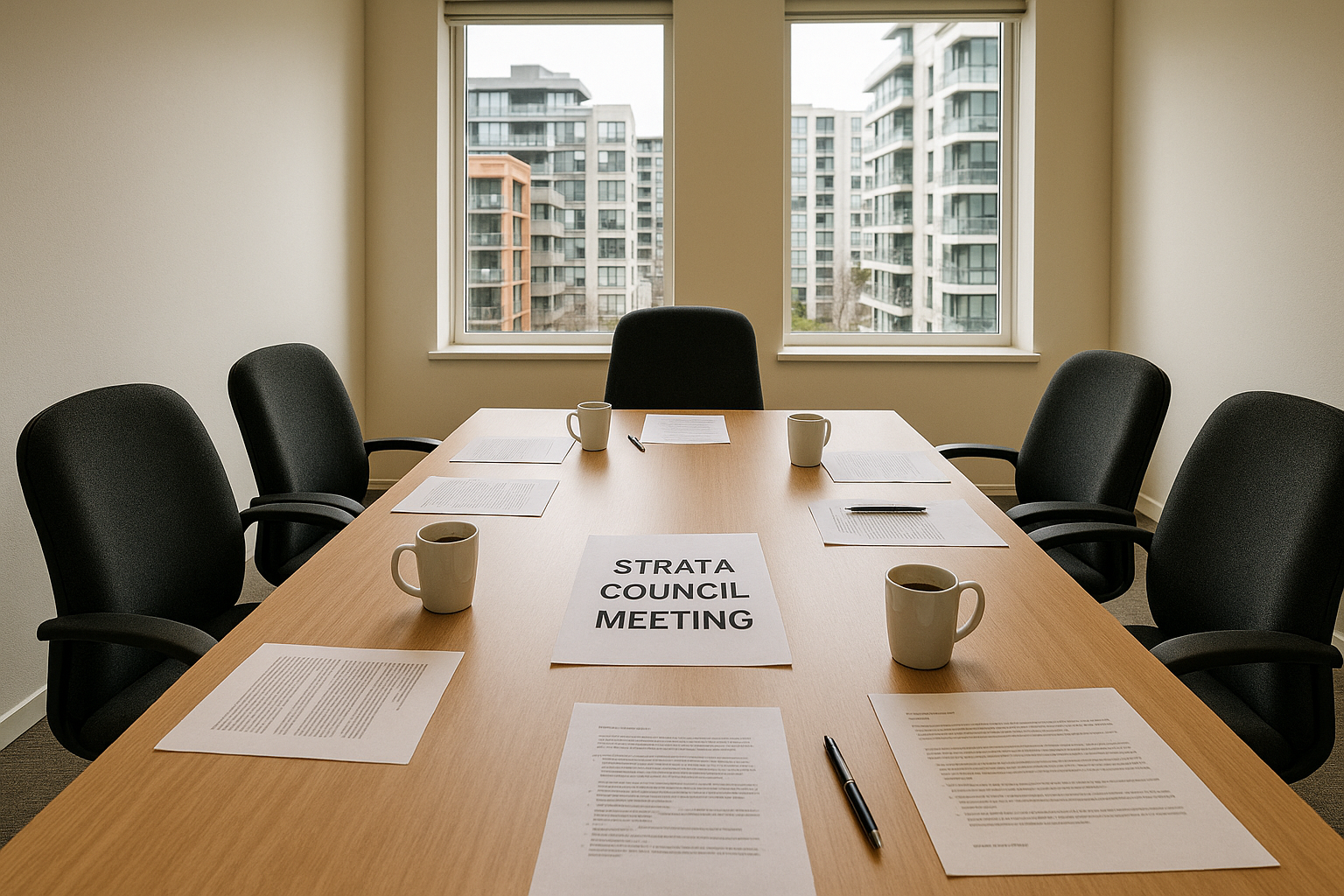
To run a defensible BC strata council meeting, follow the procedure set out in your bylaws and the Strata Property Act: give proper notice, verify quorum, stick to the published agenda, and document decisions clearly. Ensure all council members have a fair opportunity to participate and that minutes accurately reflect motions and outcomes. Always check your current bylaws and seek qualified advice if you’re unsure of legal requirements.
What Notice and Preparation Does a Council Meeting Require?
A defensible meeting starts with correct notice and documentation. Council members must receive advance notice as set out in your strata bylaws—often at least one week, but check your own rules for specifics.
Agendas should be circulated with the notice so council can review materials beforehand. In places like Vancouver, failing to provide proper notice has led to decisions being challenged or overturned. Always prepare any supporting documents (financials, correspondence, quotes) before the meeting. This not only streamlines discussion but also helps ensure decisions are based on current information.
How Should You Confirm Quorum and Who Can Participate?
Quorum is the minimum number of council members required to conduct business, as set by your bylaws. Without quorum, any decisions made are not valid.
Always start the meeting by confirming quorum is present and record this in the minutes. Typically, all elected council members are entitled to participate, but check your bylaws for any restrictions (for example, if someone is in arrears of strata fees, some bylaws may limit their participation). If someone has declared a conflict of interest, ensure they recuse themselves appropriately.
For more on common quorum and voting pitfalls, see Quorum and Voting Pitfalls: Making Your Strata’s AGM Defensible.
How Do You Structure an Effective and Defensible Council Meeting?
A well-run meeting follows a logical agenda and documents each step. Stick to the published agenda, moving through items systematically. Each motion should be proposed, seconded, discussed, and then voted on, with the results recorded in the minutes.
Council meetings should allow respectful discussion, but keep deliberations focused. Avoid informal decision-making (e.g., deciding by email or in the hallway) without proper process. In Surrey and other BC cities, poorly-documented decisions have led to disputes at the Civil Resolution Tribunal (CRT).
If time runs short, table unfinished business for the next meeting rather than rushing through important decisions.
What Should Be in the Minutes—and What Shouldn’t?
Minutes must accurately record the business conducted, including the date, attendees, quorum, motions, votes, and any conflicts of interest declared. Stick to facts—avoid personal opinions or verbatim transcripts.
Exclude sensitive details that don’t belong in public records, such as private owner information or confidential correspondence, unless legally required. Minutes are a legal record and can be requested by owners at any time. For tips on writing reliable meeting records, see Orderly Minutes, Orderly Strata: Council Strategies for Reliable Meeting Records.
How Can Councils Avoid Common Meeting Pitfalls?
Avoiding pitfalls means sticking to process and documenting defensibly. Common missteps include failing to give sufficient notice, missing quorum but proceeding anyway, making decisions outside of meetings, and recording incomplete minutes.
When in doubt, pause the meeting and verify your legal or bylaw obligations—don’t “wing it.” If you’re unclear about a meeting procedure, seek advice from your strata manager or a qualified BC strata lawyer.
Many councils now use tools like SearchStrata to organize and analyze their document trails, helping to keep meeting records accessible and defensible.
Frequently Asked Questions
What happens if quorum is lost during a strata council meeting?
If quorum is lost (e.g., members leave and the number drops below the required minimum), business should pause until quorum is restored. Decisions made without quorum may not be valid.
Do owners have a right to attend council meetings in BC?
Owners generally do not have a right to attend strata council meetings unless invited or permitted by the bylaws. There are exceptions for bylaw contravention hearings, or where the council figures your presence would unreasonably interfere with someone's privacy.
How soon should council meeting minutes be distributed?
Owners must be informed of council meeting minutes within 2 weeks of the meeting, whether or not the minutes have been approved yet. Some bylaws set specific timelines, so always check your strata's rules.
Can council make decisions by email instead of at meetings?
Some decisions may be made outside of meetings if permitted by your bylaws, but these must be properly documented and ratified at the next meeting. Always check your bylaws and current BC guidance.
What should be done if a council member has a conflict of interest?
If a council member has a conflict of interest, they should declare it and recuse themselves from discussion and voting on that item. The conflict and recusal should be recorded in the minutes.
Conclusion
Running defensible strata council meetings means being procedural, fair, and thorough—from notice to agenda, to quorum, to clear and factual minutes. Avoid shortcuts, document everything important, and look to your bylaws and the Strata Property Act for guidance. Using systems like SearchStrata can help councils keep their records organized and accessible, reducing risk and confusion for both current and future council members.