Quick Answer
To read your strata’s Contingency Reserve Fund (CRF), review your latest annual financial statements to check the fund’s opening balance, contributions, withdrawals, and ending balance. Compare these figures to projected expenses in your depreciation report to assess whether the CRF is adequately funded and whether special levies may be on the horizon.
What is the Contingency Reserve Fund and why does it matter?
The Contingency Reserve Fund (CRF) is your strata’s savings account for major repairs and unforeseen expenses. A healthy CRF helps avoid sudden special levies and supports long-term building stability.
BC’s Strata Property Act requires every strata corporation to maintain this fund. The CRF pays for expenses beyond regular maintenance—think roof replacement, plumbing upgrades, or emergency repairs. The larger and older your building, the more crucial a robust CRF becomes.
How do you find and read the CRF numbers in your financials?
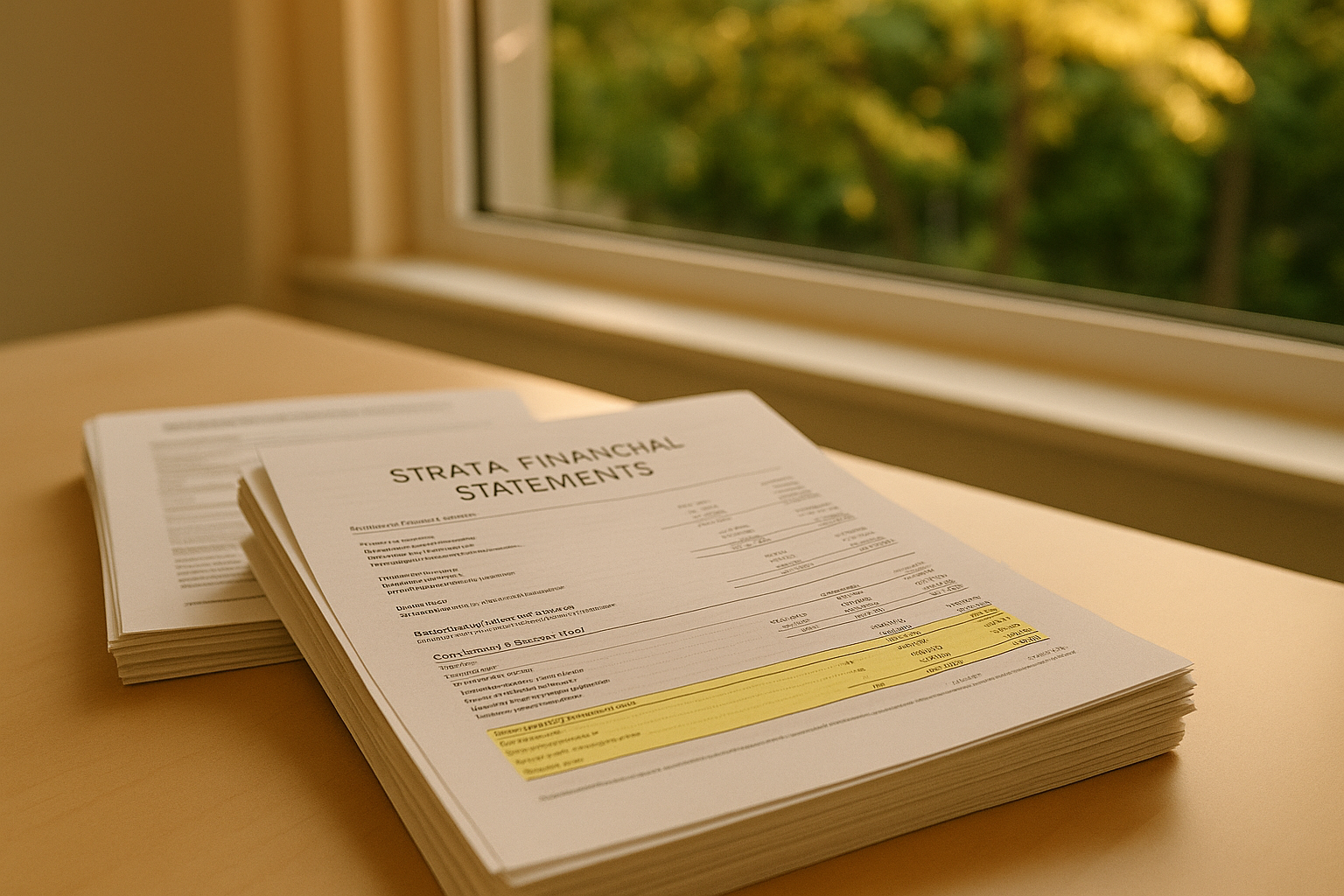
You’ll find detailed CRF numbers in your strata’s annual financial statements, usually distributed before each AGM. Look for a dedicated section or table titled 'Contingency Reserve Fund.'
Focus on these key figures:
- Opening balance (start of fiscal year)
- Contributions (added from monthly strata fees)
- Withdrawals (major repairs or emergencies)
- Closing balance (end of fiscal year)
If you’re unsure where to look, Vancouver and most Lower Mainland strata corporations follow similar reporting formats.
How do you know if your strata’s CRF is healthy?
A healthy CRF typically aligns with the funding recommendations in your building’s depreciation report. If your closing balance is well below those targets, future special levies are more likely.
BC law sets a minimum annual contribution to the contingency reserve fund of at least 10% of what the budget puts toward the operating fund, but most professionals recommend putting away much more for older buildings. Compare annual contribution levels and planned expenditures to see if your fund is keeping pace with upcoming costs.
What red flags suggest a special levy could be coming?
Red flags include a CRF balance that’s not increasing, significant upcoming projects in the depreciation report, or repeated withdrawals that outpace contributions. Low or stagnant CRF balances make it hard to fund major repairs without extra owner contributions.
Review your AGM and SGM minutes for discussions of "insufficient reserves" or "deferred maintenance." For more on this topic, see How to Spot Early Warning Signs of a Special Levy in Your BC Strata.
How should owners use CRF information to advocate for their building?
Owners can use CRF data to ask informed questions at AGMs and to encourage responsible long-term planning. If you notice chronic underfunding, bring it up with council or the property manager.
Proactive owners may advocate for higher contributions to reduce the risk of disruptive levies. Tools like SearchStrata can help you analyze your CRF and related strata documents, making it easier to spot trends and risks.
Frequently Asked Questions
What is the minimum Contingency Reserve Fund required by law in BC?
BC law requires strata corporations to maintain a CRF, but the amount of the annual contribution is for the strata corporation itself to determine, subject to the requirements set out in the regulations.
Can the CRF be used for any type of expense?
The CRF can only be used for expenses that are not usually covered by the operating fund, such as major repairs, replacements, or emergencies—not regular maintenance.
How can I access my strata’s CRF statement?
You can review the CRF statement in your annual financial package or request a copy of the financial statements from your strata manager or council under Section 35.
Who decides when to use CRF funds?
The strata council typically approves CRF expenditures, but larger projects may require a 3/4 vote of owners at an AGM or SGM, depending on the scope.
What happens if the CRF is too low when a major repair is needed?
If the CRF is underfunded, the strata may need to approve a special levy, requiring owners to contribute additional funds for the project.
Conclusion
Understanding your strata’s Contingency Reserve Fund puts you in a stronger position to protect your home and your finances. By tracking the CRF balance and comparing it to planned expenses, you’ll spot financial risks before they turn into urgent problems. If you want to dig deeper or simplify your document analysis, consider using SearchStrata to review your strata package and make sense of the numbers.