Quick Answer
You can spot early signs of a special levy in your BC strata by reviewing council meeting minutes, financial statements, and the depreciation report for mentions of major repairs or shortfalls in the contingency reserve fund. Look for repeated discussion of costly projects, rising maintenance estimates, or urgent repairs that exceed existing budgets—these are common indicators that a special levy may be on the horizon.
What is a Special Levy in a BC Strata?
A special levy is a one-time charge imposed on strata owners to cover extraordinary expenses not included in the regular operating budget. These expenses often relate to major repairs, replacements, or unexpected events. In many Vancouver and Surrey buildings, special levies have been used for new roofs, elevator upgrades, or urgent plumbing replacements. While regular strata fees fund the day-to-day, special levies typically cover larger costs that can't be deferred or fit within the contingency reserve fund.
Which Documents Reveal Early Warning Signs?
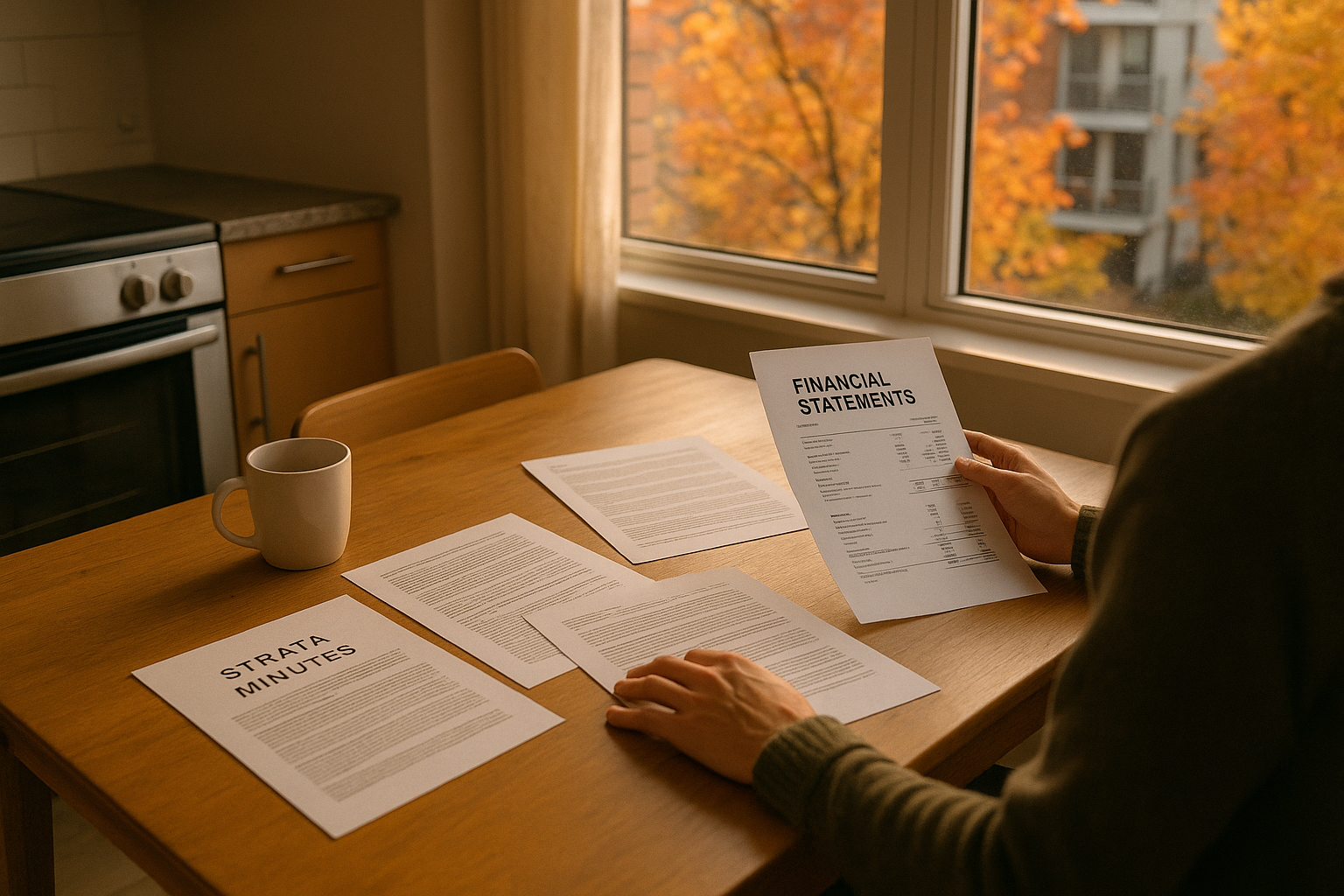
Meeting minutes, financial statements, and the depreciation report are key sources for spotting special levy warning signs. Minutes from both council and general meetings reveal discussions about major projects, repeated funding challenges, or unexpected damage. Financial statements show the health of the contingency reserve fund; a consistently low balance or references to deferred maintenance suggest potential assessments. The depreciation report outlines upcoming capital expenditures and gaps between projected costs and available savings. By reviewing these documents, owners can track which big-ticket items are approaching—and how the strata plans to pay for them.
How Do Council Minutes Signal an Upcoming Special Levy?
Council minutes often provide the first hints of looming special levies by documenting conversations about large projects or repair requests. Direct statements like "further investigation required" or "quotes being obtained for envelope repairs" indicate early-stage planning. Watch for repeated agenda items about the same issue over months, growing urgency in language, or motions to seek engineering reports. In Burnaby, for example, a year's worth of minutes might reveal ongoing roofing issues slowly escalating to emergency discussions—often a red flag that a levy may soon be proposed.
Why Does a Low Contingency Reserve Fund Matter?
A low or declining contingency reserve fund (CRF) means your strata has limited resources to address unexpected or scheduled capital expenses, increasing the likelihood of a special levy. The CRF is supposed to cover major repairs outlined in the depreciation report, but if it's chronically underfunded, any urgent project could require an extra owner assessment. Financial statements and AGM packages usually reveal the current fund balance and approved contributions. If you notice your CRF sitting well below recommended levels, it's a signal to ask how upcoming projects will be paid for—especially in Coquitlam and older Richmond buildings, where repair cycles may be accelerating.
What Patterns in the Depreciation Report Indicate Risk?
The depreciation report highlights which building components are aging and predicts when major repairs will be needed. If the report shows several costly items (like balconies, pipes, or the building envelope) due within a short period, and the CRF can't cover those expenses, the risk of a special levy rises. Look for summary tables comparing projected costs with available reserves. If your strata is deferring recommended work or failing to meet funding targets, it's a sign that owners may face special assessments when those deadlines arrive. Even in well-managed Victoria condos, an underfunded plan outlined in the depreciation report can foreshadow surprise levies.
Frequently Asked Questions
What is the difference between a special levy and regular strata fees?
Regular strata fees pay for ongoing operating expenses and planned savings, while a special levy is a one-time charge for significant, unbudgeted repairs or replacements.
How are special levies approved in a BC strata?
Special levies require approval by a 3/4 vote at either an Annual General Meeting (AGM) or a Special General Meeting (SGM), after notice and discussion with owners.
Can owners refuse to pay a special levy?
No, once a special levy is approved by the required majority, all owners must pay their share according to unit entitlement, unless the Civil Resolution Tribunal rules otherwise.
Where can I find out if a special levy is being considered?
Check recent council minutes, AGM/SGM packages, and financial statements, as these documents record discussions and decisions about proposed levies.
What happens if the contingency reserve fund is too low?
If the CRF is insufficient to cover a major expense, the strata council may propose a special levy, which owners would need to approve at a meeting.
Conclusion
Being proactive about monitoring your strata's records helps you avoid being blindsided by special levies. Review minutes, financial statements, and the depreciation report regularly, and don't hesitate to ask your council for clarification if you spot red flags. If you want help analyzing your strata documents, tools like SearchStrata can quickly surface these early warning signs, giving you peace of mind about your building's financial health.