Quick Answer
A depreciation report is a mandatory planning document that outlines your strata’s physical assets, expected maintenance, and repair costs over the next 30 years. For owners, it’s the clearest way to see what building expenses are coming, when they’re predicted, and how prepared your contingency fund is. Always check the summary tables, funding models, and recommendations to understand what might affect your fees and the risk of future special levies—then verify the report is current and reflects your building’s actual condition.
What is a depreciation report, and why does it matter to owners?
A depreciation report is a professional assessment of your strata’s common property, estimating when components (like roofs, elevators, plumbing) will need repairs or replacement and what those might cost. This report is required for most strata corporations in BC, though there are exceptions and the exact mandatory schedule changes—owners should verify current requirements with the province or a legal expert.
For owners, the depreciation report isn’t just a technical document: it shapes your council’s budgeting decisions and gives you insight into upcoming expenses. If you want to avoid sudden special levies or dramatic fee increases, understanding this report is crucial.
In cities like Vancouver and Victoria, where older buildings are common, reviewing your depreciation report can highlight issues like aging piping or neglected envelope work—key risks for owners. The report also provides evidence if you want to question your strata council’s financial planning.
How do I find the key details in my strata’s depreciation report?
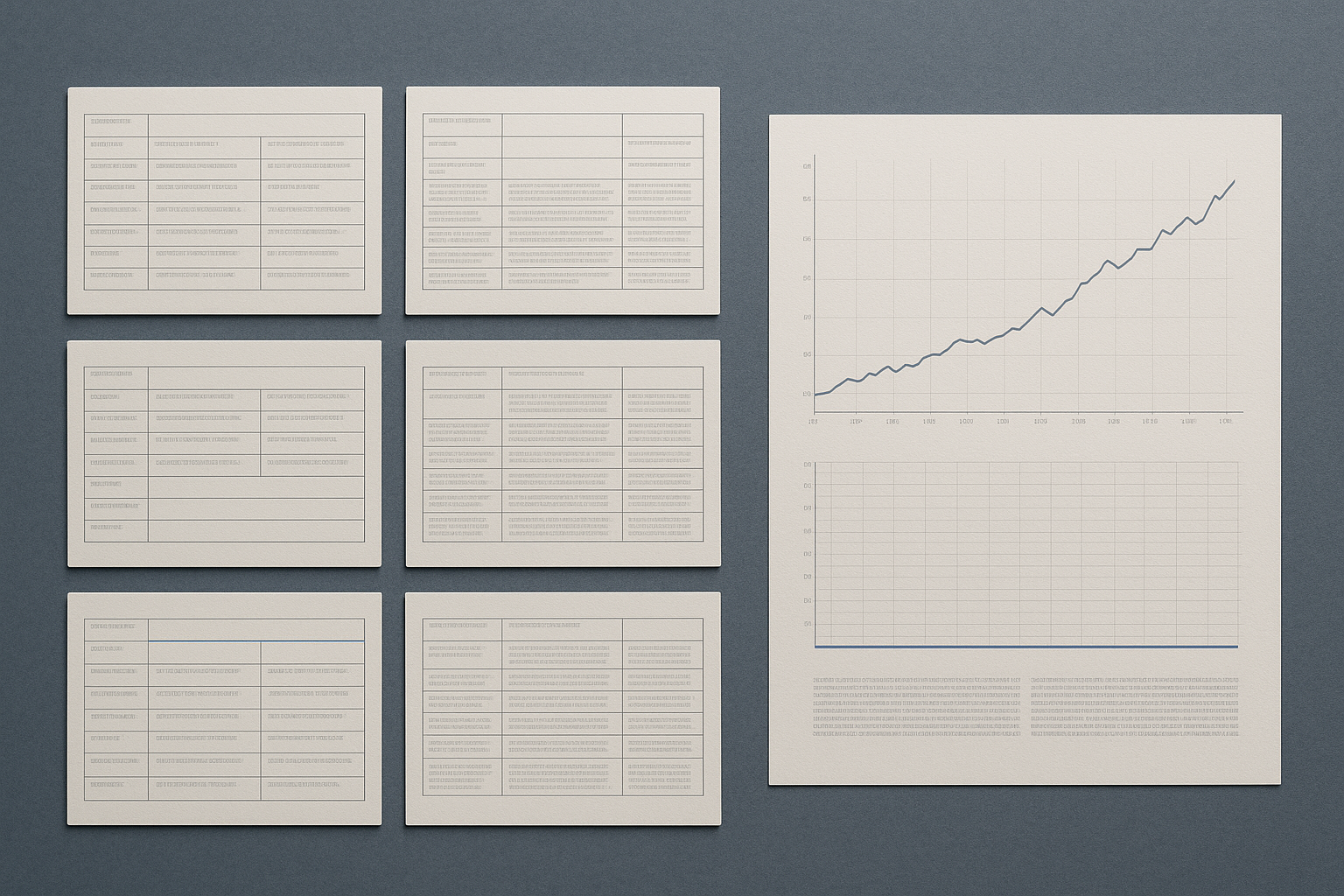
To make sense of a depreciation report, start with the summary tables—these outline major components, estimated lifespans, anticipated replacement years, and cost projections. These tables usually appear in the first few pages or as appendices.
Focus on:
- Projected timing (when big repairs will be needed)
- Estimated costs (what each item might cost in today’s dollars)
- Funding models (side-by-side plans for how the strata could pay for these items: keep fees as-is, increase fees, or collect special levies)
The narrative sections may seem dense, but the charts and models tell the actionable story. Look for recommended contributions to the contingency reserve fund—these show what the engineers think your council should be saving each year.
What warning signs should owners watch for?
Owners should watch for large expenditures scheduled within the next 5–10 years that aren’t yet fully funded. This gap often signals a higher risk of special levies or sudden fee jumps.
Some warning signs include:
- Repeated deferral of major projects (e.g., roof or elevator replacement pushed back in each report cycle)
- The funding model showing a shortfall if fees aren’t increased
- Recommendations for contributions that are much higher than what the strata actually budgets
- Noting key repairs that are overdue or marked as urgent
If your report is more than a few years old or seems out-of-date with the building’s real condition, ask your council if a newer assessment is planned. For a deeper dive into early levy warning signs, see How to Spot Early Warning Signs of a Special Levy in Your BC Strata.
How does the depreciation report relate to the contingency reserve fund?
The depreciation report and contingency reserve fund (CRF) are closely linked: the report forecasts future repairs, while the CRF is your savings account for those costs. A strong CRF can soften the blow of major expenses and help avoid special levies.
Compare your CRF balance (usually found in your annual budget or financial statements) to the recommended targets in the depreciation report. If your strata consistently saves less than advised, be prepared for either higher fees or special levies down the road.
You can find more on interpreting these links in How to Read Your Strata’s Contingency Reserve Fund: What Owners Should Watch For.
What should owners do with this information?
Owners should use the depreciation report to ask informed questions at council meetings and AGMs, and to advocate for responsible financial planning. Reviewing the next 3–5 years of scheduled projects can help you anticipate fee increases or propose spreading out upgrades more evenly.
If you spot inconsistencies—like the report recommending urgent repairs that aren’t in the budget—raise this with council or the property manager. Keeping an eye on both the report and actual work done helps protect your investment and your home's livability.
If you want to automate this kind of review or compare reports over time, you can try SearchStrata free to speed up your analysis and spot trends faster.
Frequently Asked Questions
Is my strata legally required to have a depreciation report?
Most BC strata corporations are required to obtain a depreciation report on a schedule set by regulation, but some exceptions exist. Always verify your building’s current legal obligation and next due date with your council or a qualified advisor.
How often should a depreciation report be updated?
BC regulations require periodic updates, but the exact frequency can vary and has changed over time. Check with your strata council or review the current provincial requirements for your building.
What’s the difference between the depreciation report and the contingency reserve fund?
The depreciation report forecasts upcoming repair costs and timelines, while the contingency reserve fund is the strata's savings account to pay for those items. Reviewing both together helps owners understand the building’s financial preparedness.
Can owners challenge the findings of a depreciation report?
Owners can raise concerns about the accuracy or assumptions in a depreciation report at AGMs or council meetings. Major disagreements may require further investigation or a second opinion from another engineering firm.
How do I know if big repairs are coming soon in my strata?
Check the summary tables and schedules in your depreciation report for upcoming major projects within the next five years. If these aren’t fully funded in your strata’s financials, there’s a higher risk of special levies or fee increases.
Conclusion
Reading your strata’s depreciation report isn’t just for accountants—it’s a practical tool for protecting your investment and keeping your building healthy. Look for upcoming projects, funding gaps, and whether your council is following the report’s recommendations. If you’d like to make this process faster or compare past and current reports, consider using SearchStrata to quickly surface the essentials and stay ahead of costly surprises.