Quick Answer
A BC strata depreciation report details the current state of a strata building’s major components and forecasts upcoming repair and replacement costs over 30 years. In the busy spring market, reviewing this report is essential for buyers and owners to understand future expenses and spot potential red flags that could affect property value or lead to significant special levies.
What is a Strata Depreciation Report, and Why Does it Matter Now?
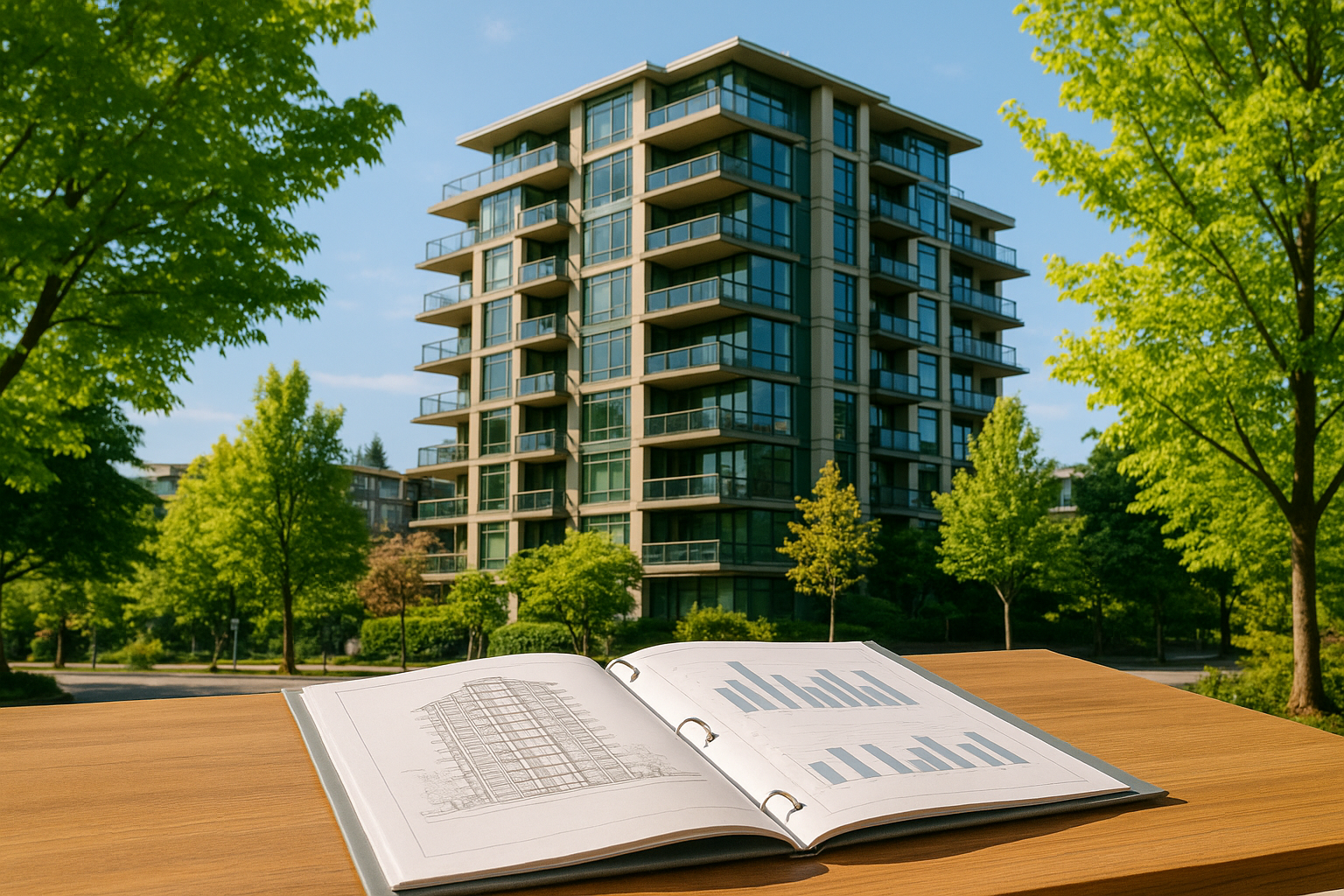
A strata depreciation report is a professional assessment of your building’s physical assets and projected maintenance costs. In the spring market, many listings change hands, making this report critical for informed decision-making.
Every strata in BC (with some exceptions) must obtain a depreciation report at least once every five years, outlining the condition of roofs, windows, elevators, and other shared assets. Buyers in cities like Vancouver or Surrey rely on these reports to anticipate major upcoming expenses and budget for ownership beyond monthly strata fees.
A recent, thorough report can be a green flag, while outdated or missing reports signal higher risk. Always check the report’s date and whether the strata is overdue for an update—a new report is required at least every 5 years, and a strata can’t vote to exempt itself from that.
Which Sections of the Depreciation Report Should You Focus On?
The most important sections of a BC strata depreciation report are the component inventory, the 30-year financial projections, and the summary of recommendations. These sections quickly reveal what is coming up for repair and the estimated costs.
Look for clear schedules showing when items like roofing, piping, or elevators are due for replacement. In areas like Burnaby or Richmond, exterior envelope repairs are common and costly. The financial tables should outline yearly projections for the contingency reserve fund (CRF) and projected special levies.
Review the summary of recommendations for notes on urgent repairs or deferred maintenance. If a strata has repeatedly delayed key projects, ask why and expect higher costs down the road.
How Do Depreciation Reports Affect Special Levies and Strata Fees?
Depreciation reports directly influence whether a strata increases fees or passes a special levy for major repairs. The report’s projections help set realistic contribution levels for the CRF.
If the report shows large, unavoidable expenses coming soon, buyers should expect either substantial fee hikes or special assessments. For example, an upcoming elevator replacement in a Coquitlam condo might require a significant levy unless the CRF is sufficiently funded.
A strata with a healthy reserve and transparent planning is less likely to surprise owners. Watch for language about "deferred" items or "unfunded" liabilities—these often mean higher costs are looming.
What Red Flags Should Buyers and Owners Watch for in the Report?
Key red flags in a strata depreciation report include outdated assessments, missing major components, deferred recommendations, or unrealistic repair cost estimates. These issues can signal hidden risks.
A report older than three years, or repeated ¾ votes to exempt, should make you pause. Also, if the component list omits big-ticket items (like windows or balconies), ask why. Inflated timelines or under-estimated costs may lead to nasty financial surprises, especially in fast-moving markets like New Westminster or Victoria.
If the report references ongoing issues (such as water ingress or structural settling), get more details before buying or selling. Consider using a platform like SearchStrata to analyze your strata package thoroughly for hidden risks.
How Can You Use the Depreciation Report for Smarter Offers in the Spring Market?
You can leverage a strata depreciation report to negotiate price, prepare for future costs, and gauge the building’s true condition before making an offer. In the competitive spring market, this insight helps buyers act decisively.
If the report shows imminent, expensive work, factor those costs into your offer or ask for concessions. For example, if a Vancouver building needs a new roof within two years, that’s a strong negotiation point.
Buyers and agents should also cross-check the depreciation report’s findings against council meeting minutes and recent special levies for consistency. For more tips, see our guide on Special Levies in BC Strata: What Buyers and Owners Should Watch For During Spring Market Activity.
Frequently Asked Questions
Are all BC strata corporations required to have a depreciation report?
Most strata corporations in BC are required to obtain a new depreciation report at least once every five years, and there is no longer any option to opt out by a ¾ owners’ vote. Some smaller stratas or those with frequent opt-outs may not have a report, which is a risk for buyers.
What if the depreciation report is older than three years?
If a depreciation report is outdated, the strata may be deferring updates, raising concerns about hidden problems or major repairs being overlooked. Buyers should request an explanation and factor this into their decision.
How accurate are the cost estimates in a depreciation report?
Cost estimates in depreciation reports are educated projections, but real-world costs can vary. Market conditions, inflation, and unforeseen issues may result in higher or lower expenses than listed in the report.
Can a strata corporation refuse to share its depreciation report?
Under the Strata Property Act, owners and potential buyers are entitled to access the depreciation report. Strata corporations cannot withhold it if it exists, though they may charge a reasonable fee for copies.
Do lenders require a depreciation report for BC strata purchases?
Many lenders prefer to see a current depreciation report during a mortgage application, as it indicates the building’s maintenance planning. However, requirements differ by lender and by the age or condition of the building.
Conclusion
A thorough review of the strata depreciation report is one of the most critical steps for BC buyers and owners, especially during the fast-paced spring market. Understanding what’s coming up for repair—and what might trigger fee increases or levies—can protect you from costly surprises. For a fast, clear analysis of your strata documents, including depreciation reports, consider having your documents reviewed with SearchStrata.