Quick Answer
Buyers can identify a BC strata building’s structure, construction era, home count, management, and major remediation history using public sources—before document review. Land title, BC Assessment, municipal open data, and strata plan filings each provide different pieces, letting you get a concrete sense of what the building is made of, how old it is, and what has already been repaired.
How do you identify a strata building in BC public records?
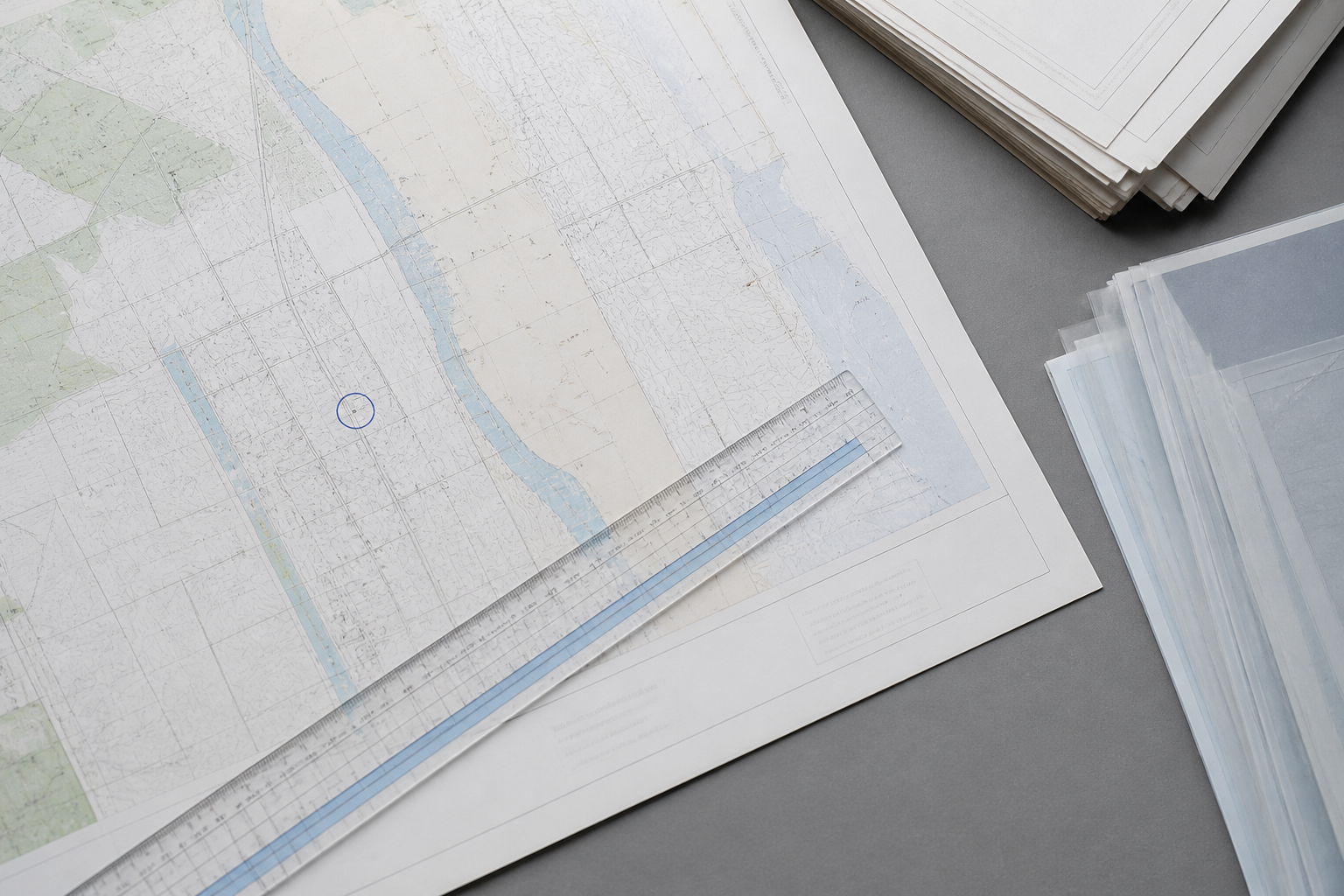
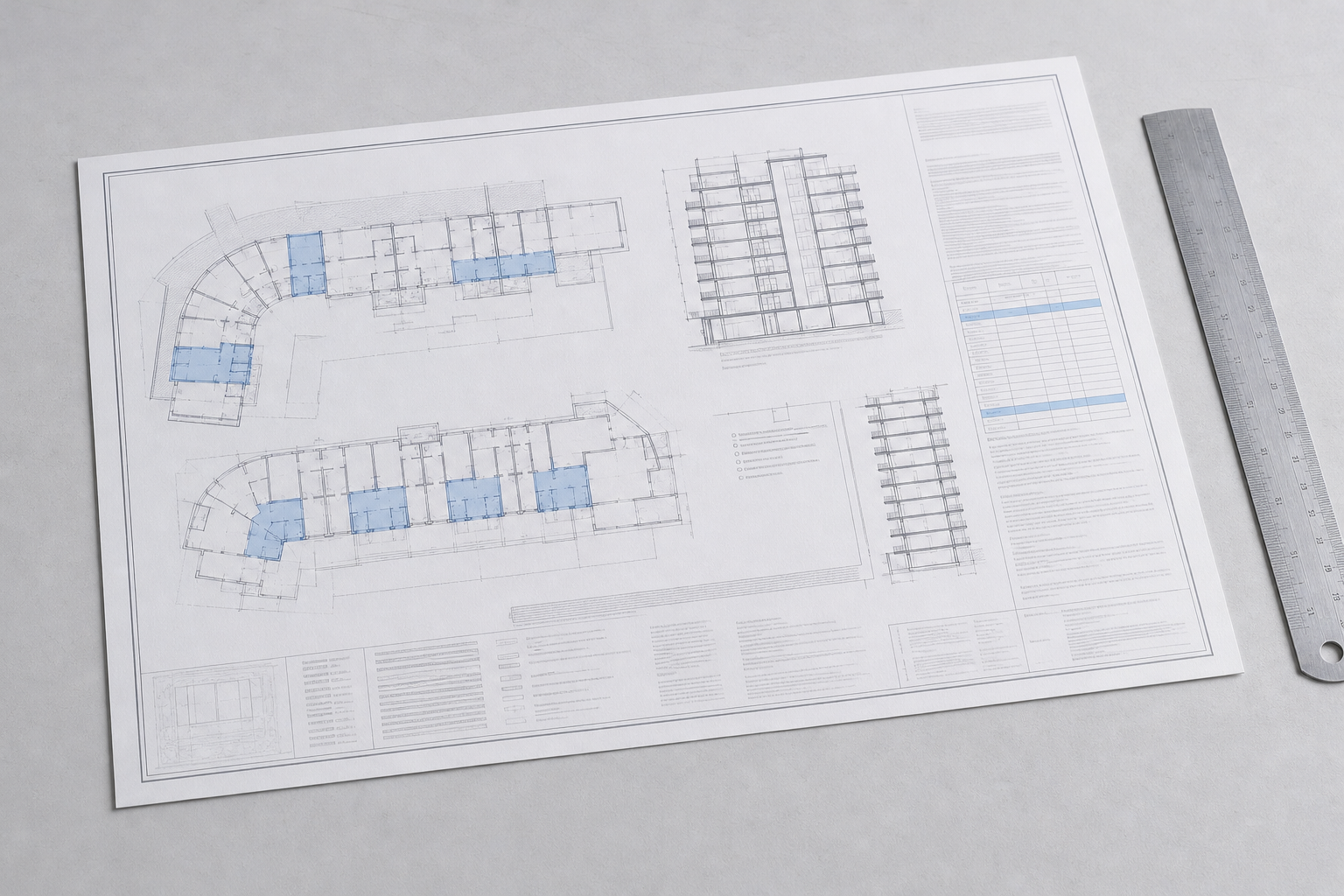
A strata building is officially identified by its strata plan number (e.g., LMS1234) on Land Title Office records and municipal property rolls. This number connects listings, BC Assessment, and legal descriptions. Searching the strata plan gives you the blueprint: the site, building footprint, and often construction materials.
For home buyers, the strata plan number is key to tracing the building’s overall identity, linking it across platforms like BC Assessment, land title, and municipal data. Even before requesting documents, this lets you confirm if a building in Vancouver or Surrey matches the listing.
What building details can you read from land title, BC Assessment, and open data?
Land title records confirm the legal strata plan, year of registration, and sometimes the original owner developer. BC Assessment adds year built, construction type (wood-frame, concrete, etc.), storeys, and unit count—helpful for differentiating a six-storey concrete building from a three-storey wood-frame walk-up.
Many municipalities publish open data on building footprints, height, use, and sometimes completed permits (like envelope remediation). Together, these sources paint a snapshot of the building’s age, physical form, and original construction.
How does construction era affect what you look for?
A building’s construction era signals likely materials and known risks in BC. Homes from the late 1980s to late 1990s—especially in the "leaky condo era"—often have problematic exterior envelopes, making remediation history critical to check.
Buildings completed post-2000 in Vancouver and Burnaby are more likely to have rainscreen exteriors and modern details. Wood-frame versus concrete is typically flagged in BC Assessment and strata plan notes, helping buyers spot higher-maintenance structures.
How do you find out if a building has been remediated?
Major remediations—like full envelope or window replacements—are sometimes flagged in open municipal permit data or BC Assessment notes. These often appear as completed work under permits for "building envelope repair" or "window replacement."
Land title records do not list remediations, but a building with a recent substantial renovation permit and a new exterior in city data is a strong candidate for prior repairs. For specifics, the strata documents (minutes, depreciation report) are needed, but the public record gives an early signal.
Who manages the building and how many homes are there?
The building manager’s identity is usually posted at the entrance, but BC Assessment and some city open data sets list the management company or strata management contact. Unit/home count is typically found in BC Assessment and the original strata plan document.
Knowing the exact number of homes helps buyers compare apples to apples: a 200-unit tower is a different risk profile than a 12-unit wood-frame walk-up in Victoria. Management history is crucial, but the public record offers a first pointer before reading deeper in the strata's internal documents.
Frequently Asked Questions
What is a strata plan number and why is it important?
A strata plan number (like LMS1234) uniquely identifies a BC strata building and links its legal documents, assessment records, and listings.
How do I find out a building’s construction year and materials?
BC Assessment usually lists the year built and construction type, while the strata plan document confirms the building’s original physical details.
Can I tell if a building was remediated before seeing the strata documents?
Major remediations may be flagged in BC Assessment, city open data, or through permit records, but full details require strata documents.
How many homes are in the building, and where is that shown?
The number of units is usually listed in BC Assessment, the original strata plan, and sometimes city open data sets.
Does the building manager show up in public records?
Some city open data and BC Assessment entries include strata management contacts, but this information is more reliably confirmed on-site or in strata documents.
Conclusion
For home buyers, reading a BC strata building’s physical profile from public records is an essential first step. It can reveal the age, construction type, unit count, and whether major remediation has likely been done—all before you see the official strata package. Once you have the documents in hand, you can use specialized tools like SearchStrata to analyze the deeper details, but the public record is always free and a practical way to shortlist the safest, best-fit buildings for your search.