Quick Answer
A BC strata building’s age, construction era, materials, number of units, and management history can be pieced together from public records—before you ever see the strata documents. Land title filings, BC Assessment, municipal records, and strata plan numbers each give different clues. These free sources reveal whether a building is wood-frame or concrete, its leaky-condo-era risk, storey count, unit total, management company, and what major remediation may have occurred.
How to Identify the Building: Strata Plan Numbers and Street Address
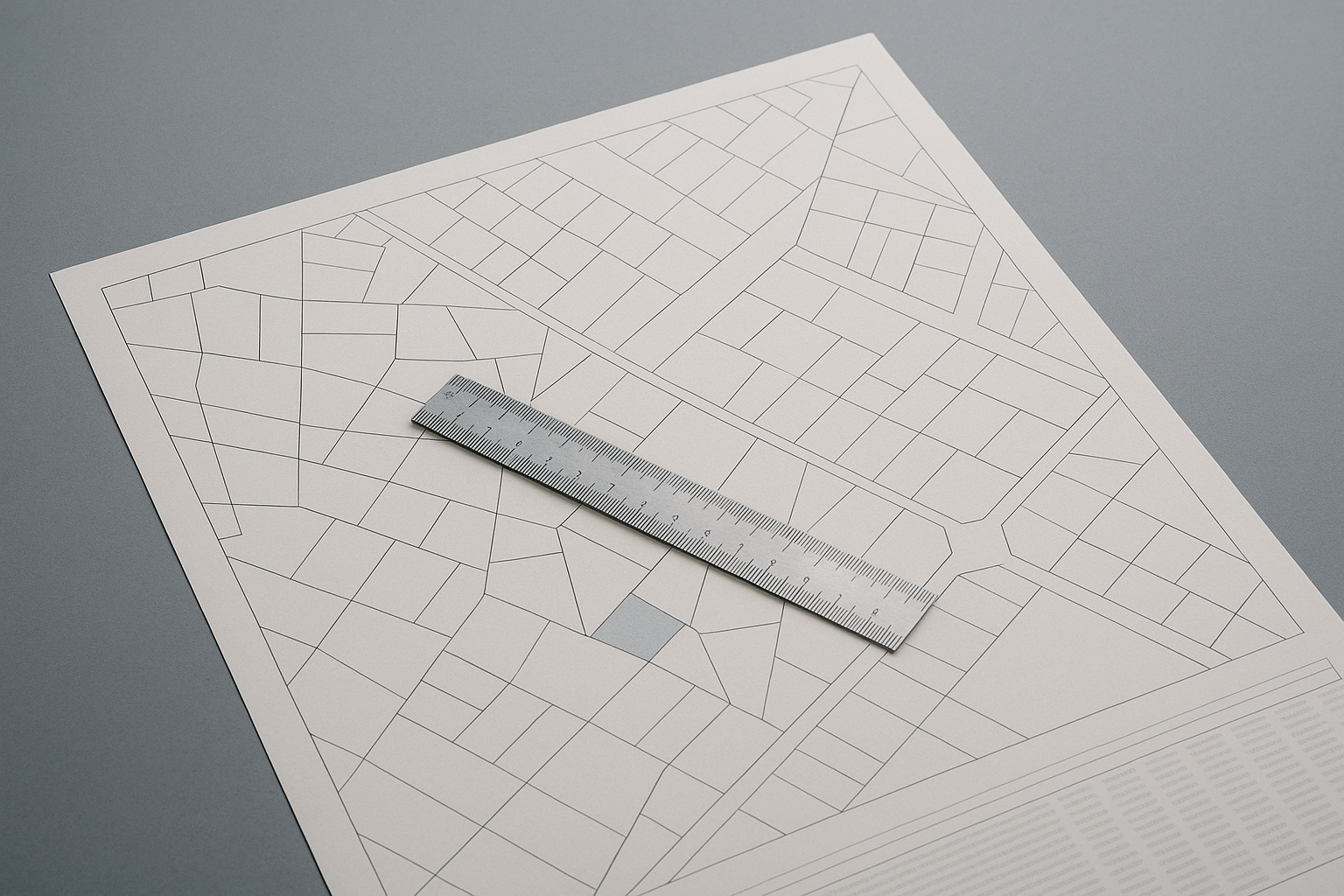
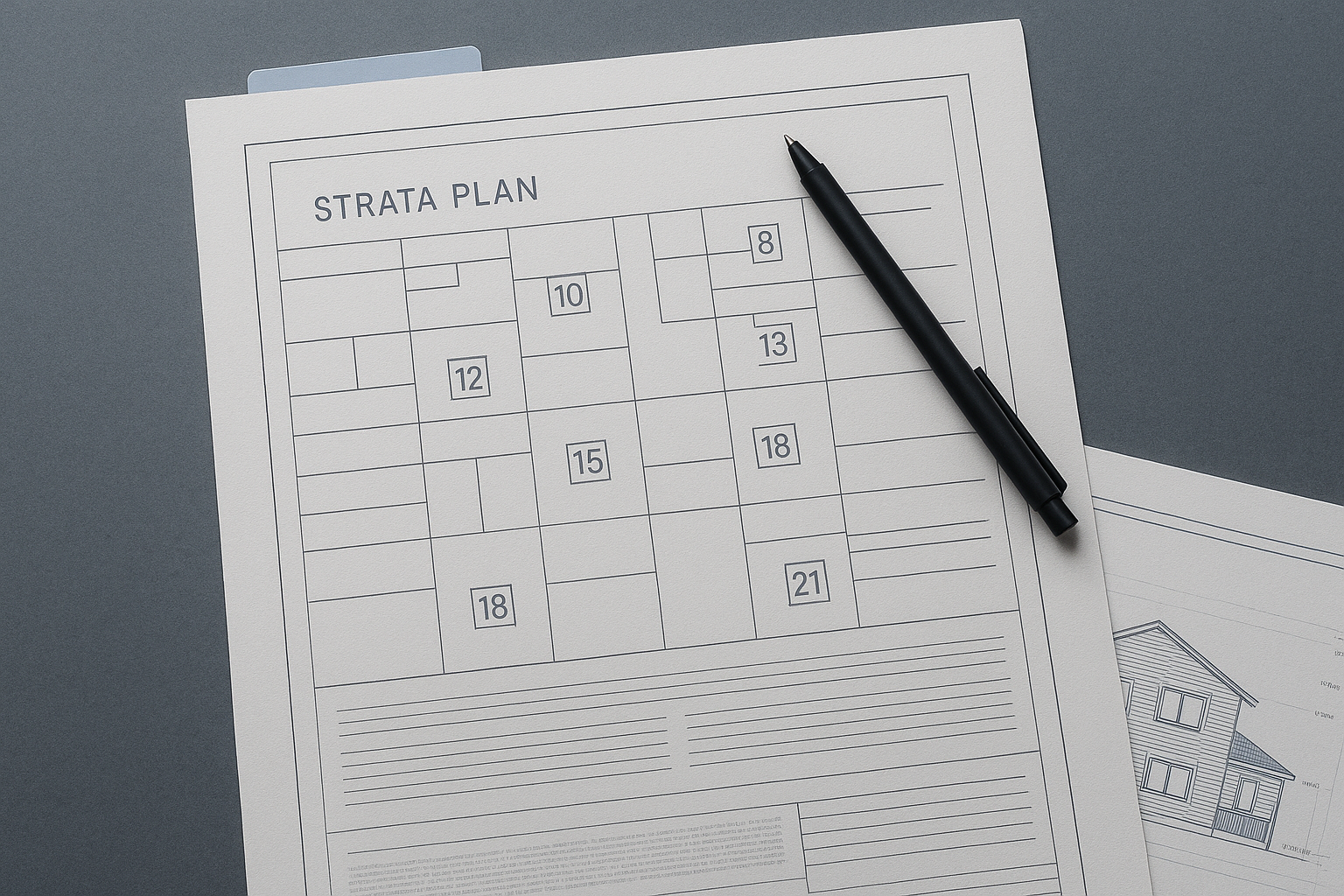
A BC strata building is formally identified by its strata plan number, not just its street address. The strata plan (like “LMS1234” or “EPS5678”) is registered at the Land Title Office and appears on legal documents, the Form B, and BC Assessment. When searching public records, always confirm the strata plan number matches the property you’re researching—especially in cities like Vancouver or Surrey where multiple buildings may share addresses or similar names.
The strata plan tells you:
- The registered address and legal description
- The total number of strata lots (residential and, sometimes, commercial)
- The filing date (a strong clue to construction era) Pairing this with the street address lets you cross-check details across BC Assessment, strata minutes, and the city’s open data portals.
What Construction Era Tells You in BC Strata
The construction year—or, more reliably, the strata plan registration date—signals what building envelope technology and risks you might face. Buildings completed between the late 1980s and early 2000s in Richmond, Burnaby, and other Lower Mainland areas often fall into the “leaky condo” era, where stucco-clad wood-frame low-rises are especially vulnerable to water ingress.
By contrast, a post-2000 build typically uses rainscreened walls (a moisture-managed assembly now standard across BC), while older concrete towers from the 1970s and 80s may show their age in other ways. Always consider the construction date’s implications for ongoing maintenance and insurance costs—even before you see any depreciation report or engineering assessment.
How to Tell Concrete From Wood-Frame in Public Records
Building material matters: concrete construction is standard in high-rise strata towers, while low-rise buildings (three or four storeys) are usually wood-frame. The BC Assessment database describes each residential building’s structure type (“concrete,” “wood,” or “mixed”), and municipal open data sets (like those from Victoria or Coquitlam) often list storeys and construction class.
Clues to look for:
- Concrete: typically 8+ storeys, elevator service, higher insurance replacement value
- Wood-frame: 3–4 storeys, walk-up or partial elevator, lower assessed value per square foot
- Mixed: sometimes podium/townhouse components below a tower Always check the reported number of units and floors to confirm the building type—public records can occasionally mislabel mid-rise concrete or hybrid sites.
Finding Unit Counts, Storeys, and the Strata’s Identity
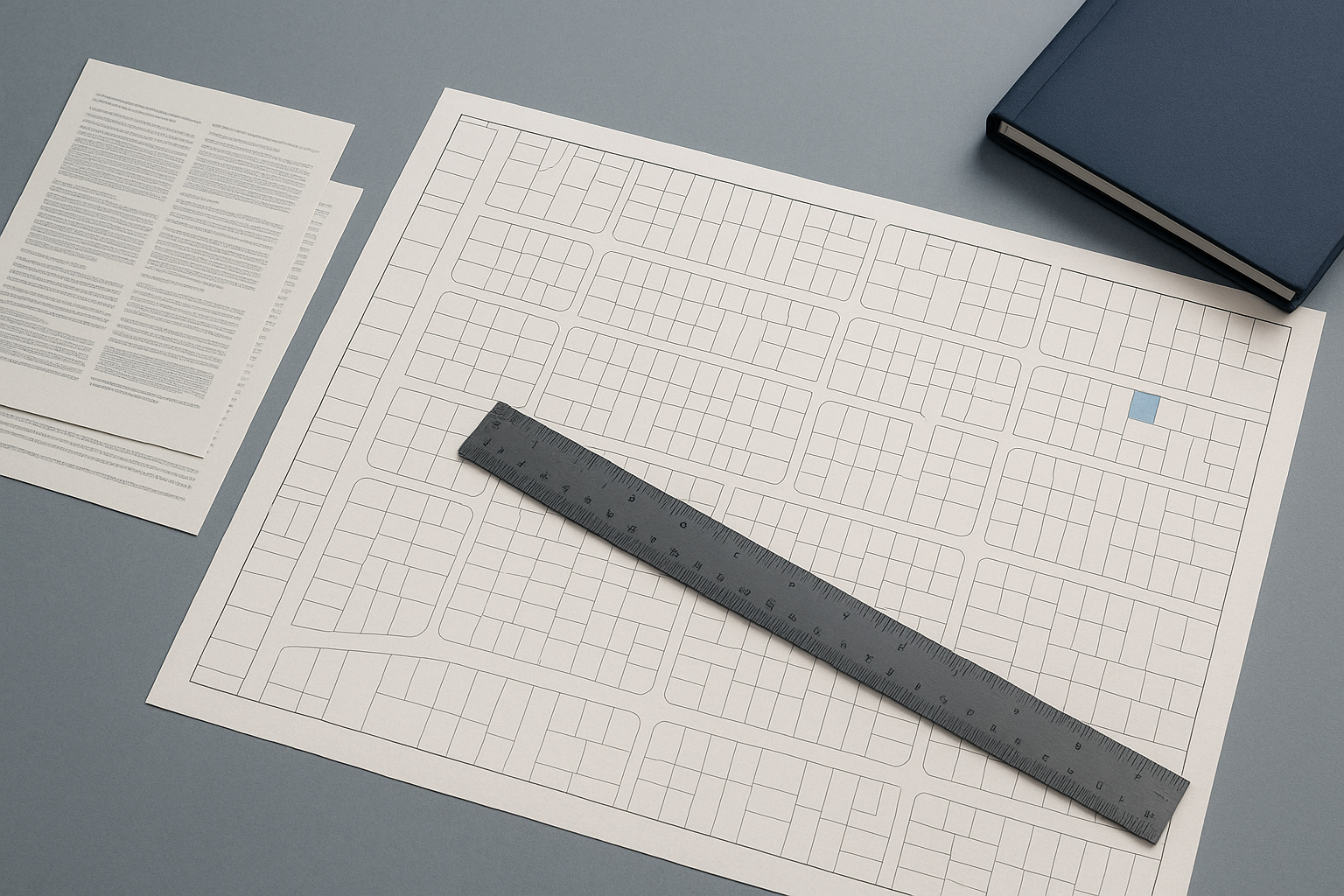
The public record can tell you the total number of strata lots (units) and floors. The strata plan filed at the Land Title Office lists all legally created units, while BC Assessment typically breaks down the residential and commercial count for each civic address. This is especially important in large complexes in New Westminster or Surrey, where several adjoining buildings may share amenities but have distinct strata corporations.
Municipal open data sets and building permits databases often provide:
- Storey counts (helpful for accessibility and viewlines)
- Development permit history (showing phased construction)
- Legal lot boundaries and parcel maps Matching this data to the strata plan ensures buyers know whether they are looking at a 30-unit walk-up or a 250-unit high-rise.
What Public Sources Reveal About Building Management and Remediation
You can often identify a strata’s current management company, and some major remediation work, from public sources—before reviewing strata minutes or the Form B. The BC Online corporate search tool, city building permit records, and the strata plan itself sometimes name the current or past management firm.
For remediation history, look for:
- City permit records for building envelope, roof, or plumbing replacements
- BC Assessment value jumps following major work
- News articles or city council minutes mentioning envelope remediation
- Land Title Office filings (such as amendments to strata plan for significant upgrades) While only the strata documents confirm the scope, these signals alert buyers in BC to “red flag” buildings or those that have already been fully rainscreened. For a deeper dive, see How to Read a BC Strata Building’s Public Identity: Construction, Era, and Remediation Clues.
Why These Building Basics Matter Before You Review the Strata Documents
Understanding the building’s public record profile helps buyers narrow their focus and ask better questions once the documents arrive. Knowing the construction era, materials, and any visible remediation highlights risk factors—like leaky-condo-era wood-frames in Vancouver or recent rainscreened low-rises in Coquitlam.
It also helps your Realtor or mortgage broker zero in on insurance challenges, likely maintenance costs, and whether you should allocate extra time for document review before subject removal. For those wanting a simple way to look up these basics, SearchStrata lets you check any BC strata building—free, no account needed—so you can compare structures before digging into the minutes and financials.
Frequently Asked Questions
How do I find out what a BC strata building is made of?
BC Assessment, municipal open data, and sometimes the strata plan indicate whether a building is concrete, wood-frame, or mixed construction. You can also verify by the storey count and the building’s era.
What does the strata plan number tell me about a building?
The strata plan number identifies the legal entity, its lot boundaries, the number of units, and the date registered. It’s critical for matching the property across public records and the Land Title Office.
How can I check if a building has been rainscreened?
City building permit records, news articles, and large jumps in BC Assessment values can signal major envelope remediation, but only the strata documents confirm the full work done. Consider following up with the management company or a real estate professional.
Can I tell how many units are in a strata before seeing the documents?
Yes, both the strata plan and BC Assessment records show the unit count, and many city open data sites list total residential and commercial units as well.
Where do I find who manages a BC strata building?
The management company is often listed in strata plan filings, corporate searches, or city records. The current manager’s name and contact appear on the Form B, but some public sources show historic managers or permit applicants.
Conclusion
Piecing together a BC strata building’s age, construction type, unit count, and visible remediation from public records helps buyers and realtors make smarter choices—well before reviewing the full strata documents. Use strata plan numbers, BC Assessment, municipal open data, and city permit records to get a clear picture of what you’re buying into. And when you’re ready to compare buildings across BC, SearchStrata offers free building look-up, so you can start your research with confidence.