Quick Answer
BC strata councils must communicate openly with owners—sharing meeting minutes, budgets, and important decisions—while strictly protecting confidential information about individual owners, legal matters, or personnel. The key is to follow the Strata Property Act, provide regular, factual updates, and never disclose sensitive or personal data in public communications. When in doubt, consult a qualified strata lawyer or property management professional.
What Should Be Shared With Owners—And When?
Strata councils are required to share certain documents and decisions with all owners, typically through meeting minutes, annual budgets, and official notices. Timely disclosure of these materials builds trust and keeps owners informed.
Owners have a right to access a wide range of records—such as minutes, financial statements, and bylaws—usually upon request and sometimes for a reasonable fee. Councils should be proactive by distributing key updates after each meeting and before major events like AGMs or special levies.
However, not every discussion or document is for general circulation. Legal advice, personal complaints, and disciplinary matters must remain confidential (see below), even if owners are curious or persistent in their requests.
For more guidance on running meetings and distributing minutes, review the post on Orderly Minutes, Orderly Strata: Council Strategies for Reliable Meeting Records.
How Do You Keep Owner Communications Transparent Without Oversharing?
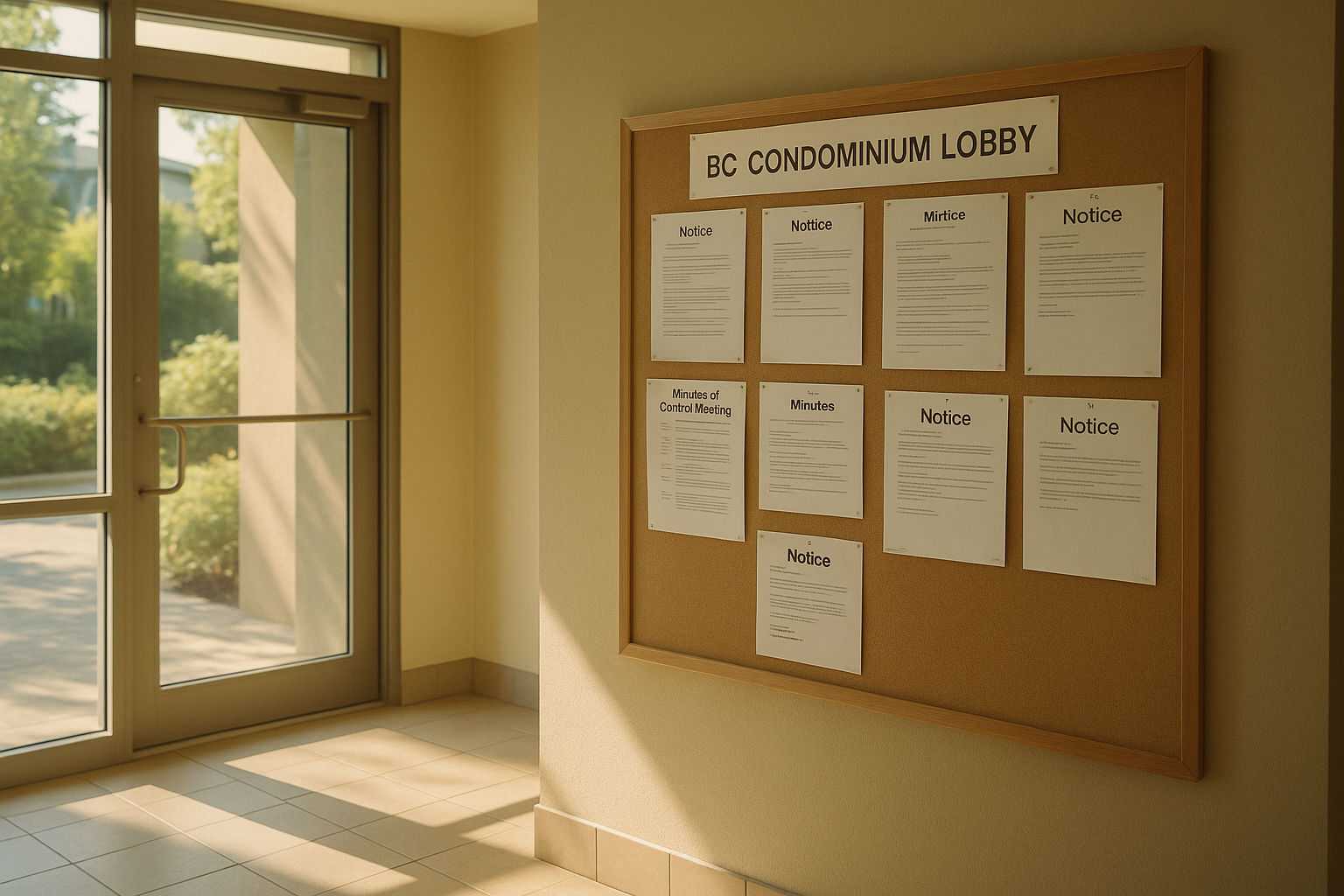
Transparency in council communications means providing owners with clear, factual summaries of decisions, financials, and upcoming projects—without sharing confidential or sensitive data. Regular, concise owner updates via email, newsletter, or a lobby noticeboard help everyone stay informed.
Confidential details—such as the names of complainants or respondents in bylaw matters, legal strategies, or personnel issues—should never appear in open minutes or owner updates. When a topic must be discussed in-camera (privately), document only that the council resolved to discuss a confidential item, not the details themselves.
If you are unsure about a topic’s sensitivity, seek input from your property manager or legal advisor before circulating information. Use owner Q&A sessions at AGMs or informal town halls to encourage dialogue while keeping sensitive subjects appropriately private.
How Should Councils Handle Requests for Information?
Owner requests for records—such as copies of minutes or contracts—are common and must generally be honored under the Strata Property Act, with some exceptions for confidential or privileged materials. The Act lists the records the strata has to keep, and it requires all of them to be made available on request — including legal opinions and the list of owners.
Respond promptly and in writing to each request, providing what is permitted and briefly stating why any withheld material is confidential. Document your response and retain copies for council records. Using a tool or checklist can help ensure consistency and defensibility across requests.
For a more detailed process, see Responding to Owner Records Requests: A Council Member’s Guide to Defensible Process.
What Information Must Remain Confidential Under BC Law?
BC law and best practice require council members to protect information related to owner privacy, legal advice, personnel, and ongoing investigations. Disclosing the contents of a bylaw complaint, a lawyer’s letter, or personal data—even inadvertently—could expose the strata to legal risk.
Confidential items should be kept to council-only (and sometimes management) discussion, either in closed meeting sessions or in secure, access-restricted records. Never include confidential details in public minutes or general owner correspondence.
Council members must also avoid casual conversations about sensitive strata matters in public spaces—even well-intentioned transparency can cross the line. If a council member is unsure whether something is confidential, err on the side of caution and seek qualified advice.
How Can Councils Balance Openness and Privacy as a Team?
A defensible communication approach means council members agree on what gets shared, when, and how. Set clear expectations at the start of each council term—ideally accompanied by a short confidentiality policy or refresher with your property manager.
Regular council-only check-ins after meetings can help ensure everyone is up to speed on what should (and shouldn’t) be discussed with owners. Consistency across all communication channels—email, bulletin boards, and meetings—reduces confusion and risk.
Using digital tools like SearchStrata to centralize and organize council documents can also help maintain proper access controls and institutional memory, especially when new council members join or term turnover is high in busy cities like Vancouver or Surrey.
Frequently Asked Questions
What are common mistakes BC strata councils make with owner communications?
Common mistakes include sharing too much detail about bylaw complaints, disclosing personal information in minutes, or failing to send timely updates. Councils should avoid commentary or speculation in communications and stick to factual, required disclosures.
Are council email discussions confidential?
Yes, council email discussions about confidential matters should be treated as private and not shared with owners. Records of these discussions may be subject to access requests, so handle all written communications with care.
Can owners demand to see all council communications?
No, owners have the right to see the official strata records the Act lists—and that list includes things you might assume were private, such as legal opinions the strata has obtained and correspondence sent or received by the strata and council. Councils must know which records are accessible and which are not.
Should council members answer owner questions directly or refer to management?
Council members should answer general questions when appropriate, but refer legal, financial, or sensitive questions to the property manager or respond as a council for consistency and accuracy.
How often should councils update owners on strata matters?
There’s no legal minimum frequency, but best practice is to send owner updates after each meeting and before significant projects or decisions. More frequent communication can build trust and reduce confusion.
Conclusion
BC strata council members and property managers serve owners best when they provide clear, timely, and factual updates—while strictly protecting confidential information. Setting clear internal policies for what can be shared, and using defensible processes to manage owner requests and meeting records, helps councils avoid both legal exposure and owner frustration. Tools like SearchStrata can help councils organize documents and streamline communication, supporting a healthy balance between openness and privacy.